Identifying Yugoslavian garments: A joint enterprise
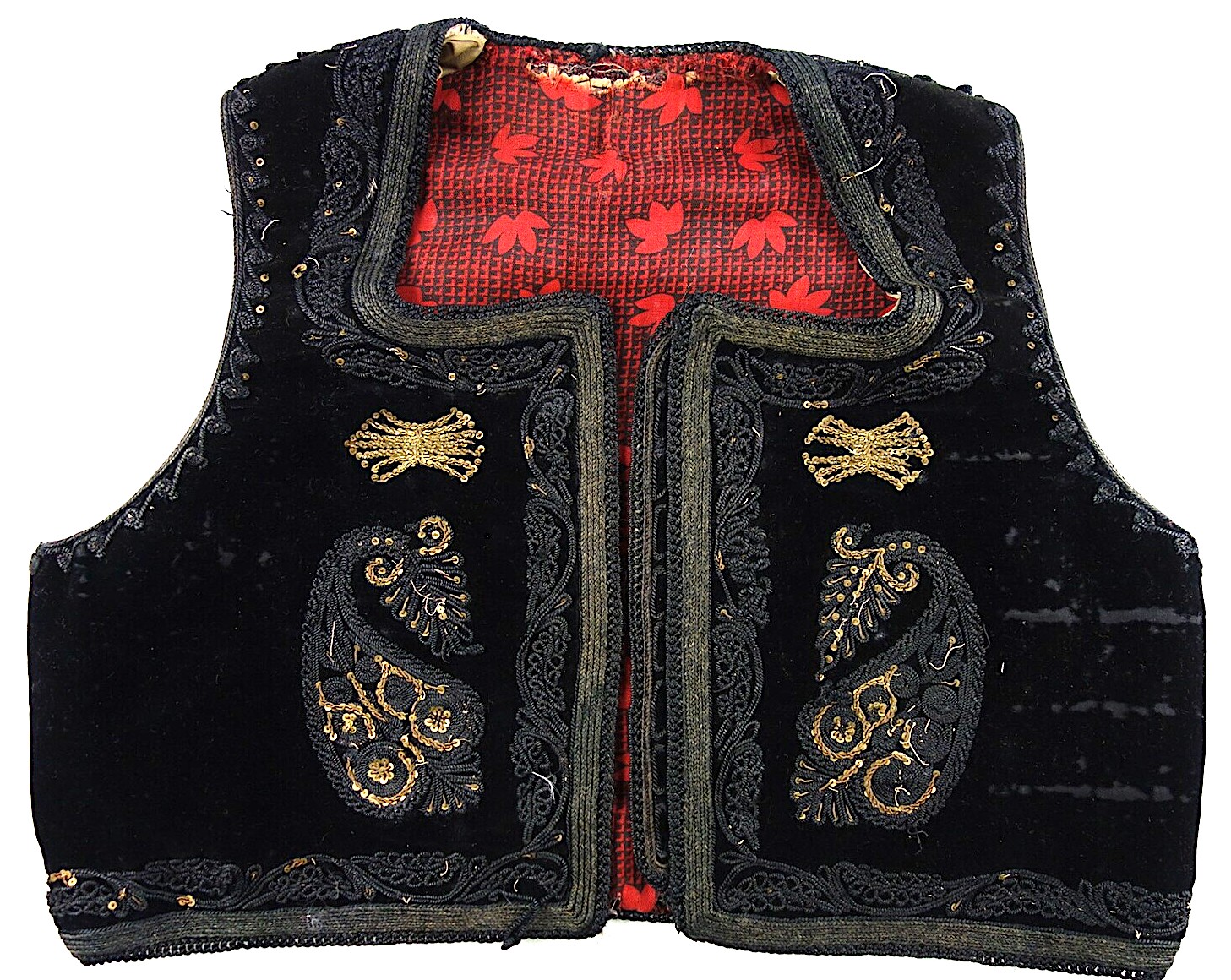 Fig. 1. Serbian woman's waistcoat from the late 19th or early 20th century (TRC 2010.0065).At the end of March, I wrote a blog about a collection of garments from former Yugoslavia, donated by Annelies van Eijk-Kuiper and collected by her sister Jet Kuiper in the 1970s. In that blog, I explained my initial findings trying to determine the provenance of the items.
Cultural institutions, such as the TRC, often face the expectation to be experts in everything we own. One of our strengths, however, is the diversity of our collection, and Dr. Vogelsang-Eastwood has taught us that the term "expert" implies that we know everything about a topic, which is of course as unrealistic as it sounds. We certainly don't know everything, far from it!