(by Minsook Kang, 14 October 2026) When preparing a mini exhibition at the TRC (click here), the author brought together a selection of sarongs from the island of Buton in Indonesia in order to explore the garment as a form of embodied and transmitted knowledge. This blog introduces the exhibition and provides deeper context concerning Buton sarong traditions - tracing how patterns, motifs, weaving practices, and memories are transmitted across generations through speech, observation, and the hands. Rooted in a strong oral tradition, the sarong emerges as a living textile language, shaped by everyday life, nature, and generations of makers.
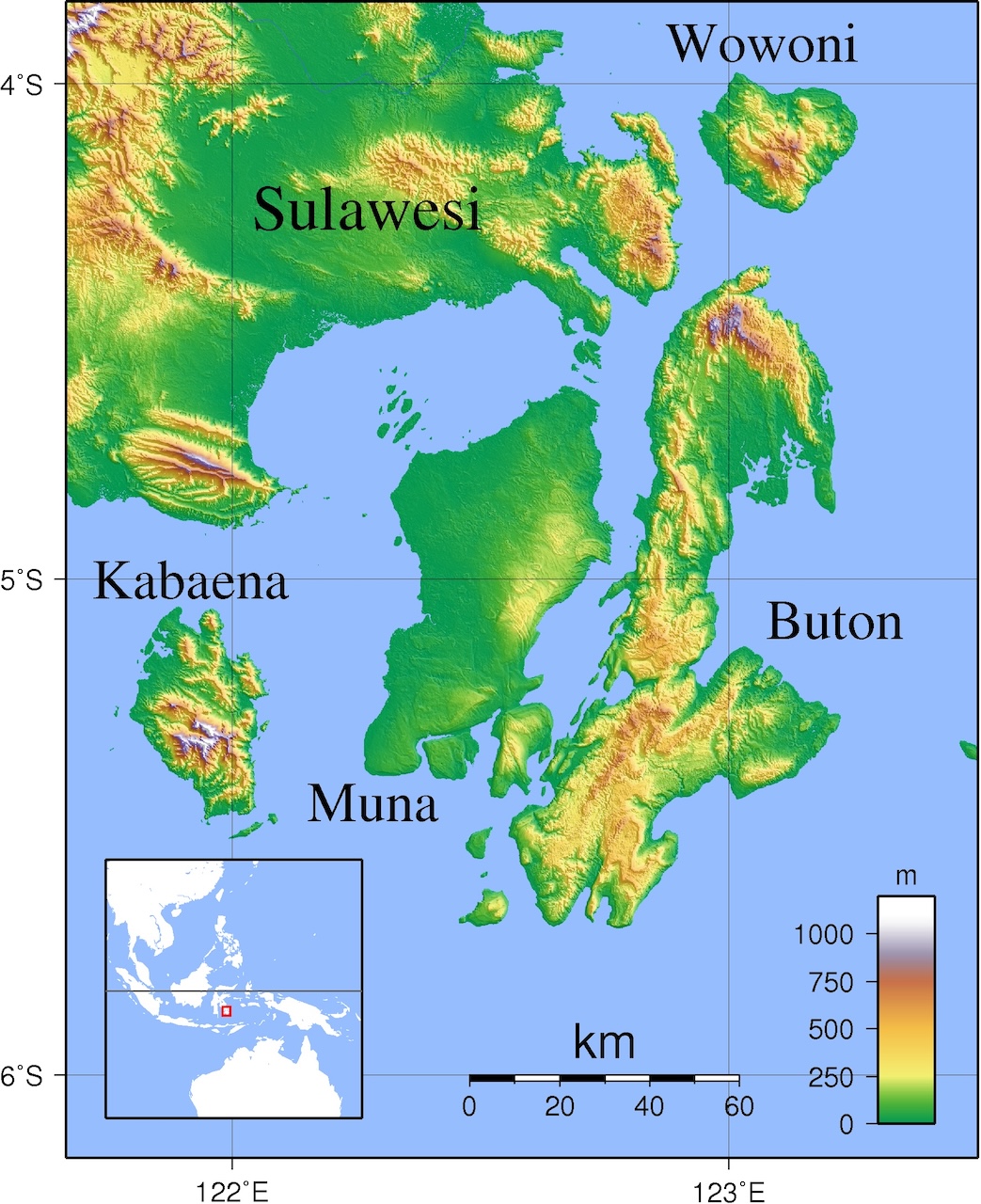 Fig. 1. Map of Buton Island, Sulawesi, Indonesia.Minsook Kang is a visual artist and researcher currently studying Textile and Text (TXT) at the Gerrit Rietveld Academie in Amsterdam and working as an intern at the Textile Research Centre (TRC). Her practice explores stories, memory, and embodied knowledge through forms of care, attention, and material engagement, working across textiles, moving image, installation, and publication.
Buton sarongs and the “Language of Hands”
This mini exhibition showcases Indonesian TRC textiles and links them with a project called Native Tongue, bringing together the oral language of the Cia-Cia indigenous community in Baubau, on Buton Island in Southeast Sulawesi, Indonesia and the textile traditions of the Buton region.
Native Tongue began with the story of the Cia-Cia language and the adoption of Hangul, the Korean alphabet, as a writing system in 2009, in an effort to support the preservation of a predominantly oral language. When I first encountered this story, I was interested in the relationship between oral language, writing, and cultural preservation. However, after visiting Buton Island, I began to realise that the narratives I had encountered from outside the region could not fully describe the complexity of its linguistic and social realities.


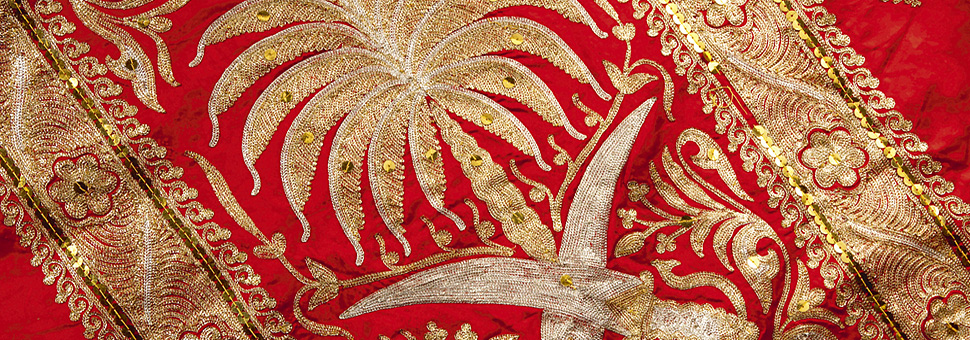
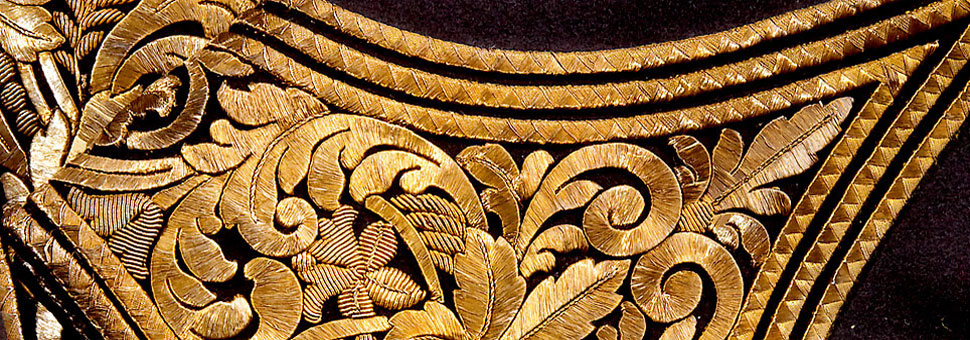

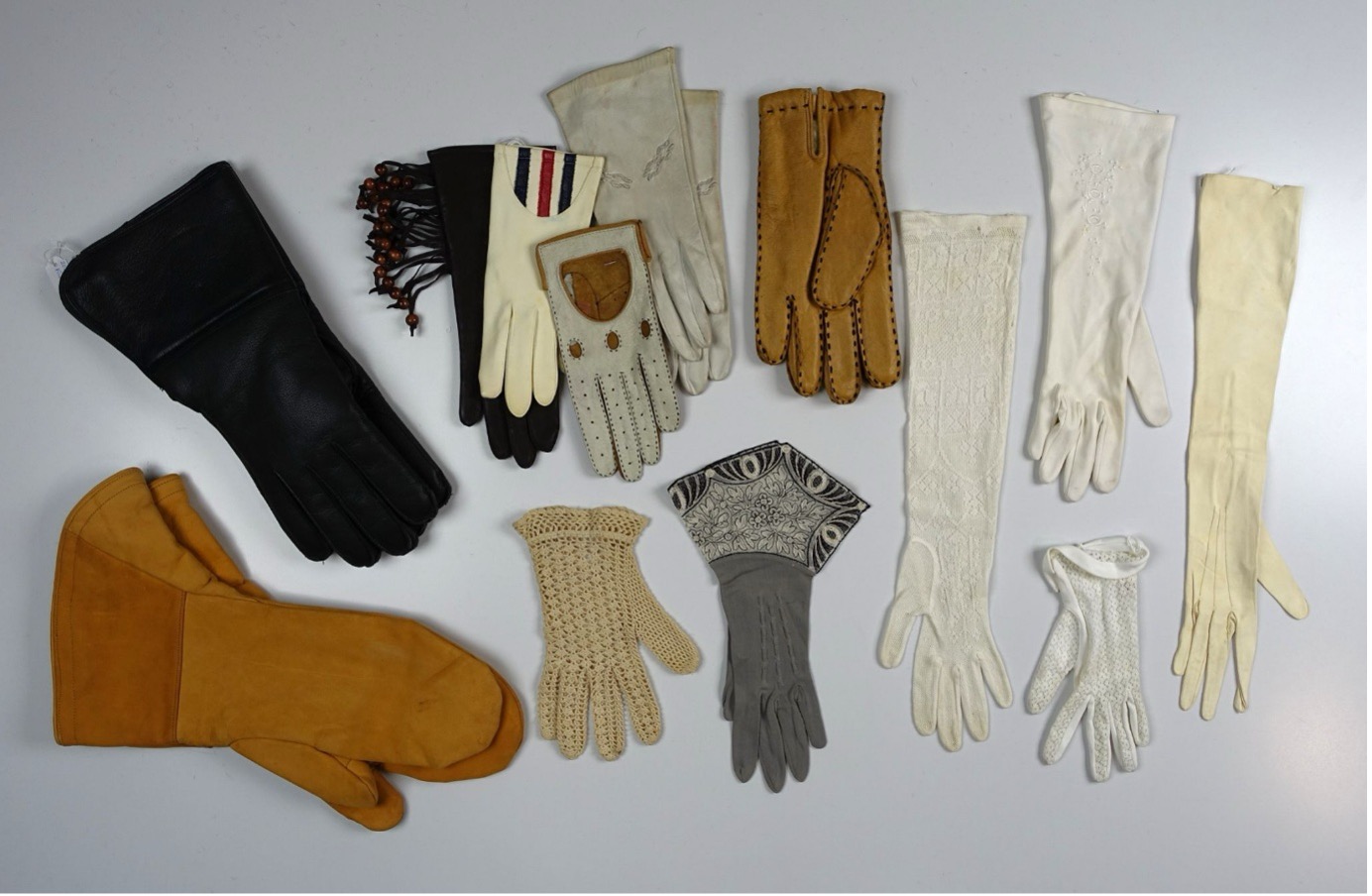 Fig 1: Assortment of gloves in the TRC collection showing the wide variety in material, shape, and decoration.
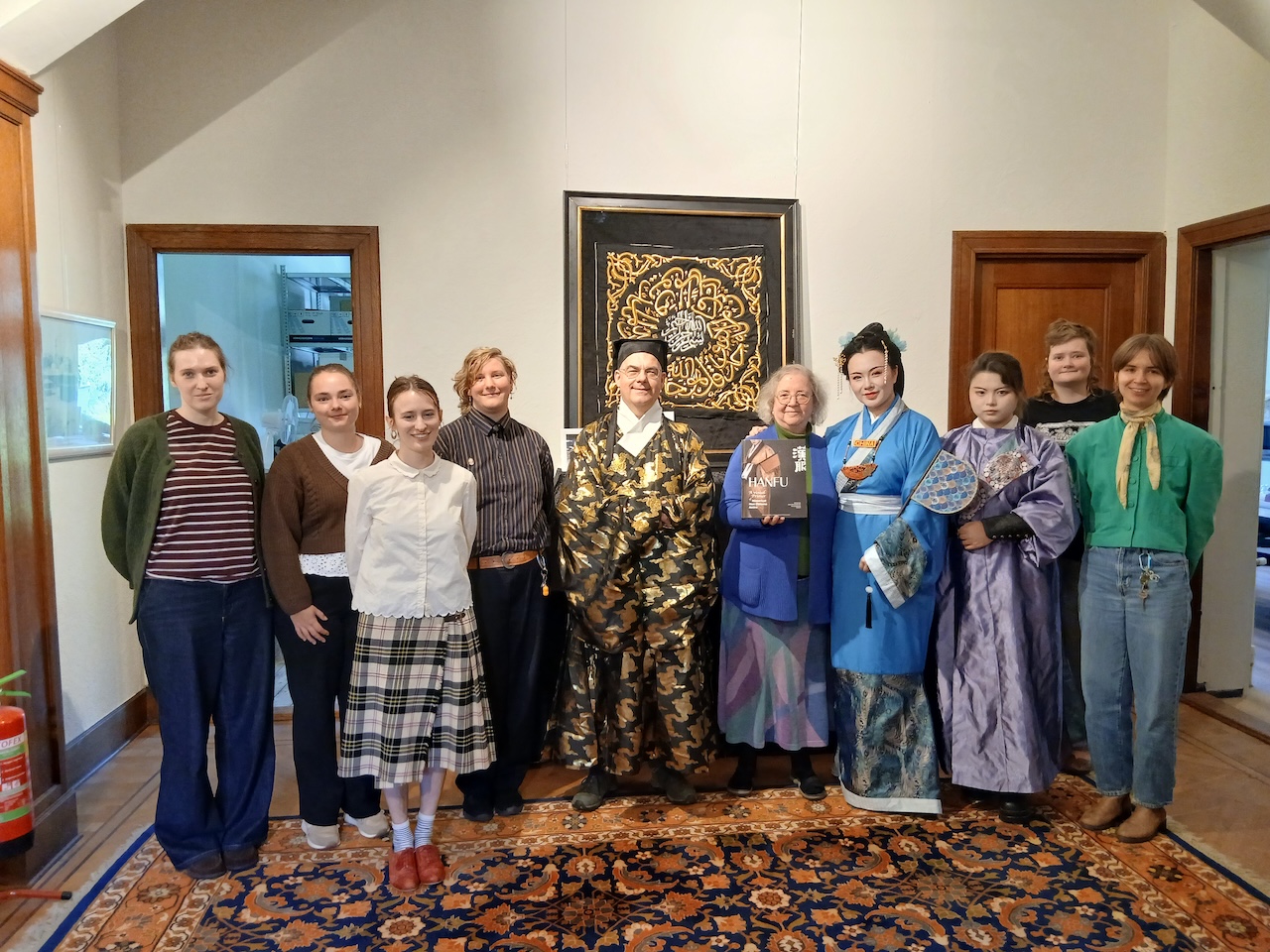
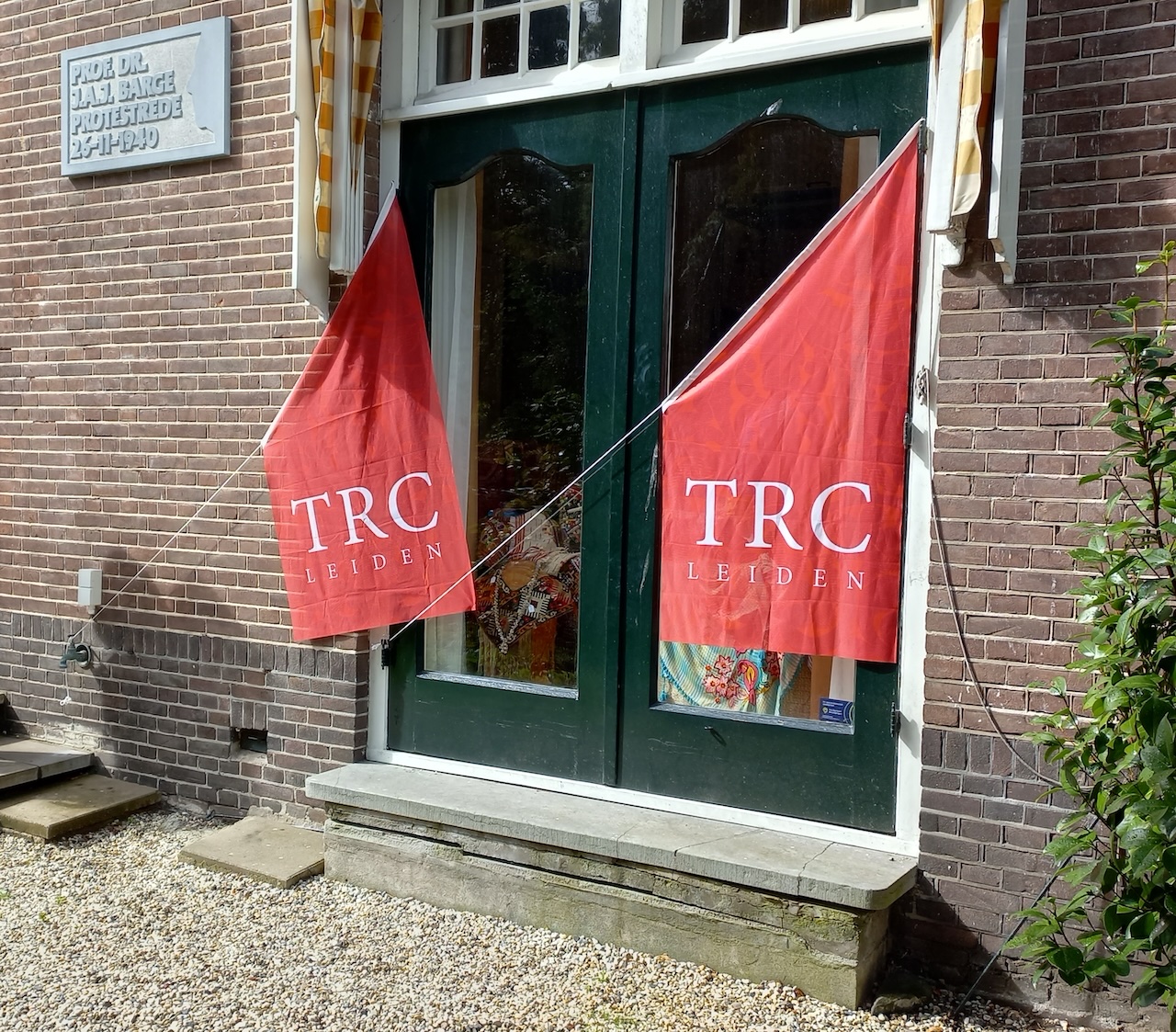 We have just had the second Open Monumenten Dagen (OMD) day (Sunday, 13 September), which was from 10.00 until 17.00 and we are all very, very tired! I am glad that the OMD is only once a year, but it is well worth it for getting people interested in what the TRC is doing and why.