• F2
  • F1
  • F3
  • F4

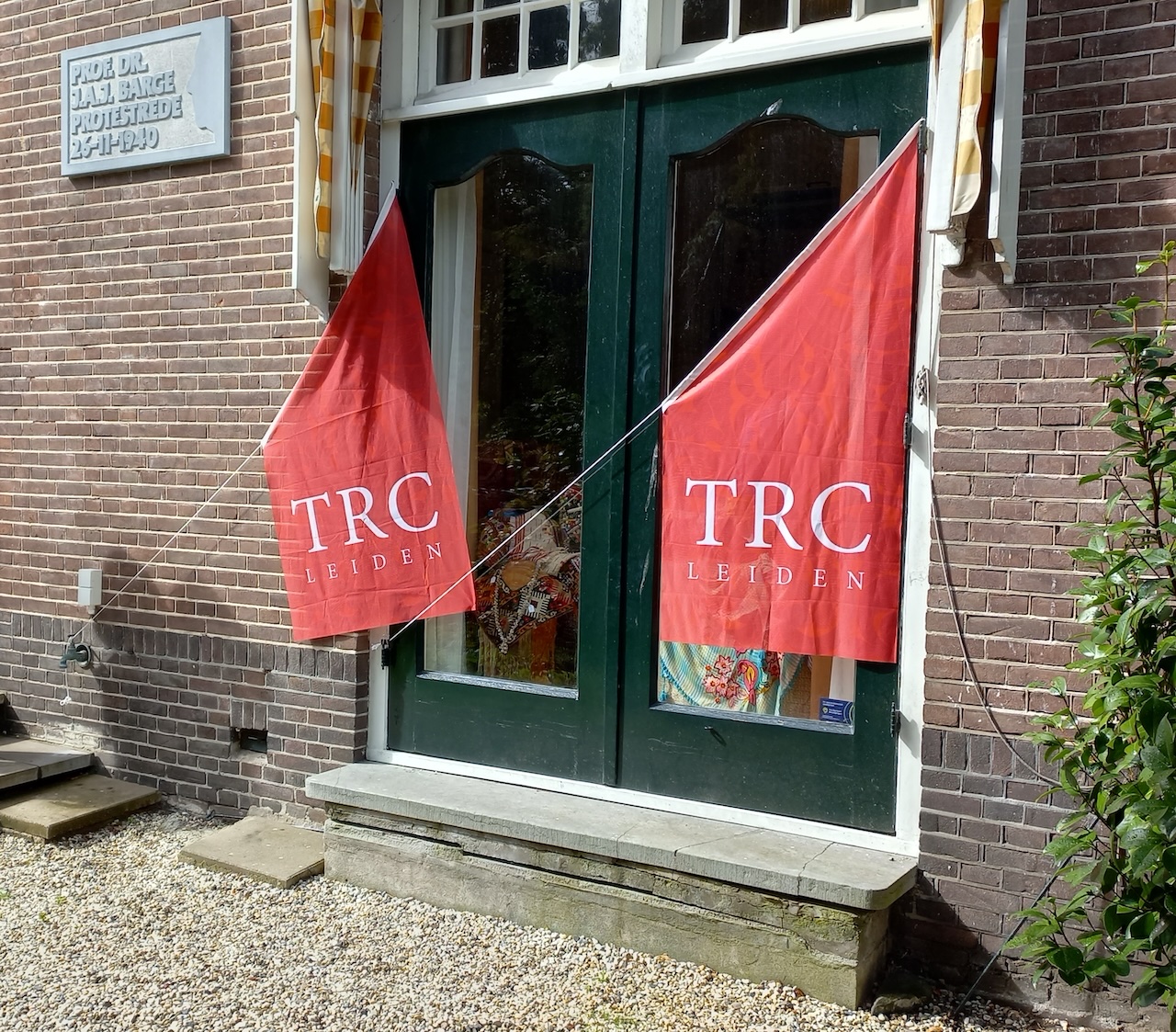
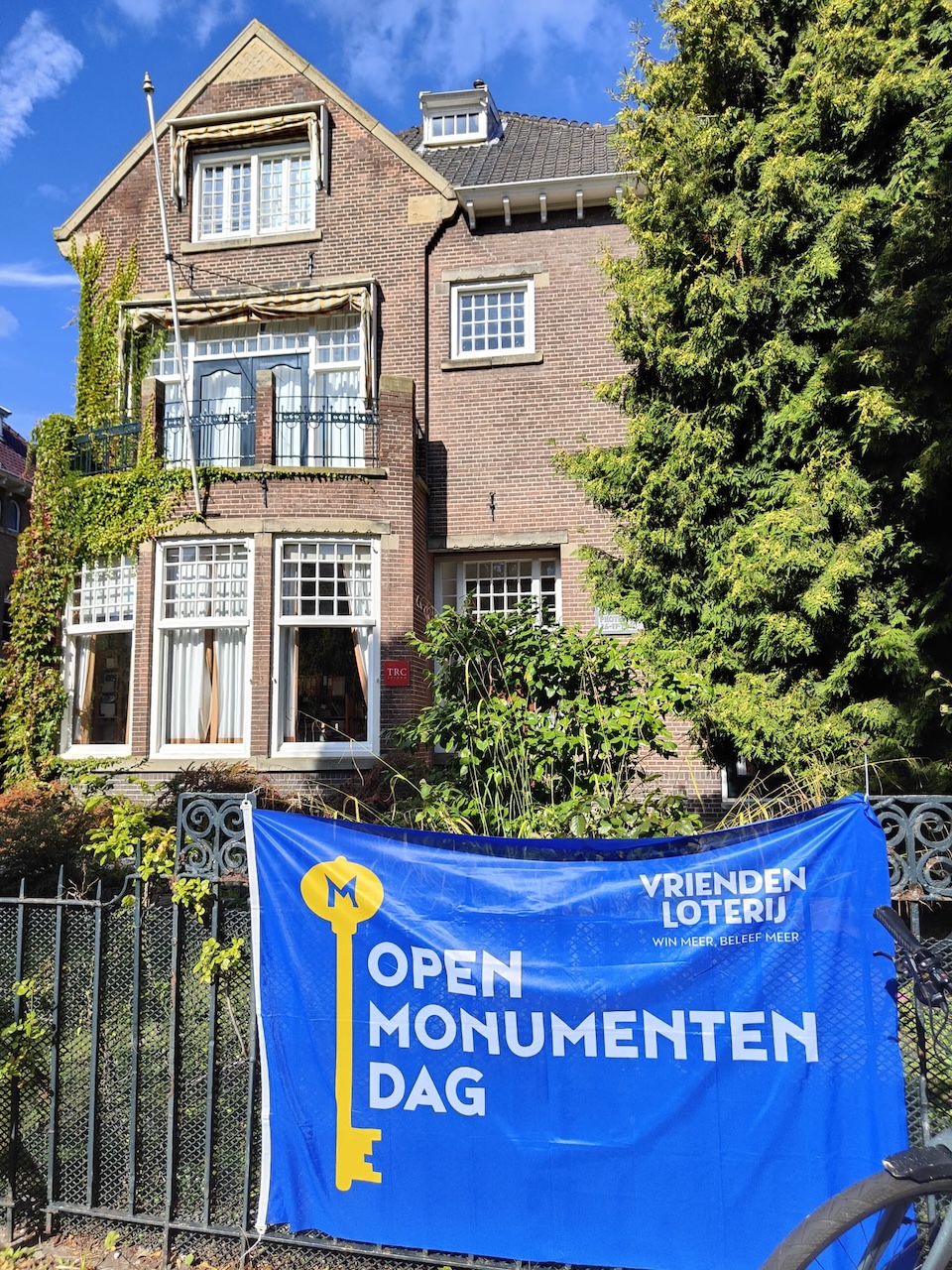
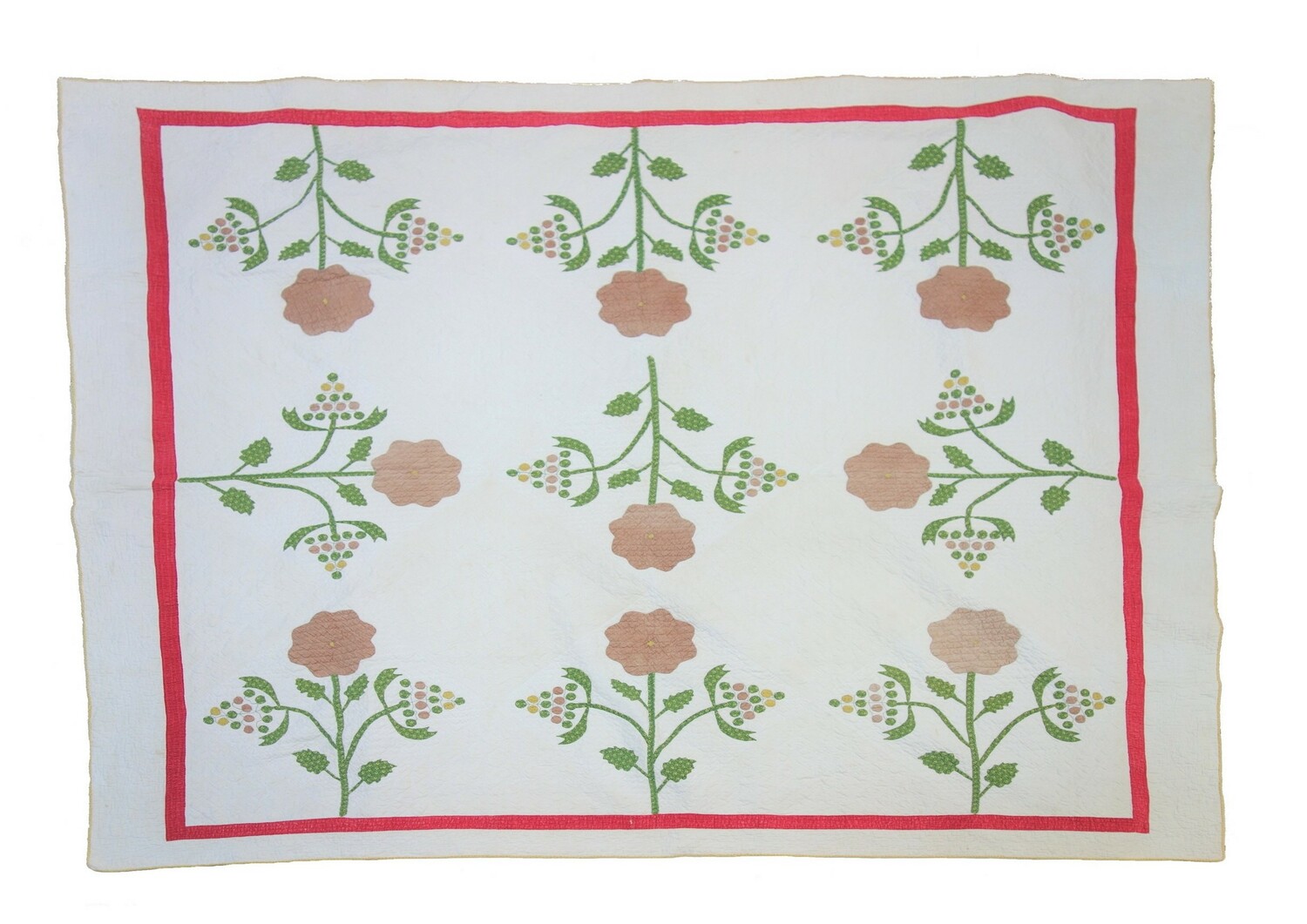
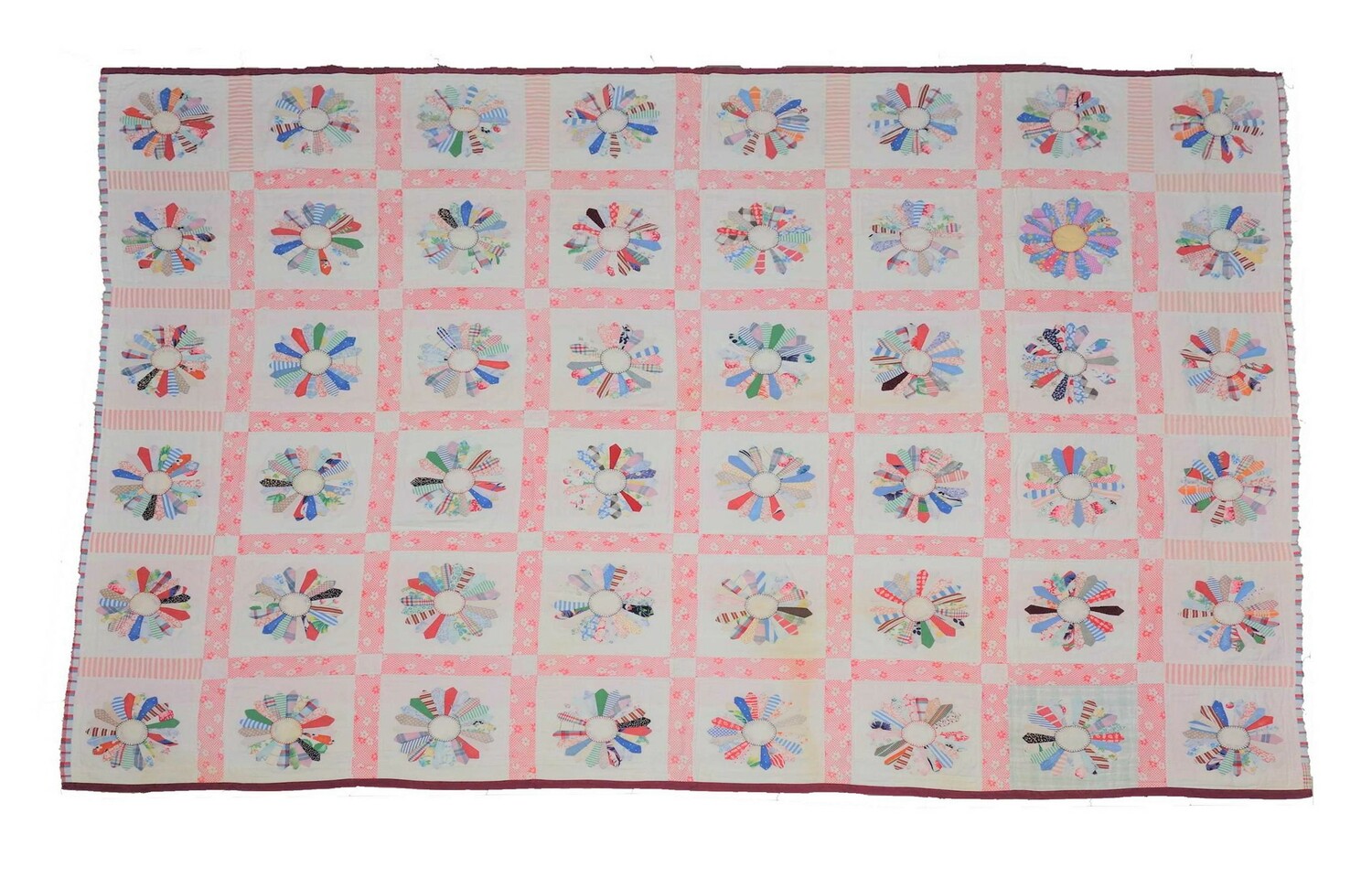
Although we will not officially reopen the TRC to the public until Monday, the 4h May, we are already welcoming individuals and groups visitors at our new premises at Boerhaavelaan 6, as well as starting a busy programme of workshops, study days and lectures. And of course there was the recent book presentation with the Mayor of Leiden. 

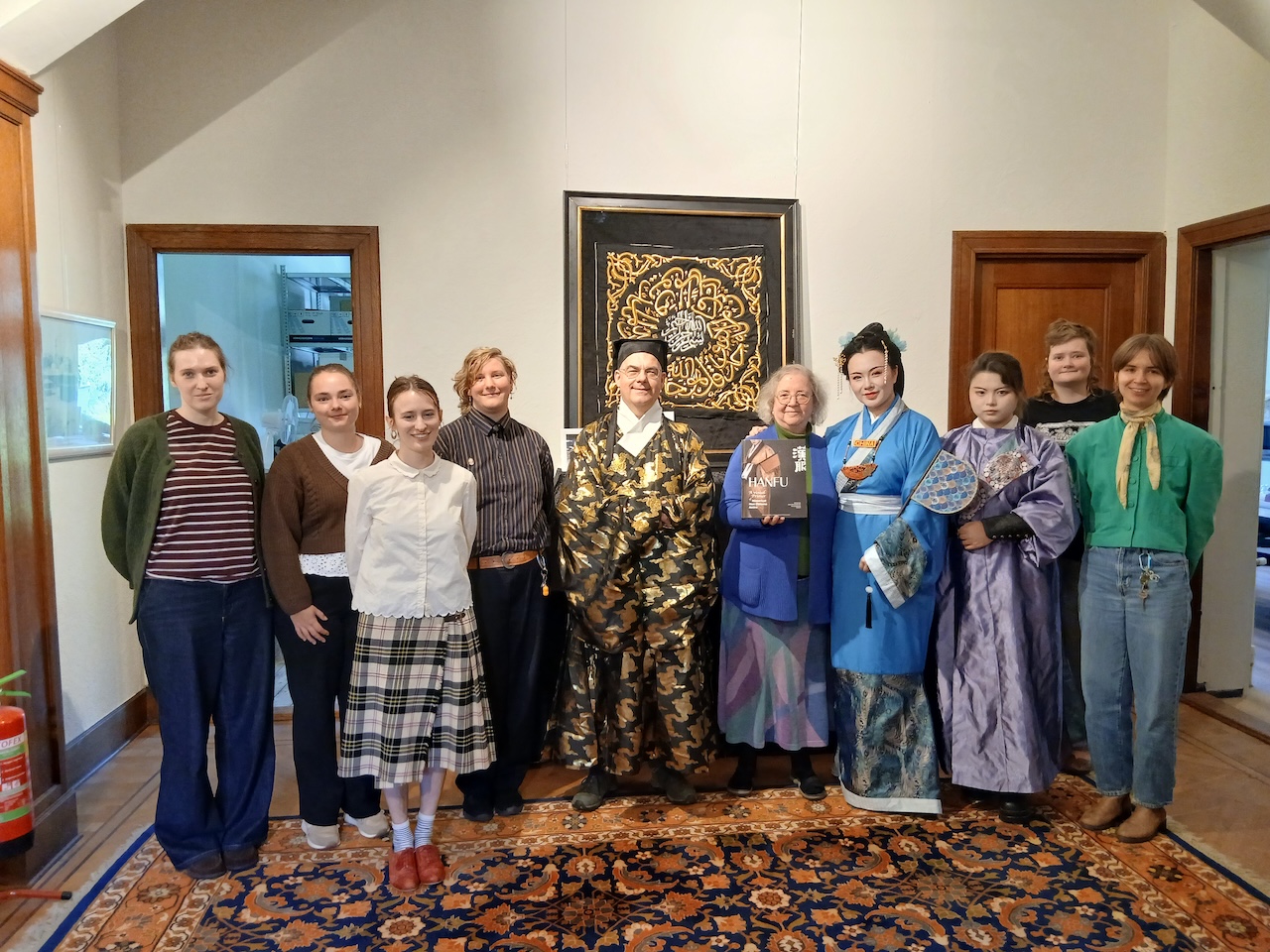
Taiwanese delegation visiting the TRC, with Gillian Vogelsang in their midst. They are standing in the garden of Boerhaavelaan 6. In the background is the garden pavilion. Taiwanese delegation visiting the TRC, with Gillian Vogelsang in their midst. They are standing in the garden of Boerhaavelaan 6. In the background is the garden pavilion.

It has been quite a week, as we were preparing the TRC’s new home on the Boerhaavelaan for a ‘soft opening’ last Thursday (26th March 2026). It took the form of a book presentation with a guest-of-honour, namely Peter Heijkoop, the Mayor of Leiden. The book in question is the Atlas van de Borduurkunst. Een wereldreis langs erfgoed en stijlen (WBooks, 2026), which is the Dutch version of the Atlas of World Embroidery. A global exploration of heritage and styles (Princeton University Press, 2026). The author is Dr Gillian Vogelsang-Eastwood, Director of the TRC.

The Mayor, Peter Heijkoop, receives a copy of the Atlas from the author. Copyright Joost Kolkman.The Mayor, Peter Heijkoop, receives a copy of the Atlas from the author. Copyright Joost Kolkman. 


Fig. 1. Hand embroidery by Maqadeer, a young student at YENOF’s schooling programme. Her work is based on a head covering illustrated in Fig.4.Fig. 1. Hand embroidery by Maqadeer, a young student at YENOF’s schooling programme. Her work is based on a head covering illustrated in Fig.4.

Over the past few months, a project dedicated to preserving Yemen’s embroidery heritage has been underway. The initiative, a collaboration between YENOF (Yemen Noor Foundation), IL- CI (Improving Lives through Cultural Initiatives) and the ALIPH Foundation, has brought together twenty-five women, each studying twenty-five traditional dresses from different regions of the country.

A new TRC donation: white cotton nanduti lace dolly, c. 2010, Paraguay. Photo: Shelley Anderson.A new TRC donation: white cotton nanduti lace dolly, c. 2010, Paraguay. Photo: Shelley Anderson.The TRC has two recent donations of a very special type of lace from the South American country of Paraguay. This lace has its own National Nanduti Day, celebrated on the second Sunday in October. On that day the city of Itaugua, considered the home of nanduti lace, organises a festival whereby women wear traditional blouses and skirts decorated with nanduti lace.

Nanduti means “spider web” in Paraguay’s indigenous language, Guarani. There are many folktales about nanduti’s origins. These usually involve a young woman who discovers her dead lover’s body, covered in a shimmering cloth. Looking more closely, she realises the cloth is actually made of spider webs, and she vows to make him an equally beautiful shroud.

Less poetically, it’s believed that 17th-century Spanish colonisers brought the technique of lace making to Paraguay, where the indigenous population made it their own. Jesuit missionaries, who prized lace for their ecclesiastical textiles, are believed to have spread lace making via their missions. Indeed, one of the earliest references to indigenous Paraguayan women’s skill in needlework is from a 1610 Jesuit document, which mentions decorated towels.

Technically, nanduti lace is related to Tenerife lace (sometimes spelled Teneriffe, and known as Sol lace, or Roseta Canario or Calado Canario), which originated in the Canary Islands. It is a type of needle lace known for its round, medallion-shaped motifs, comparable to nanduti lace forms. The TRC has several examples in its collecion, including a stunning, late 19th-century lace collar (see below; TRC 2020.0462).

Four blue and white nanduti lace coasters, cotton, 2025, Paraguay. Photo: Shelley Anderson.Four blue and white nanduti lace coasters, cotton, 2025, Paraguay. Photo: Shelley Anderson.

A recent controversy shows once again the deep link between dress and identity. Some weeks ago the President of Ghana, John Dramani Mahama, paid a state visit to Zambia (Fig. 1). He was warmly greeted at the airport by Zambia's President Hakainde Hichilema, who was wearing a Western business suit.

President Mahama was wearing a traditional Ghanaian tunic called a fugu. According to a BBC report, some Zambians began mocking the garment on social media, calling it a “blouse”, and wondering why a head of state would wear such a garment on a formal occasion.

Fig. 1. President of Ghana, John Dramani Mahama, wearing a fugu when arriving in Zambia for a state visit, photographed together with his wife. Courtesy The Office of the Presidency, Republic of Ghana.Fig. 1. President of Ghana, John Dramani Mahama, wearing a fugu when arriving in Zambia for a state visit, photographed together with his wife. Courtesy The Office of the Presidency, Republic of Ghana.

Fig. 1. Boerhaavelaan 6, Leiden, the new home of the TRC.Fig. 1. Boerhaavelaan 6, Leiden, the new home of the TRC.A feature of the TRC’s new home at the Boerhaavelaan 6 (Fig. 1) is a form of batten work (called betengeling in Dutch), namely the use of a wooden framework that is covered with tensioned cloth and paper. These cloth-covered interior walls in B6 date to about 1909 when the house was built.

This technique has been used for hundreds of years to cover both timber and brick-built, internal walls and to protect expensive wall paper or other materials. This technique is also known in other parts of Europe and indeed the world.

Basically it consists of a frame of wooden slats or battens (de tengels in Dutch) which is fastened against the bare wall, which is then covered with linen or jute (the betengeling in Dutch). On top of this there comes a layer of wet paper, which when dried tensions the layer of luxurious wallpaper or cloth placed on top.

Big changes are hard. Whether it is moving to a new building or about thirty years of revolution and regime changes, change requires flexibility. One object from our collection knows all about change, the Leiden journeyman hat (Fig. 1; TRC 2010.0056a).

Fig. 1. Miniature bicorn hat in beaver (?) fur with a silk band, made for a journeyman's examination. Leiden, The Netherlands, 1796 (TRC 2010.0056).Fig. 1. Miniature bicorn hat in beaver (?) fur with a silk band, made for a journeyman's examination. Leiden, The Netherlands, 1796 (TRC 2010.0056).

This little hat, 30 cm in length, was made for the examination of apprentice hatmaker Hendrik Visser, member of the Leiden hatmaker’s guild. It is made of fur, probably beaver, with a silk band on one side. The small size of the hat proved that Hendrik Visser was a capable hatmaker and was therefore awarded the title of journeyman hatmaker. In 2010, the hat was professionally conserved after a public appeal to raise the required funds.

Search in the TRC website

Contact

Boerhaavelaan 6
2334 EN Leiden.
Tel. +31 (0)6 28830428  
office@trcleiden.org

facebook 2015 logo detail 

instagram vernieuwt uiterlijk en logo


Bank account number

NL39 INGB 0002 9823 59, in the name of the Stichting Textile Research Centre.

TRC closed until 4 May 2026

The TRC is closed to the public until Monday, 4 May 2026, due to our move to the Boerhaavelaan. The TRC remains in contact via the web, telephone and email. For direct contact and personal visits, please contact the TRC at office@trcleiden.org, or by mobile, 06-28830428.

Donations

The TRC is dependent on project support and individual donations. All of our work is being carried out by volunteers. To support the TRC activities, we therefore welcome your financial assistance: donations can be transferred to bank account number (IBAN) NL39 INGB 000 298 2359, in the name of the Stichting Textile Research Centre. BIC code is: INGBNL2A.

 You can also, very simply, if you have an iDEAL app, use the iDEAL button and fill in the amount of support you want to donate: 


Since the TRC is officially recognised as a non-profit making cultural institution (ANBI), donations are tax deductible for 125% for individuals, and 150% for commercial companies. For more information, click here