
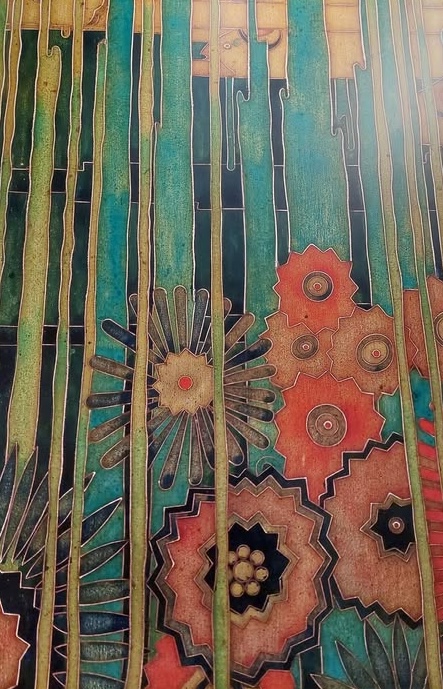
 Fig. 1. Copper and enamel Amsterdam School-style panel, by Marie Kuyken. Photograph: S. Anderson.A recent visit to the Museum Het Schip in Amsterdam sent me scurrying to the TRC ‘s on-line catalogue. Het Schip, in the Amsterdam-West neighbourhood, is a historic, architectural gem in glowing red brickwork. Designed in 1919 by Michel de Klerk, this social housing complex included 102 flats, a post office and a school—made expressly for impoverished, working-class families. It pioneered a new expressionist style of architecture called the Amsterdamse School.
The Amsterdam School’s attention to detail encompassed not just buildings, but also the furniture and lighting inside the buildings—including textile components, from the curtains and rugs, to wall paper and upholstery. Some of the textile designers of this style are the subject of Het Schip’s latest exhibition: “Unseen Talent: Women of the Amsterdam School.”
The Dutch designer Marie Kuyken (1898-1988) was one of the Amsterdam School pioneers. Her father set up an engraving and art studio in Haarlem, where he developed his own style of cloisonné, based on much older Byzantine enamelling techniques.
Marie started working as a designer in his studio as soon as she graduated. Her expressionist style won high praise from critics. One critic wrote in 1918 that in her enamel and copper decorative panels “glows the precious inlay in a beautiful, enchanting splendour of colours” (Fig. 1).
In 1926 she and her husband established the Hollandsche Behangselpapierfabriek Haarlem (the Dutch Wallpaper Factory Haarlem), where she again garnered praise for her colourful, energetic abstract designs. The company closed in 1929, but she was immediately offered a job by the prestigious wallpaper company of Rath & Doodeheefver, which had previously bought her designs. She became the company’s only permanent designer.
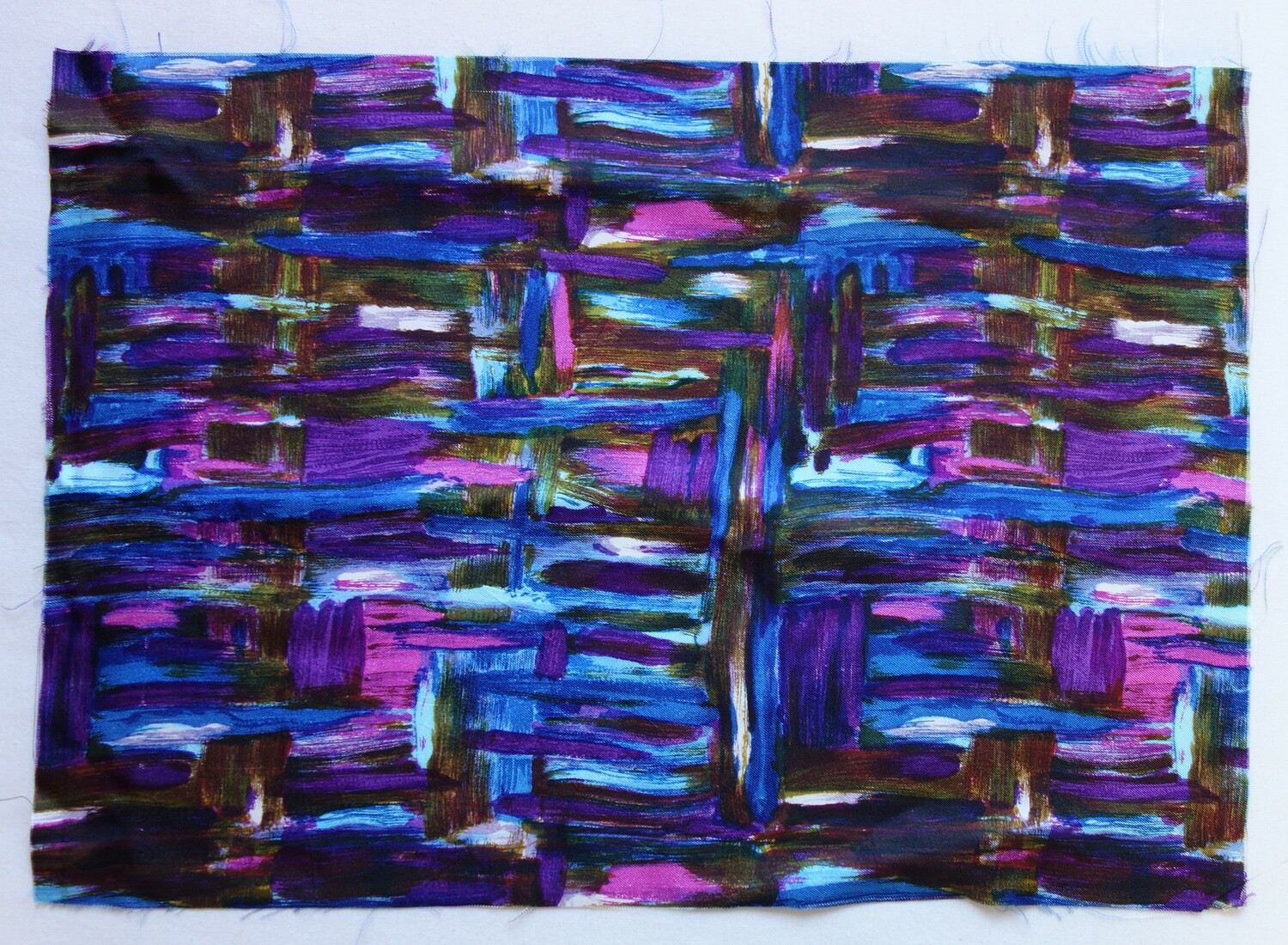 Fig. 2. Cloth sample with an abstract 'painted' design of blobs and thick lines in dark purple, pink, dark blue, mid-blue and light blue, brown and white. Europe, 1950s (TRC 2020.1190
Her abstract designs reminded me so much of textile designs from the TRC’s Pepin van Rooijen-Yves Cuvelier collection, such as TRC 2020.1190 (Fig. 2). Donated in 2017, this collection includes garments ranging from cowgirl skirts to Lebanese fashion. It also includes over 7,500 printed, woven and embroidered textile samples collected by artist and fashion designer Yves Cuvelier (1913-2005), who had a passion for 20th century textile designs. Prof.
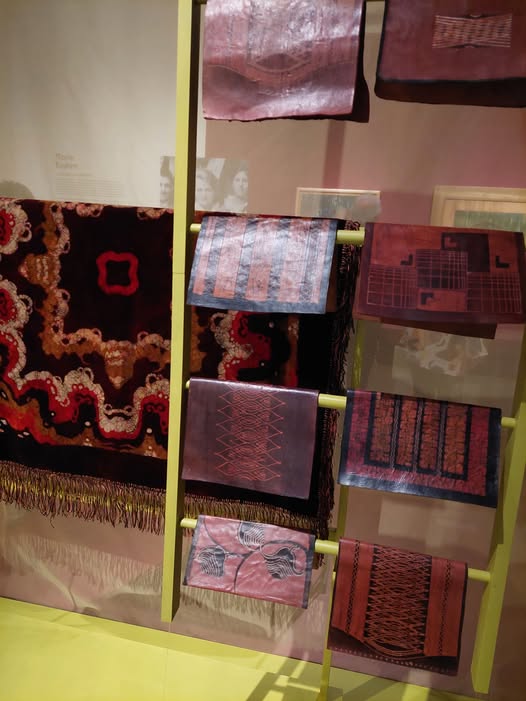 Fig. 3. Leather samples with batik designs. Photograph by S. Anderson.Cuvelier was also involved in Tachism, a French abstract art movement popular in the 1950s that is considered a part of Expressionism, like the Amsterdamse School. Like Kuyken, these textile designs were often made for furnishings, and were inspired both by nature and by abstract or geometric motifs.
There are more women fashion designers in the Unseen Talent exhibition. Several handbags designed by Cathrien Bogtman (1898-1973) are on display. Bogtman made a name for herself especially as a silversmith and jewellry designer, but her handbags were also popular.
Batik was very popular in The Netherlands beginning in the 1900s, and Cathrien Boigtman introduced this resist dye technique to the arts and crafts studio that her brother, Louis Bogtman, set up in Hilversum. She helped develop techniques which used the style, developed for textiles, on velvet and silk, but also on wood and celluloid. The studio became famous for its batik art objects in the Amsterdam School style. In 1925, she and her husband began managing a second studio, where she created designs for lampshades and other objects, and where the entire production of lamps was carried out by women.
Agathe Wegerif-Gravestein (1867-1944) was another Amsterdam School artist. She was also involved in batik, and managed her own batik studio in Apeldoorn. But it was an orange-yellowish banner in the exhibition that most impressed me. She designed this banner for the Apeldoorn branch of the Women’s Suffrage Association.
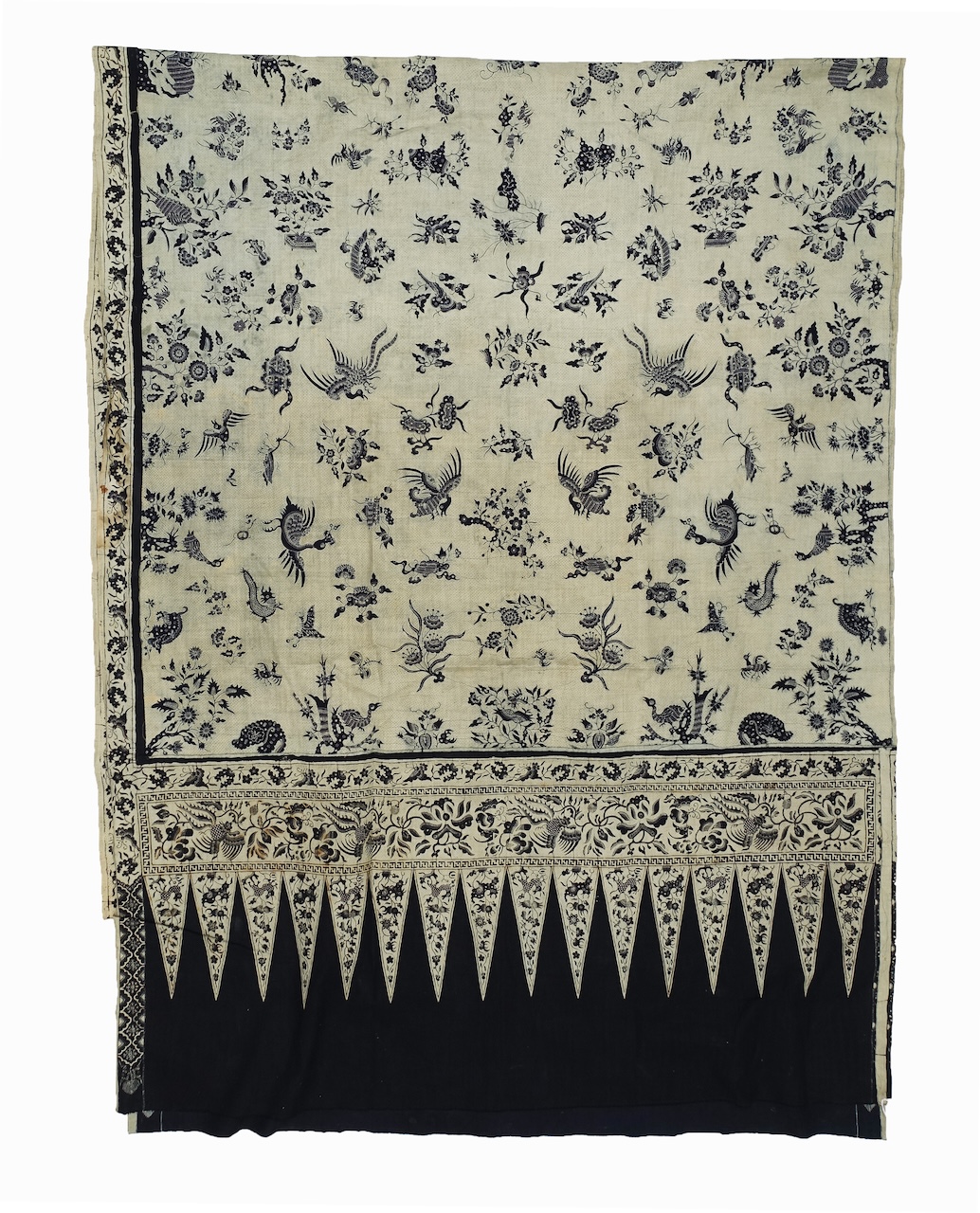 Fig. 4. Long length of batik cloth with a main field decorated with individual stylised flowers and trees, animals, birds, insects, etc., Java, Indonesia, pre-1930 (TRC 2007.0877).It was this banner that was shown in a key demonstration for Dutch women’s right to vote, held on 18 June 1916, on Amsterdam’s Museumplein. The demonstration proved that women’s suffrage was not just popular in elite, urban circles, but throughout the country, among women and men from all walks of life.
I am still exploring the TRC’s large batik collection, which includes over 800 objects, from tools to sarongs, scarves and head coverings. My favourite so far is a beautiful, pre-1930s cotton cloth (270 X 102 cm), from Java (TRC 2007.0877; Fig. 4). It is covered in delicate, stylised birds, flowers and trees, some of them highlighted with applied gold sheet. I think Marie, Cathrien and Agathe would have approved.
Unseen Talent: Women of the Amsterdam School is on until 28 June 2026. For more exhibition details see Het Schip’s website, www.hetschip.nl, in Dutch and English.
By Shelley Anderson, 20 April 2026