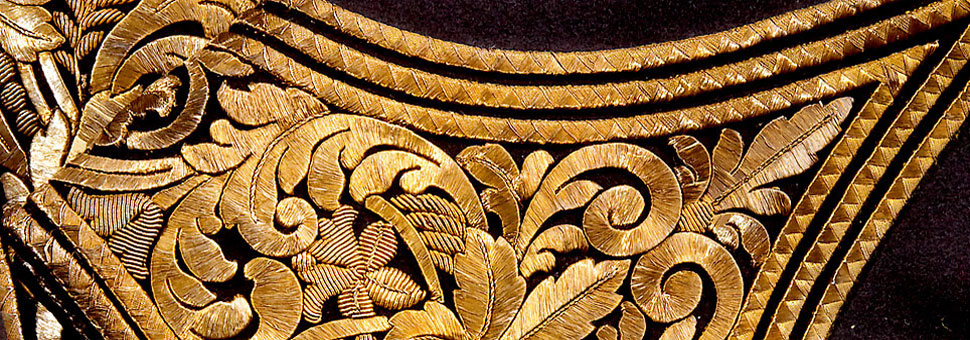
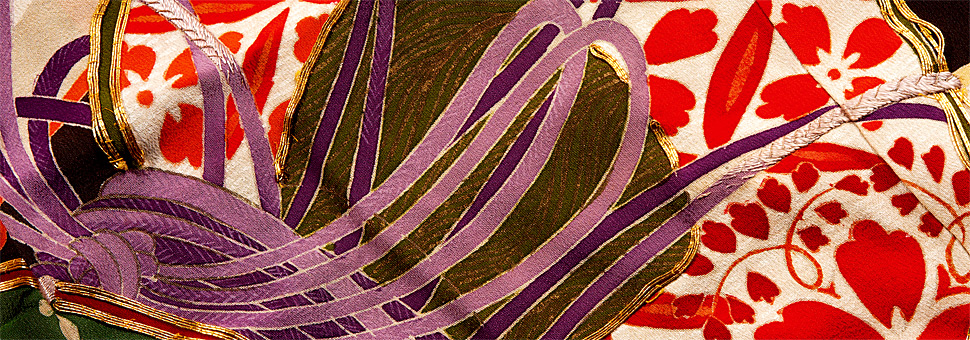

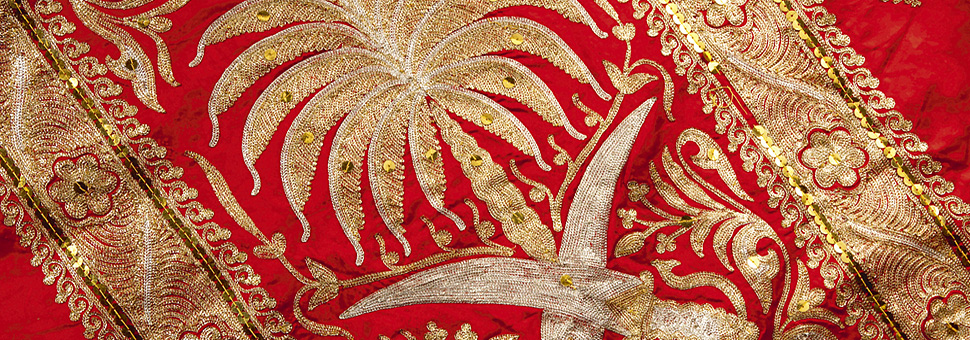
As part of the TRC’s work on the history, techniques, designs and uses of textiles, we are working quietly and steadily on making the TRC and Leiden an international centre for the study and teaching of embroidery in all its multiple forms. We currently have nearly 5,000 examples of embroidery from all over the world.
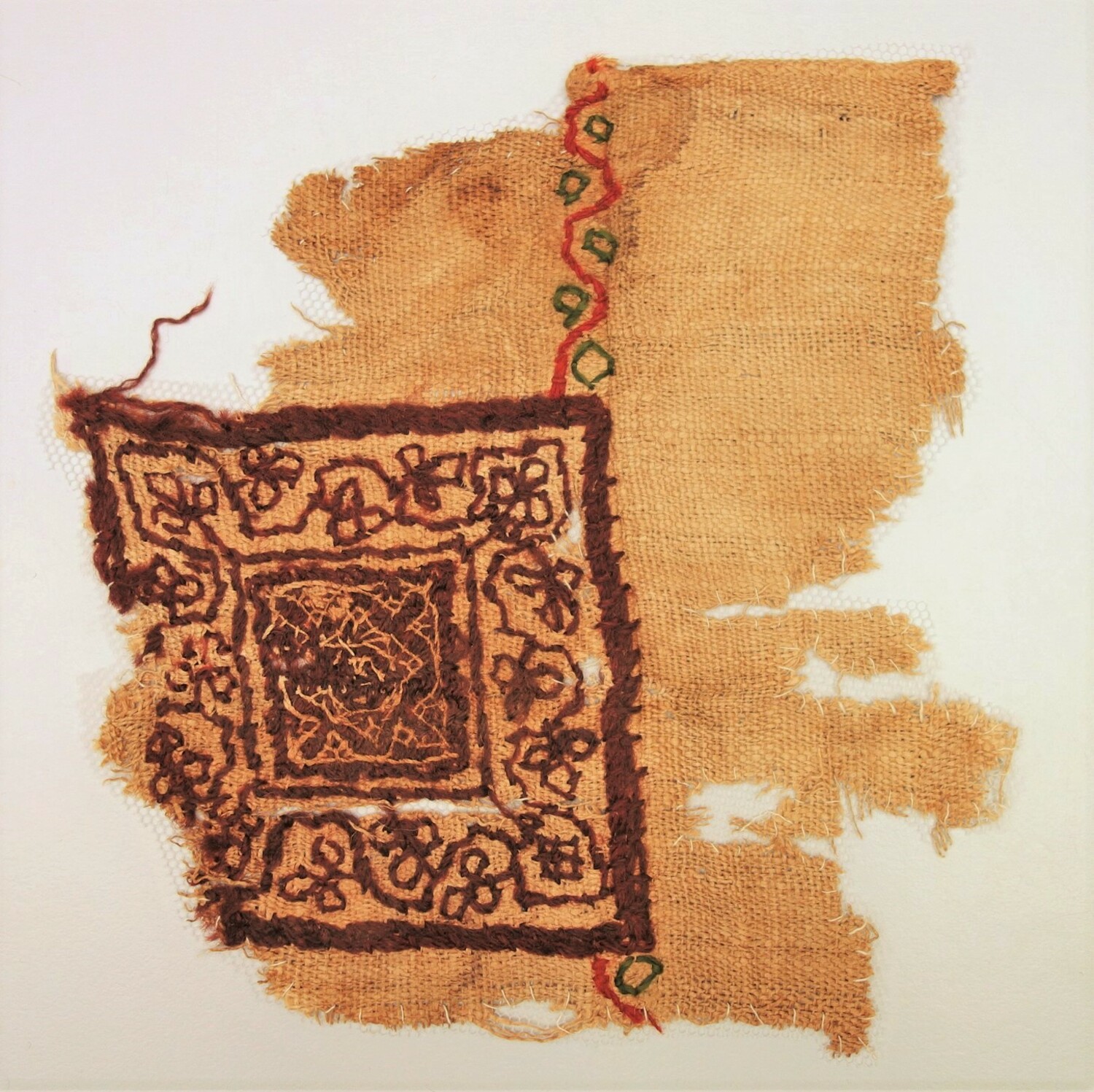 Fig.1. Fragment of linen with an embroidered design worked in wool, probably from a child's tunic Egypt, 5th-6th century AD (TRC 2000.0014).
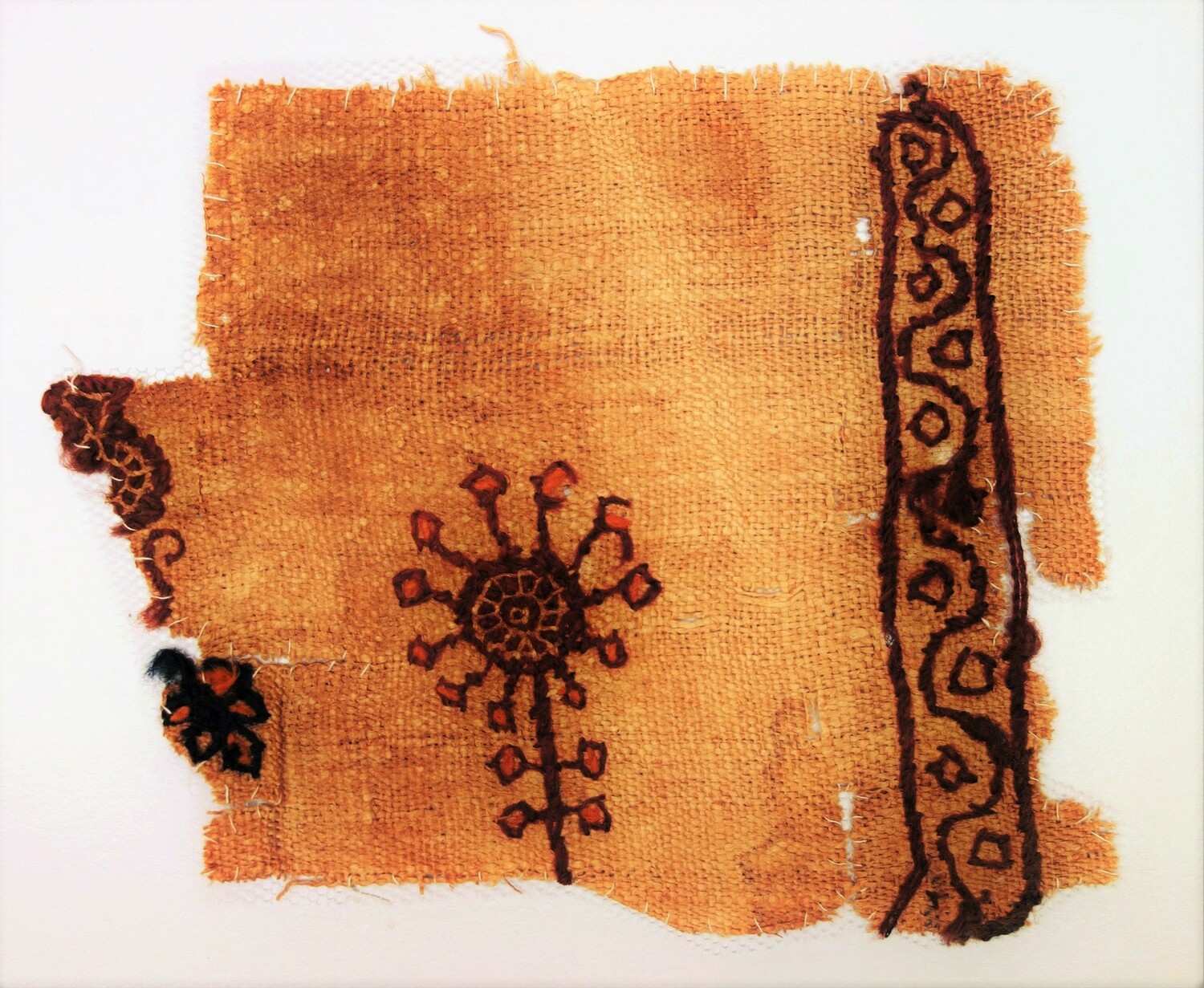 Fig. 2. Fragment of linen with an embroidered design worked in purple, orange and blue wool, probably from a child's tunic. Egypt, 5th-6th century AD (TRC 2000.0015).
The oldest pieces (Figs. 1-2) are ‘Coptic’ and date to about the 5th century AD and come from Egypt (these were also the first textiles I had ever bought, when I was 13 years old, I found them in an antique shop in York, England).
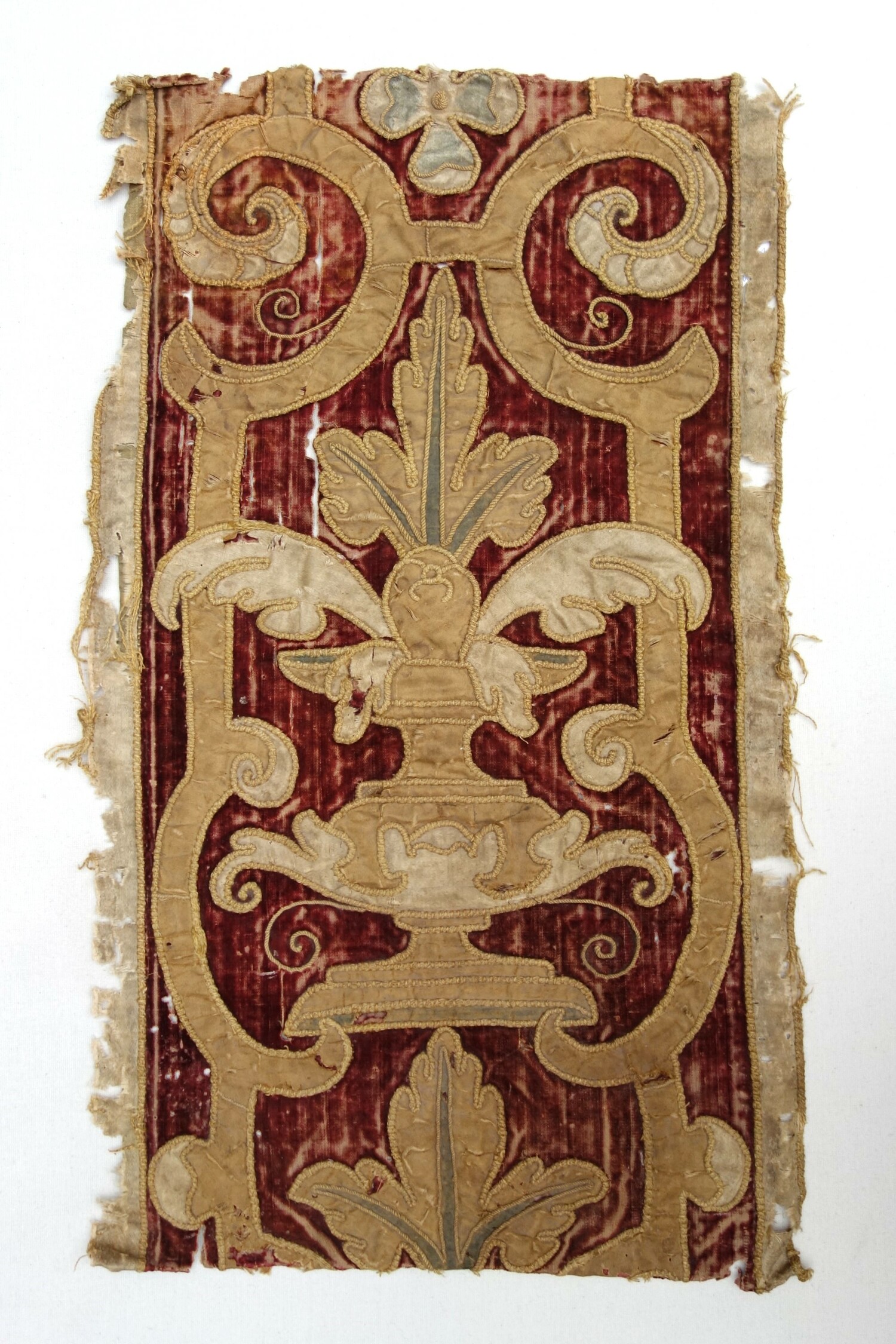 Fig. 3. Sample of a piece of strapwork made from dark red silk velvet. Europe, late 16th century (TRC 2024.3205).
Not long ago we published a blog about some European strapwork (Fig. 3) that dates to the c. 1580s and we are planning a workshop on the theme of appliqués and strapwork to be held at the TRC in the autumn of this year.
In addition, just recently we have been given several groups of embroidery and had the promise of even more!
We are, for example, now adding 58 items to the TRC Collection that come from former Yugoslavia. They were purchased there around 1970 by Jet Kuiper and given by her sister, Henriëtte van Eijk, to the TRC (Figs. 4-6; TRC 2025.0198 to TRC 2025.0256).
The pieces include a diverse range of materials, techniques and uses such as embroidered dresses, waistcoats, sleeves and cuffs, plastrons, as well as felted belts and sashes decorated with couched cords of various colours (passementerie).
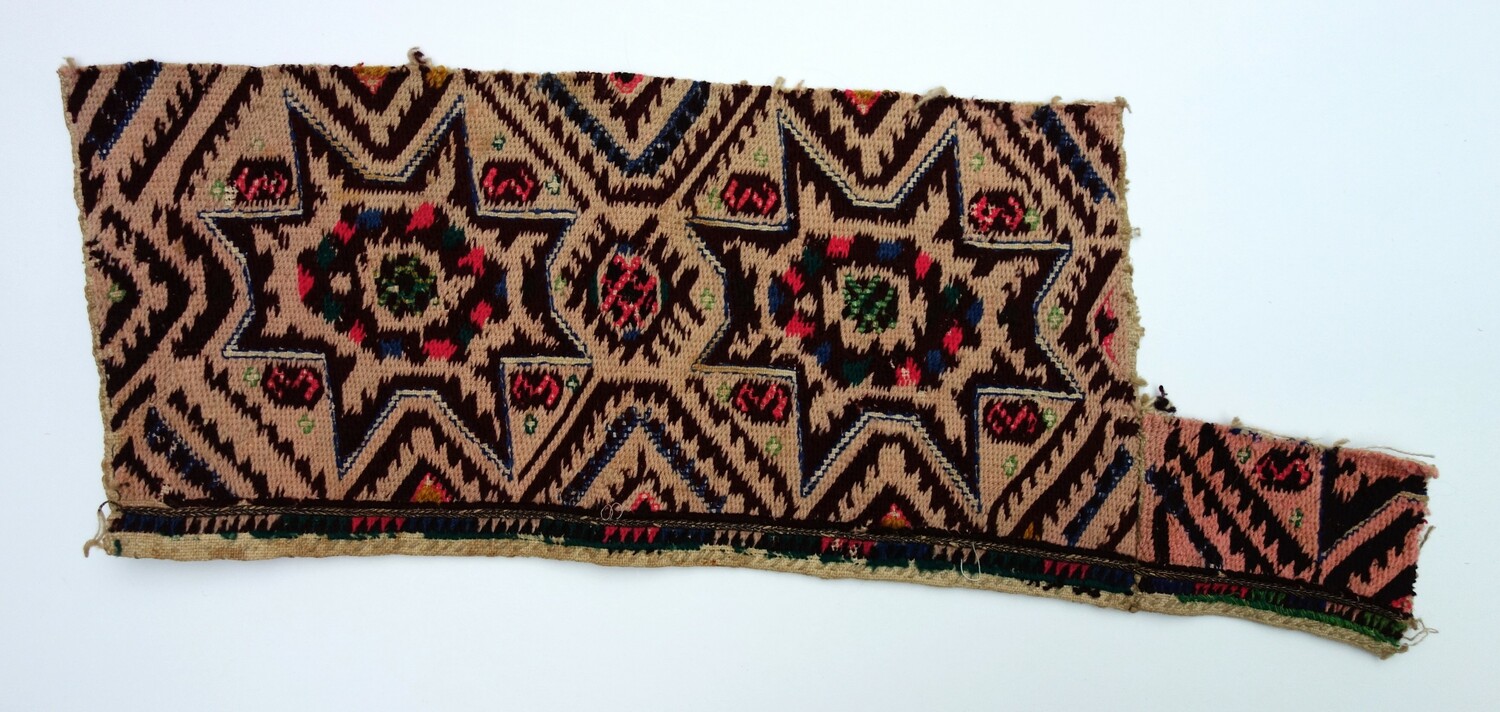 Fig. 4. Sample of embroidery with an all-over, embroidered pattern. Purchased in former Yogaslavia c. 1970 (TRC 2025.0198).
One of our new interns, Paul Cochet (Amsterdam University) has recently been to Croatia and immediately asked if he could work on identifying where these pieces came from, their context and to make a mini-exhibition about them.
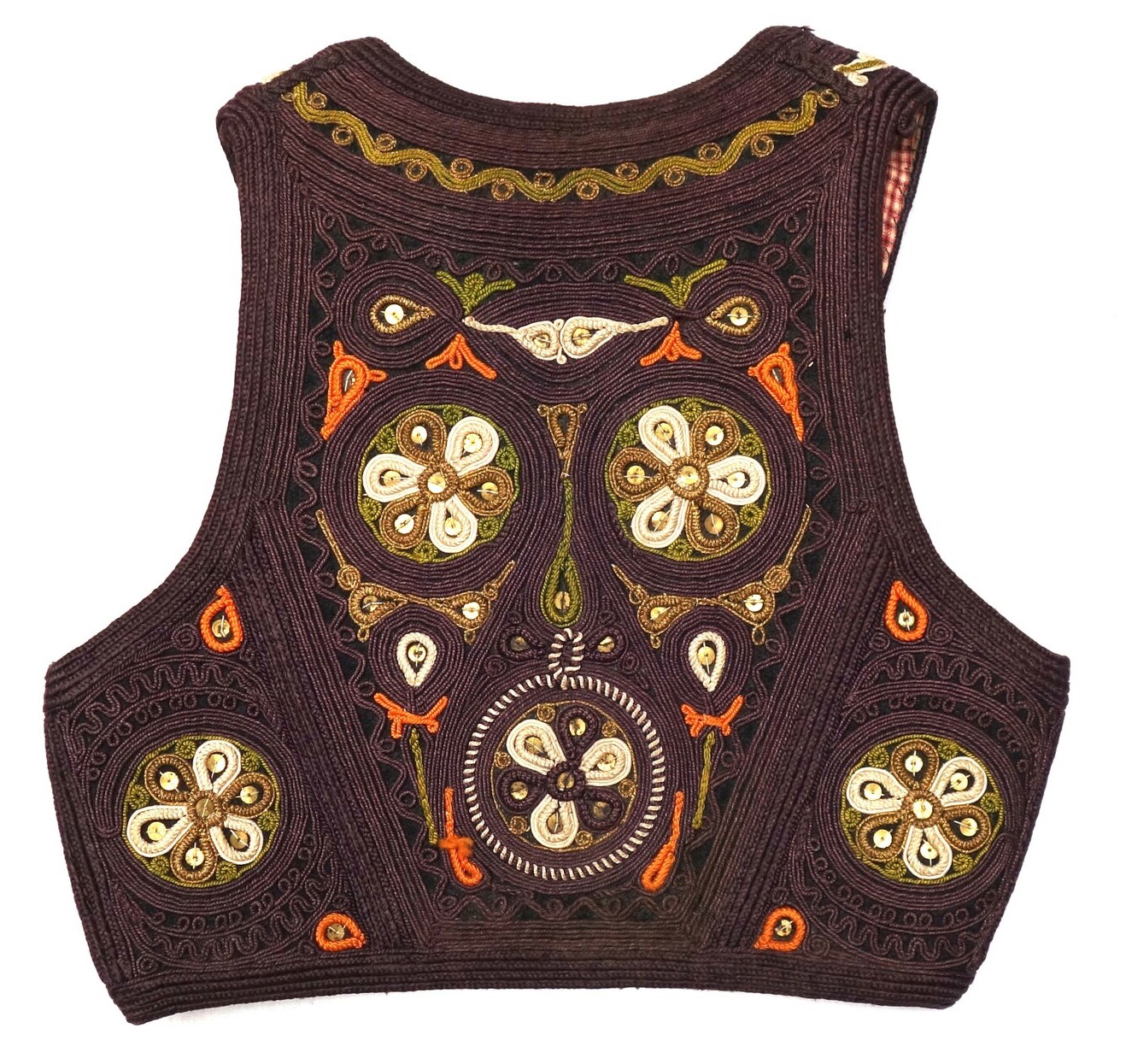 Fig. 5. Back of a waistcoat made of a black cloth with applied cords (passementerie). Former Yogoslavia, 20th century (TRC 2025.0241).
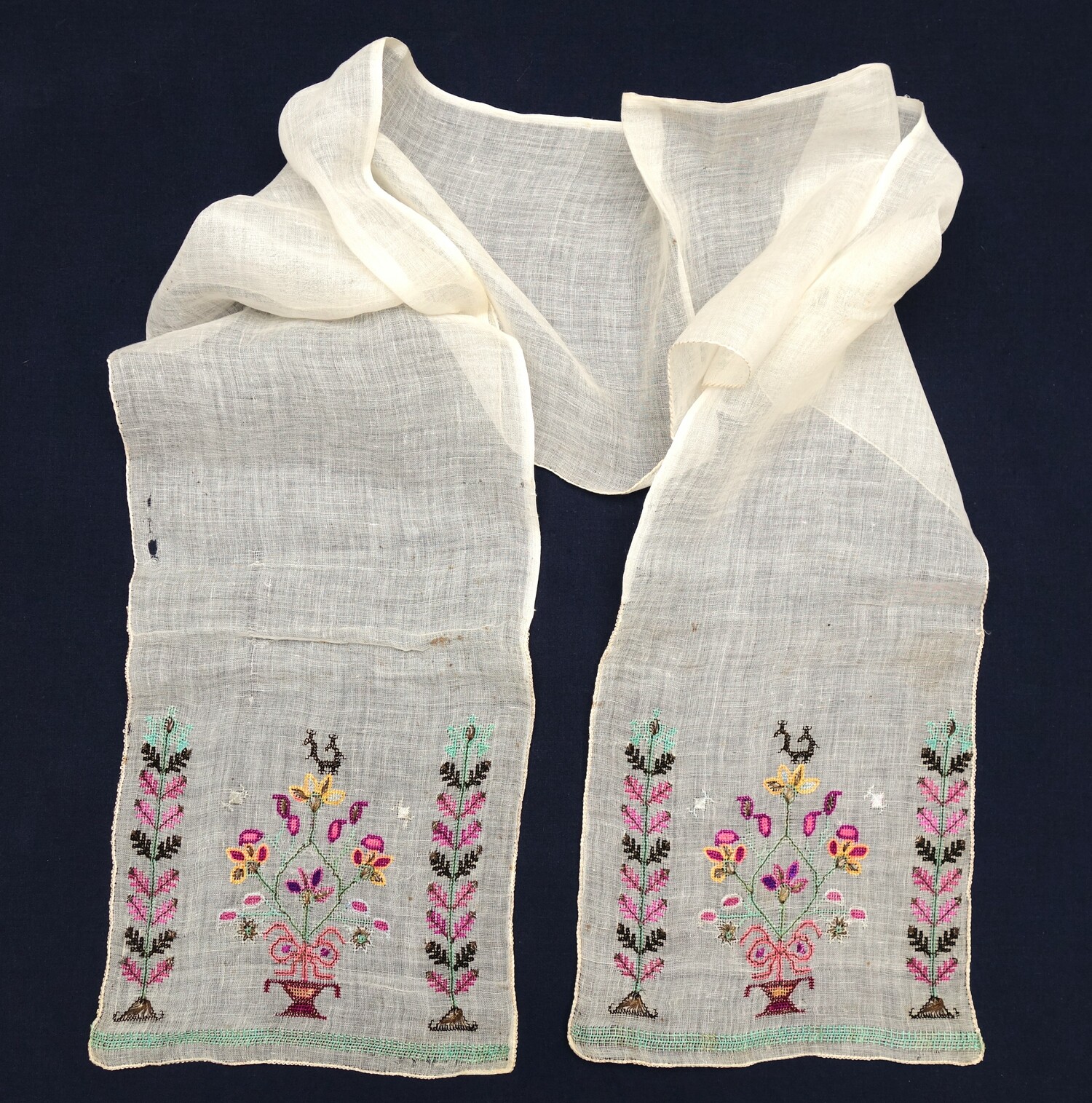 Fig. 6. Long white sash with embroidered motifs. Former Yugoslavia, 20th century (TRC 2025.0232).
During our recent trip to Nice in southern France, to see May and Rolando Schinasi, the TRC was given some more examples of Afghan and Pakistani embroideries. The Afghan items include panels from men’s tunics, embroidered dresses, as well as some caps (Figs. 7-8; TRC 2025.0151-0197). The Schinasi donations over the last few years have meant that we have an invaluable resource about this aspect of textile and dress heritage from a country that has suffered so badly over the decades.
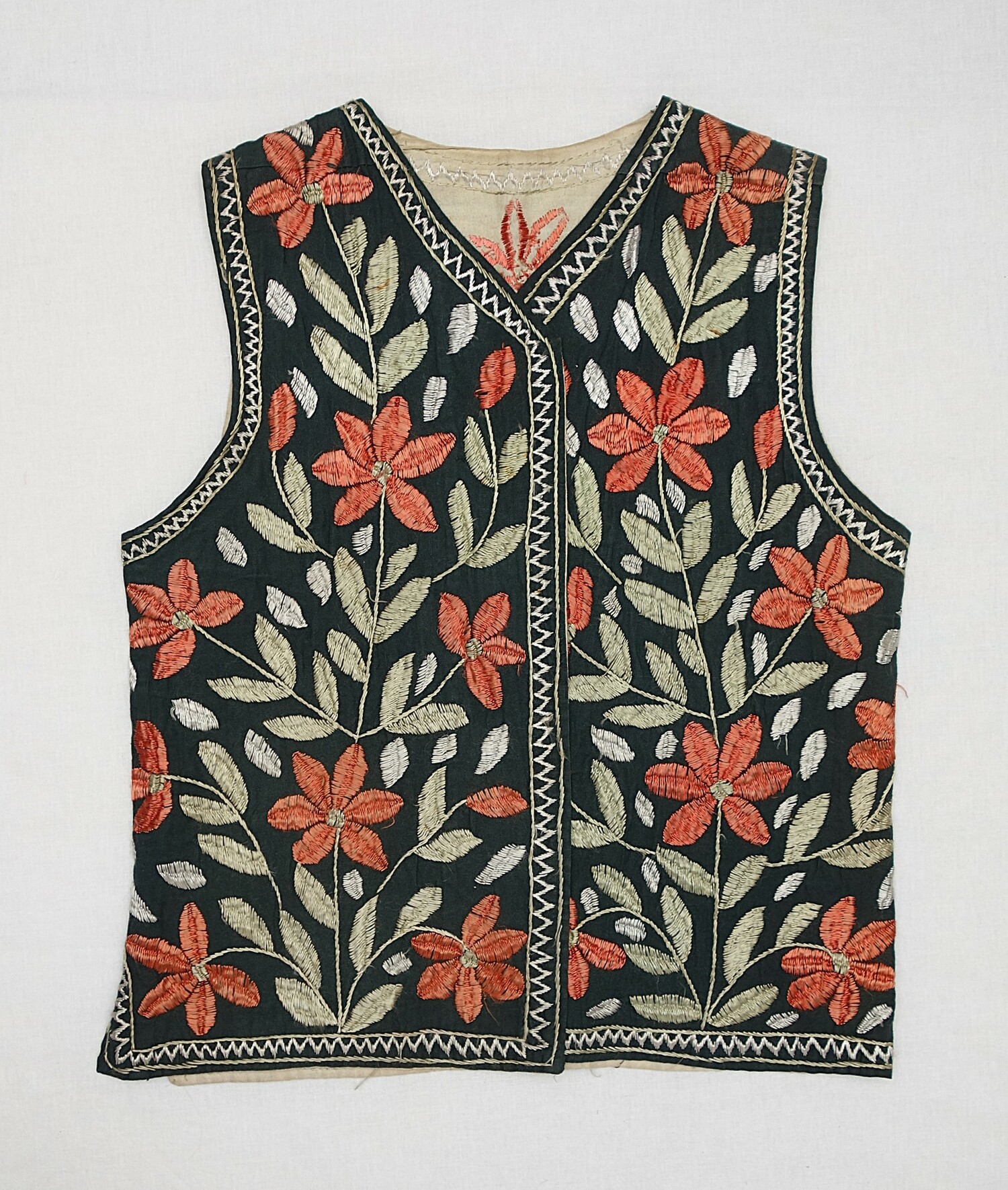 Fig. 7. A long black waistcoat decorated with embroidery. Afghanistan. Purchased in Kabul in 1970s (TRC 2025.0158).In a few weeks time, Mariam Allawerdi will donate some embroidered blankets worked by the Marsh Arabs from southern Iraq. The blankets belonged to her mother and represent a tradition of embroidery that has now just about died out due to devastation inflicted by the former Iraqi dictator, Saddam Hussein. More about these items in due course.
What is the TRC doing with all these pieces?
In addition to planning various exhibitions, workshops and study days on the theme of embroidery, the TRC is also involved with a book called Atlas of World of Embroidery, which is a Quarto publication and will be a wonderful, fully illustrated book looking at selected examples of embroidery from around the world with line drawings by Martin Hense. The expected publication date is the autumn of this year.
 Fig. 8. Embroidered cap from Afghanistan. Purchased in Kabul in 1970s (TRC 2025.0161).A few months ago, volume 4 of the prestigious Bloomsbury World Encyclopedia of Embroidery series came out, which is about Scandinavian and West European embroidery. We are now working on vols. 5, 6 and 7.
Volume 5 is about Central and Eastern European embroidery, as well as Russian, Armenian and Georgian forms. So a recent donation (see above) of former Yugoslavian examples is very useful when working on the Croatian, Serbian and North Macedonian embroidery chapters.
The 6th volume is about embroidery from the Americas, literally from Canada to Chile and all countries in between. It gives us a chance to look at a wide range of embroideries and related forms including the embroidered birch boxes from Canada and molas (Fig. 9) from Panama.
The other volume (no. 7) we are working on is for East Asia and this is due to the large number of Chinese and Japanese embroideries and embroidered garments that were donated and acquired by the TRC over the last two years. These include a number of embroidered Japanese kimono and jackets (haori) that were acquired by a crowdfunding campaign in the spring of 2024.
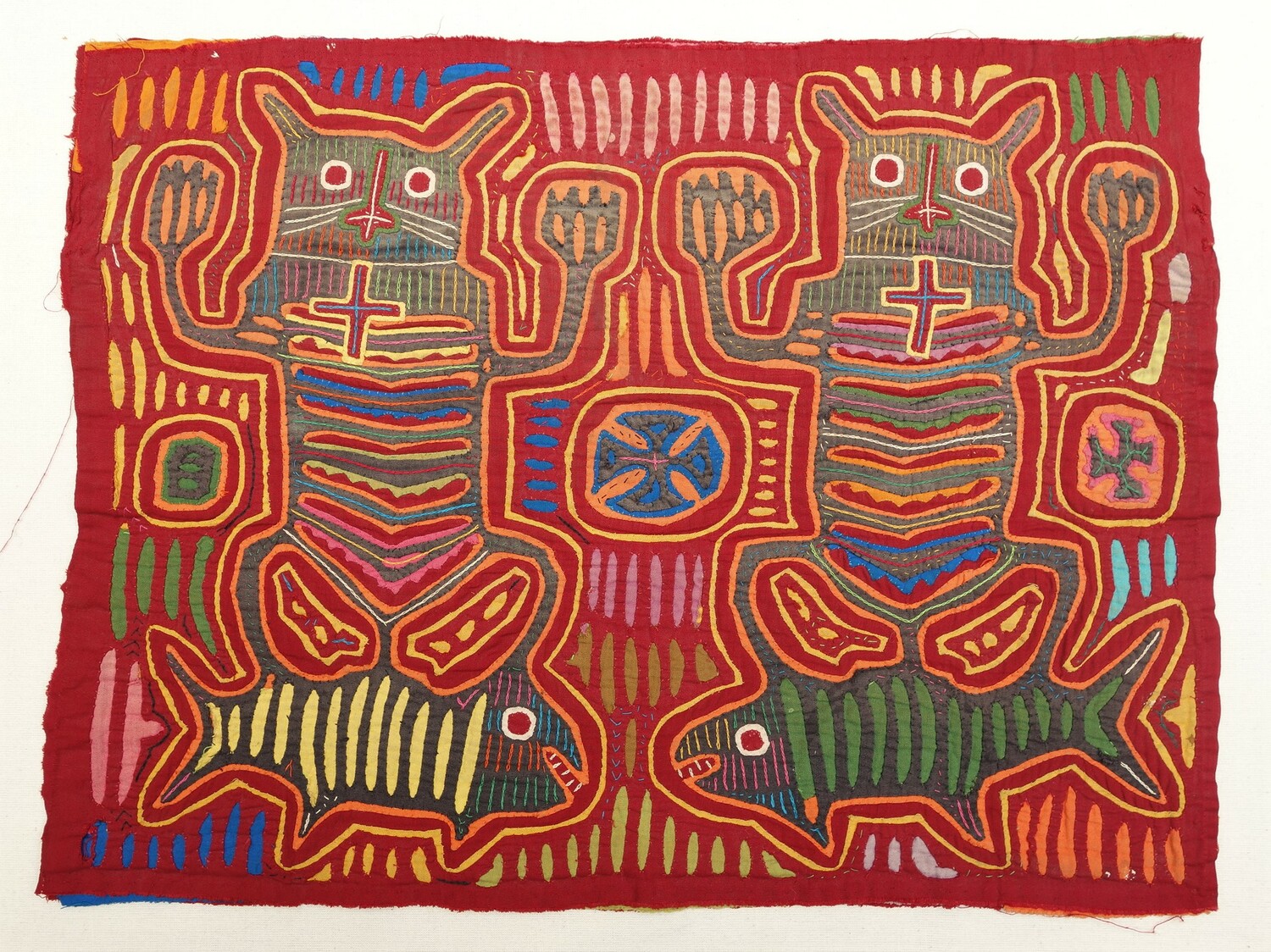 Fig. 9. Mola from Panama, 1990s (TRC 2021.2300).
A number of these haori will be on display at the TRC from 10 March until the end of June ('Japanese hoari jackets inside-out'). This volume will include Chinese, Japanese and Korean embroideries, with a range of examples from the TRC Collection. Although I must admit, we have very little from Korea (a gentle hint….).
Gillian Vogelsang, 3 March 2025