
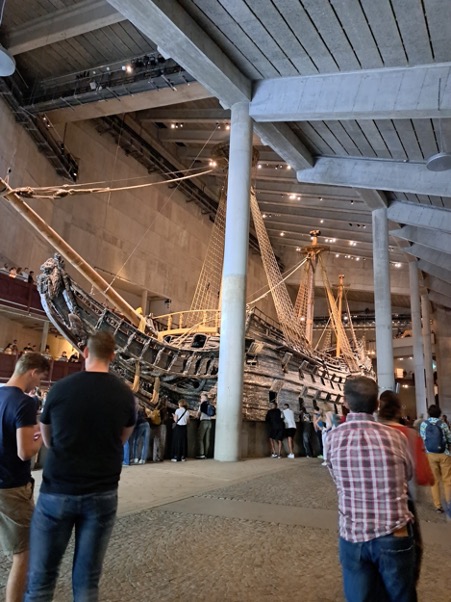
 Fig 1: First impression of the Vasa ship. The picture does not do justice to the sheer size of this beauty. Photograph by author.During a trip to Stockholm I visited the Vasa ship museum. This place highlights a spectacularly preserved Swedish warship Vasa that sank in 1628. You're faced with the massive ship front as soon as you walk in and it is absolutely breathtaking (Fig 1).
Because the ship was wrongly weighted it never made it out of the bay, sinking only minutes after its departure. The ship is preserved in its entirety and was carefully dredged out of the sea in the 1960s, conserved, and placed into the Vasa museum.
 Fig 2: Showcases in front of the ship with preserved jackets, buttons (very similar in style to TRC 2024.2729 and TRC 2024.2618), brocaded fabric, shoes and mittens. Photograph by author.The museum beautifully highlights the textile finds from this site (see Fig 2). Underwater archaeology is a keen interest of mine as it is one of the few ways organic material can be preserved. So items such as textile, leather and wood that would usually long since have decayed often remain.
Items from the 17th century at the TRC are really limited to some velvet coths and buttons, but I realised while visiting just how much I understood about these items due to my time at the TRC.
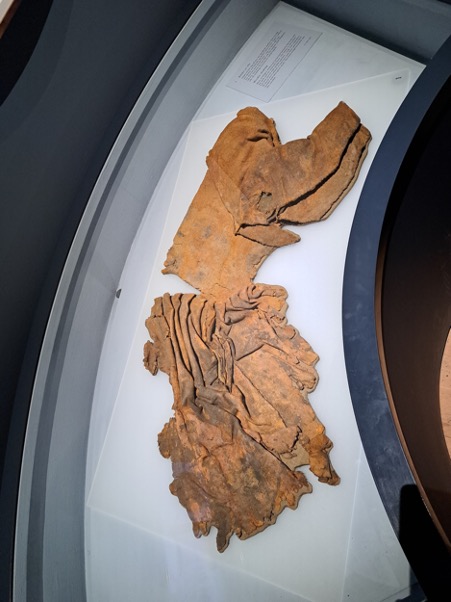 Fig 3: Woolen outfit, originally blue, with many signs of mending and patching. Photograph by author.Recognising weave structures, materials, methods of embroidery, even understandings of dyes are all aspects I learned there that shaped my appreciation for the textiles at this museum.
The Vasa museum appropriately portrays the textile finds from the (at least) 15 bodies found onboard. From felt hats to leather shoes and woolen jackets in between, the museum shows weave structures, buttonholes and corresponding buttons, fabric quality and more (Figs. 3 & 4).
Interestingly, one set of cloth seems to have accidentally found its way on the ship, as a woven twill cloth appeared to me to be imachine made and thus from the 18th or 19th century at the earliest.
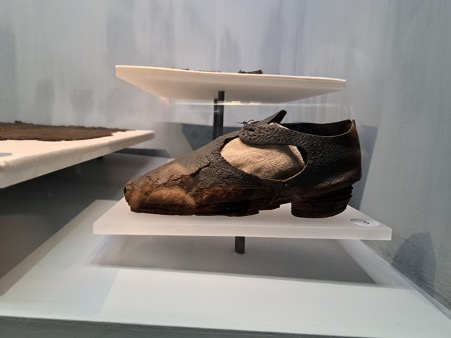 Fig 4: Women’s goatskin shoe. Well mended but of significant style, with decorative stitching and shoe rose. Photograph by author.
 Fig 5: Part of one of the linen sails. Photograph by author.Even more intriguing are the ship's sails (Fig. 5). These had been bundled up in the hull when the ship sank and have since been carefully unfolded and presented. Linen and hemp sails are present, sewn into a rope border.
The Vasa museum is a really valuable place with fascinating insights into the textile world of 17th century Sweden. The history of conservation techniques, life on board, weapons and more are also themes given equal attention, making it a really well rounded museum.
4 August 2025