
Gillian Vogelsang-Eastwood, 23 July 2024
Pockets – hmmmmm, even though I have pockets on many of the garments I wear on a daily basis, it is not a subject I have ever given much thought to, let alone realise how many different types there are! But over the last few weeks I have been seeing pockets all over the place.
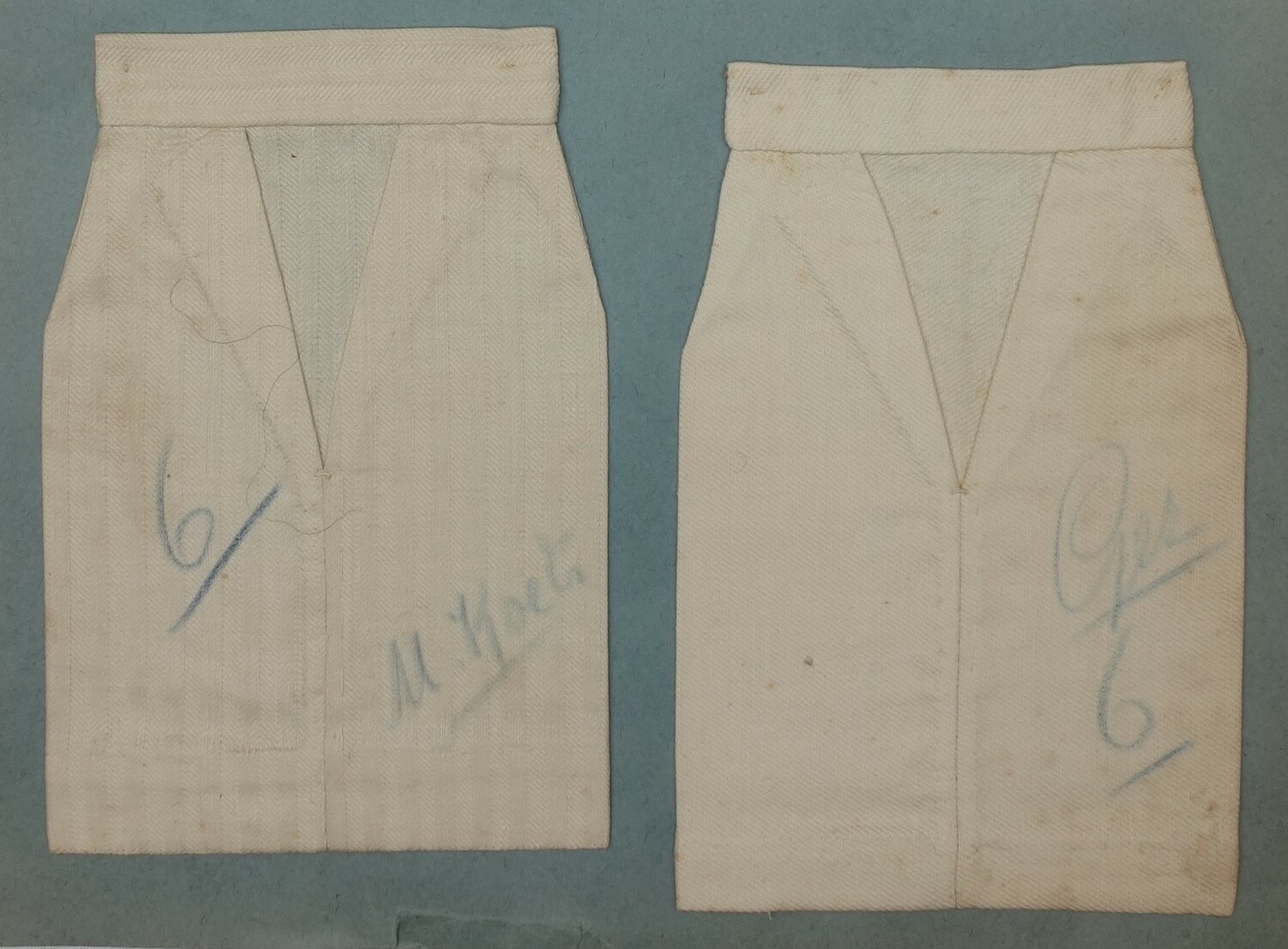 Two miniature school samples of pockets. The Netherlands, c. 1915 (TRC 2024.0873.27).
It started with a box of school samples from the former Naaldkunst Museum (TRC 2024.0873.27), which include some ordinary pockets on garments, as well as some underskirt pockets, which are known in Dutch as a rokzak (literally ‘skirt bag’). They came in both miniature practice pieces and in full-scale examples and were probably made by girls ranging in age from about 10 to 14.
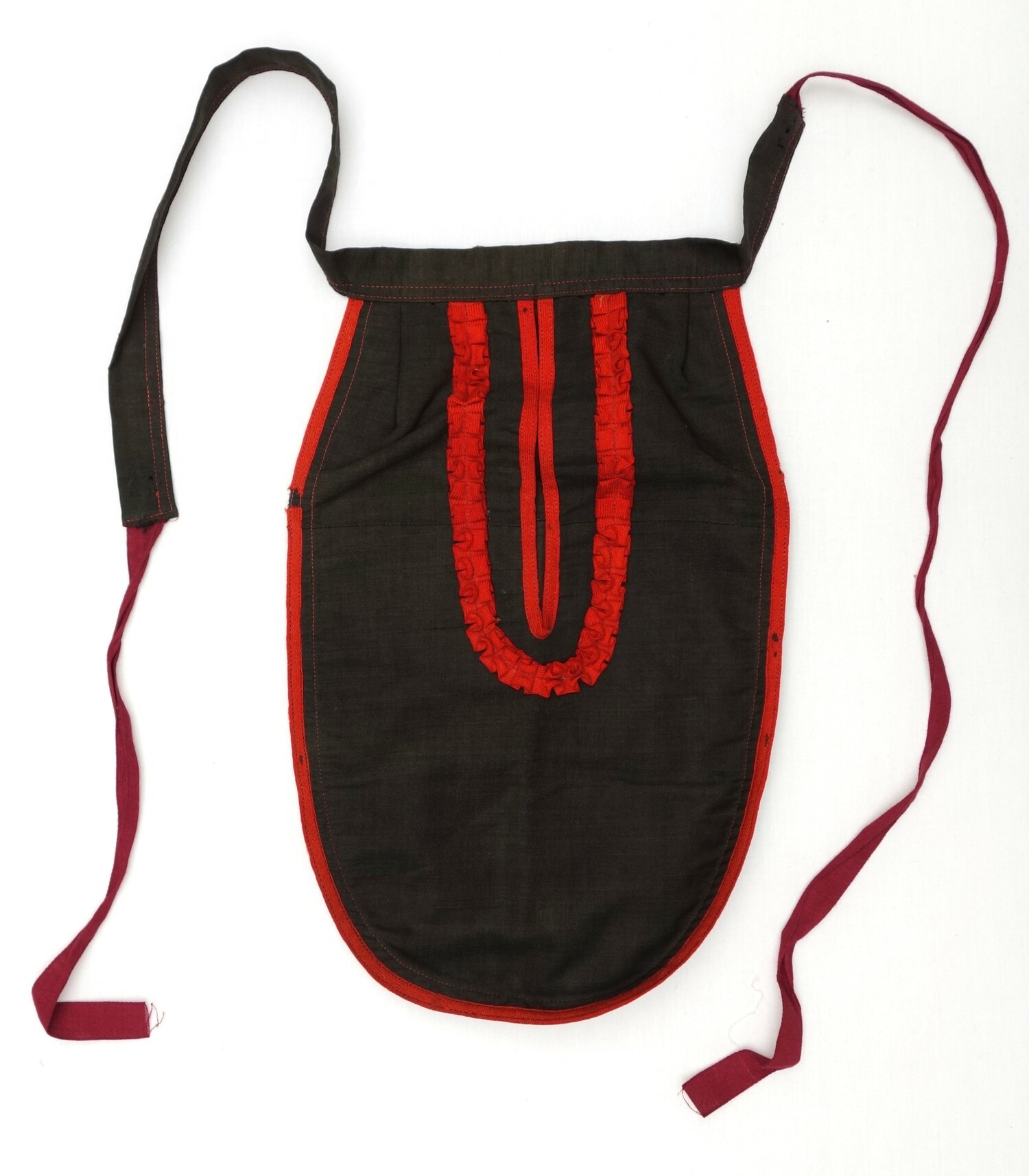 A black worsted cloth under pocket decorated with frills made from a red woollen band, The Netherlands, late 19th century (TRC 2024.1113).We also have other full-scale examples in the TRC Collection, which were used by urban women, as well as by women in regional dress from places as diverse as Volendam, Staphorst and Zuid-Beveland.
This type of pocket was also worn in other countries, including Belgium and Britain, and they were used to store items such as money, handkerchiefs, small sweets, etc., basically a similar range of items to those housed in a small handbag (or perhaps a Scottish sporran?), except the pockets were worn underneath a woman’s skirt.
It is worth noting that there is also an interesting and well-illustrated book on the subject of underskirt pockets, called The Pocket: A Hidden History of Women’s Lives, 1660-1900, by Barbara Burman and Ariane Fennetaux (2020).
 This book gives examples of different types of underskirt pockets, including some very elaborately embroidered forms that nobody would have seen except the wearer and her maid (a form of hidden connoisseurship or consumption?).
More (normal?) pockets were present in another newly opened Naaldkunst Museum box, namely a small box of samples made by someone during a tailoring or seamstress vocational course.
The pockets, based upon the materials used, probably date from the 1930s (TRC 2024.1864; TRC 2024.1866; TRC 2024.1875).
These practice or ‘learning-how-to’ pockets include a variety of materials, from light-weight cottons to tweeds and heavy, felted cloth, as well as illustrating a range of constructions and end uses.
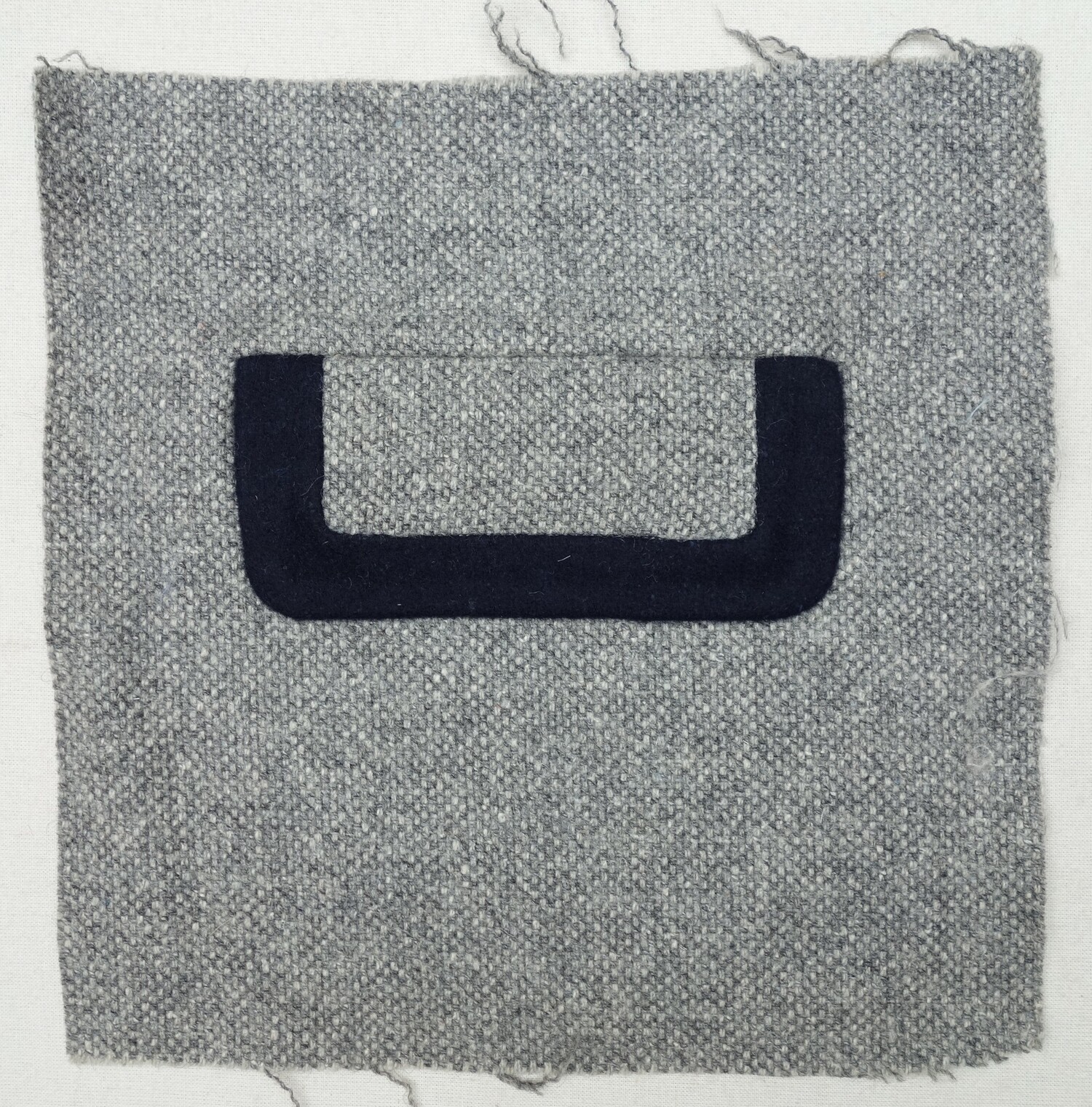 Sample of grey mottled cloth with an inset pocket and flap. The Netherlands, 1930s (TRC 2024.1864).The practice pockets include simple pockets (patch, U-shaped, angled, etc ), pleated pockets (normal and inverted pleats), hidden pockets (welt pockets), pockets made from four layers of cloth, pockets with buttons, flaps of various types.
There are also different types of pockets that are regarded as particularly suitable for jackets, coats, skirts and trousers, as well as evening and day wear forms. In other words, there is a wide variety of pockets.
A few days ago we were photographing some Japanese jackets (haori) from the Japanese collection (acquired through a crowd funding activity), and again, we 'discovered' some interesting types of pockets.
We turned the jackets inside out in order to photograph the linings, and to my surprise (I said I had never thought much about pockets), set into some of the jacket sleeves are long, fairly shallow pockets for holding a cloth, some money, etc.
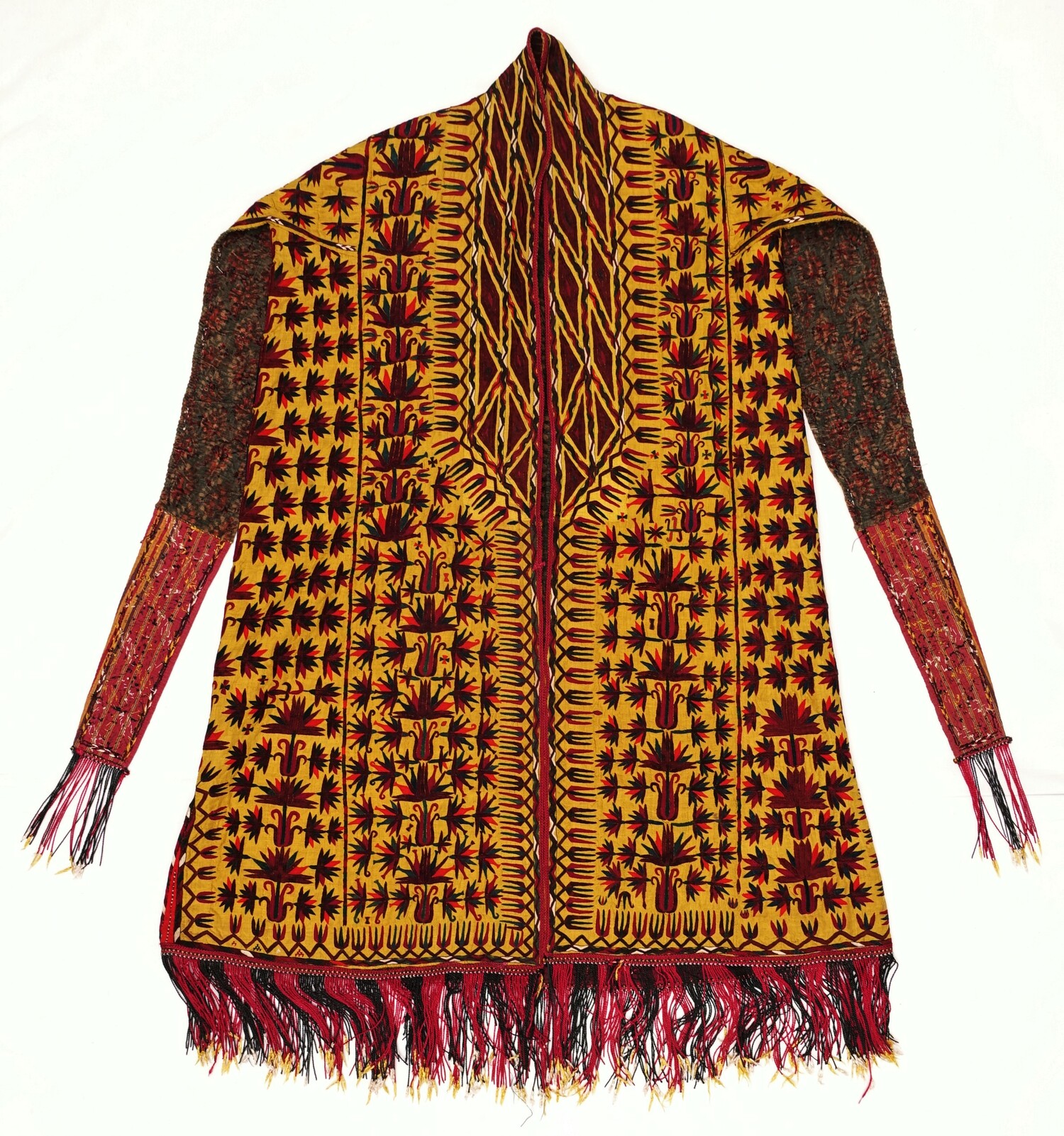 Chyrpy coat, Tekke Turkmen, Turkmenistan, late 20th century. The garment has long, 'fake' sleeves that are fastened together on the back of the garment (TRC 2022.1220).
These hidden pockets are similar in idea (but not in construction) to the underskirt pockets mentioned above, as well as some Teke Turkmen and Uzbek coats which are worn on the head and have extremely long sleeves, and which are sometimes stitched near the sleeve head, to make, yes you have guessed it, a pocket that hangs down the back of the wearer….
As I said, pockets galore and always diverse in nature and construction.