

A friend's appeal for financial assistance to the TRC
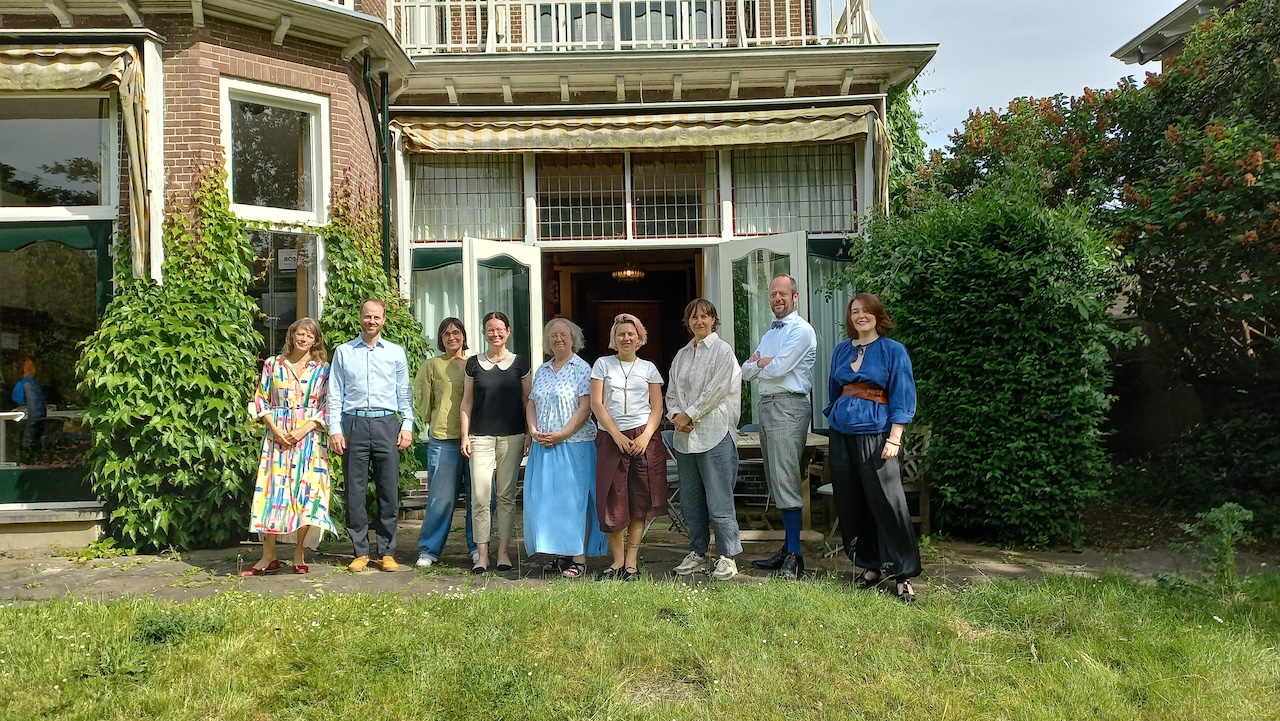
 The new premises of the TRC, from the back garden.Robert Spiegelman is an American friend of the TRC who has been visiting Leiden and the TRC for some years, and has been supporting our work in many ways. Here is his personal appeal:
I am a huge, and hugely unlikely supporter of the TRC.
Let me explain. I am an American who loves Leiden and spends more than a tenth of my time there every year. A few years back, my curiosity was peaked. I had read about the TRC and while cycling by I met Gillian. It was truly inspirational. She gave me a tour, told me about their work, explained the plan/intention to go from an “academic volunteer run knowledge center” in a nondescript street front location to become everything it could be, a fully professionally run organization and an internationally recognized expert and leader. The dedicated group has done an amazing job.
I was impressed and immediately began making contributions to keep the lights on.
Why do I say “unlikely?” While I love Leiden, it is not my home. I have no interest in fashion and while I suppose textiles and textile history are important, neither was an interest of mine. What impressed me was the importance of the work that was being done, the idea that textiles, fashion, and the textile trade could be used to trace changes in civilization worldwide for several centuries. The parallels are fascinating.