
TRC Intensive 5-day textile course, October 2026. A review
This brief review of the TRC intensive 5-day textile course of 12-16 October, 2026, was written by one of the participants, Dr Tullia Fraser, assistant curator of the Huang Kam Chak collection, Durham University, UK.
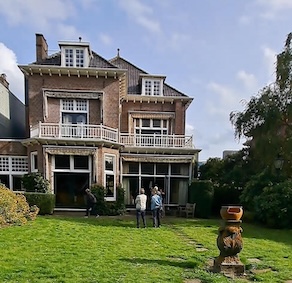
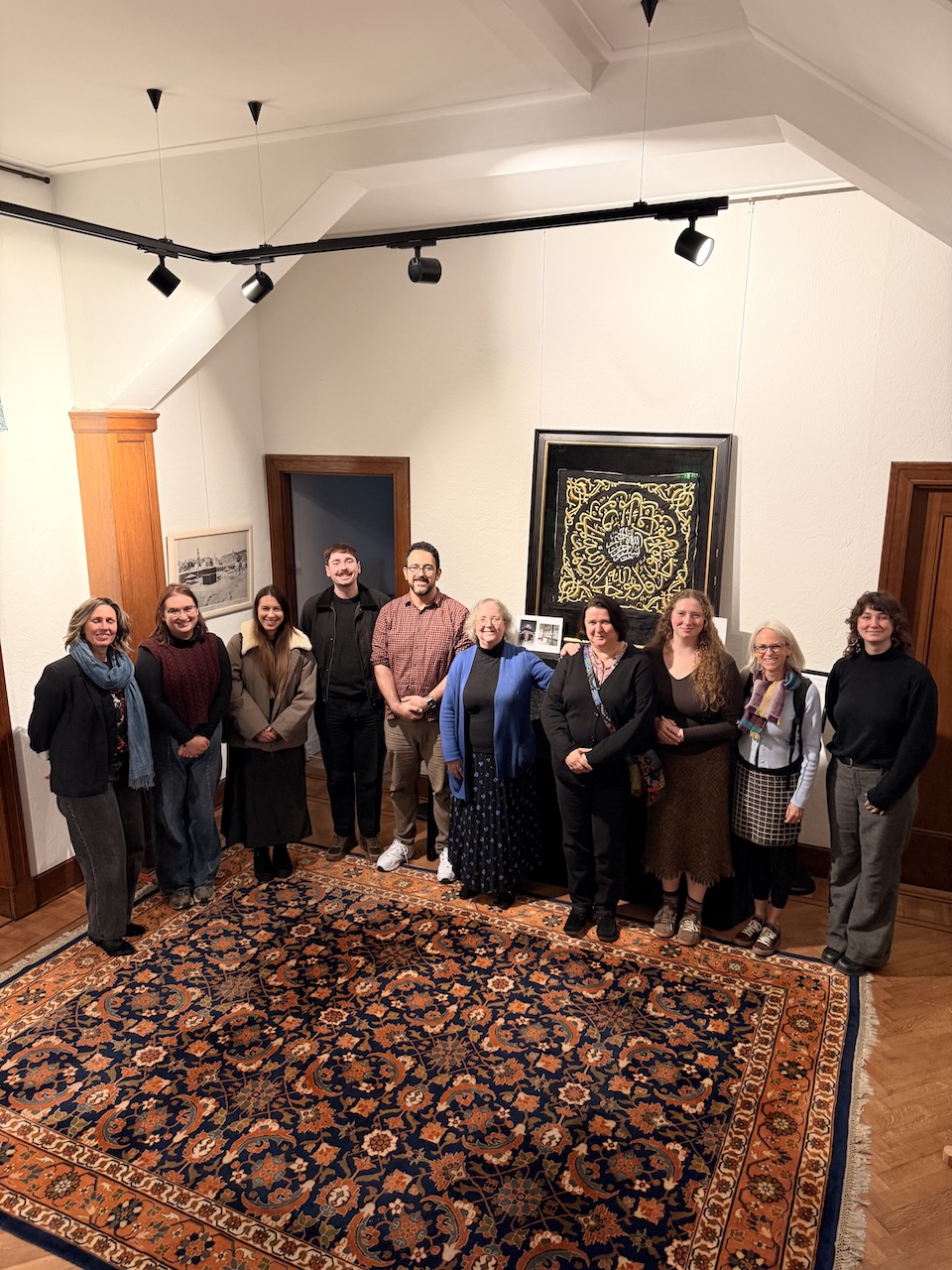 Group photograph of the participants of the TRC Intensive Textile Course, taken in the central hallway of Boerhaavelaan 6, 12-16 October 2026
Last week I attended the Five-Day Intensive Course organised by the Textile Research Centre (TRC), Leiden. Delivered by a formidable team who are such knowledgeable custodians of a ‘living archive’ global collection from which there is much to learn. This experience has inspired new questions and made me look at, research, interpret, teach, talk about (etc.) the textiles in the Huang Kam Chak Yee Collection in an entirely new light: from Late Qing pouches, men’s jackets, to qipao tailored in the 1990s.
This experience feeds into ongoing exciting projects around the Huang Kam Chak Yee Collection, so always more to come. In the meantime, if you are curious about Mrs Huang’s collection, including fashion and foodways, please get in touch.
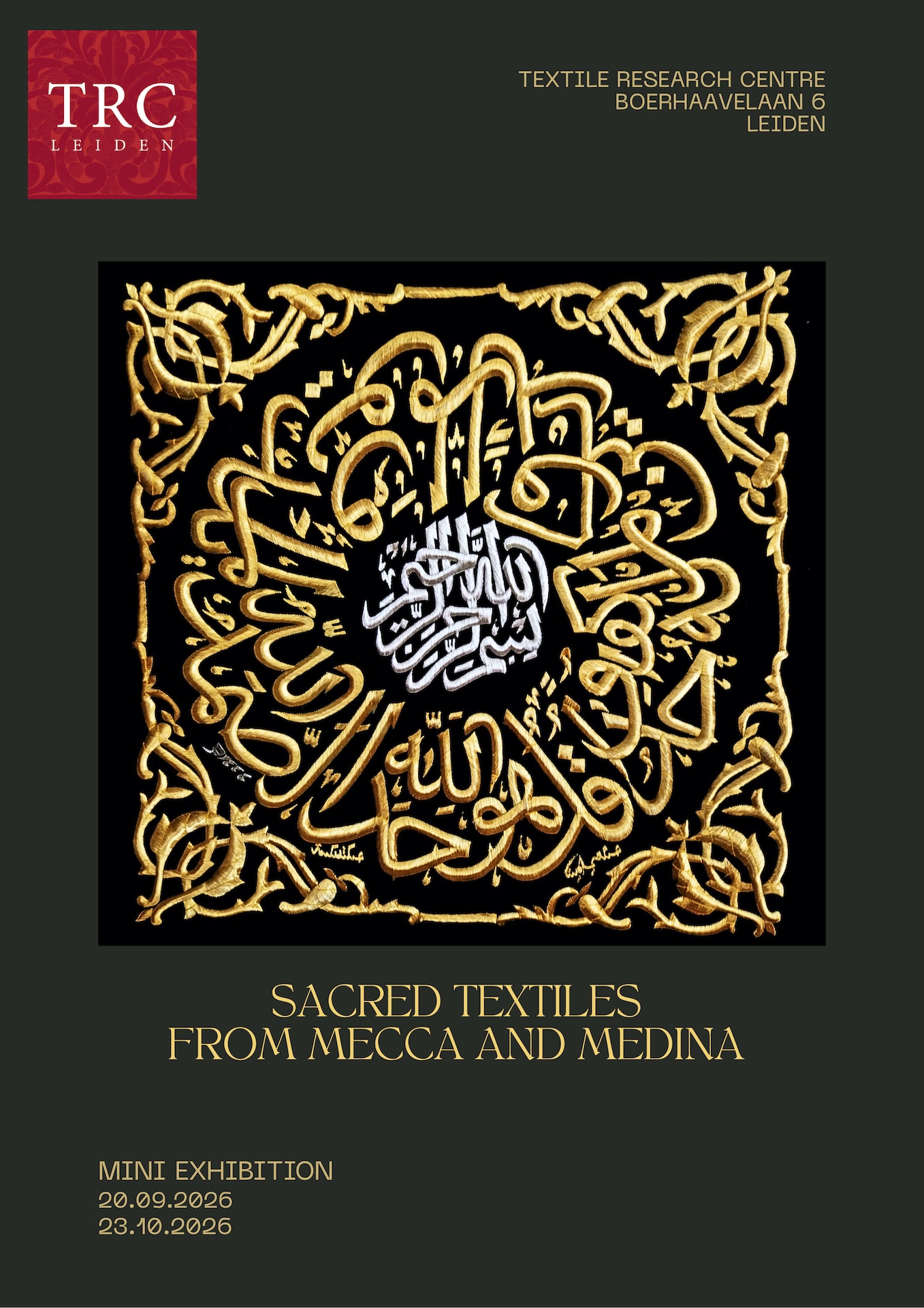 (Gillian Vogelsang, 21 September 2026) "The TRC and the Stichting Güney are proud to present …. " This may sound like a cliché but in this case it is totally true. We were and are proud of the 'Sacred Textiles from Mecca and Medina' mini-exhibition, which was opened last Sunday, 20th September, in the presence of the Turkish ambassador designate, Dr. Burak Akçapar.