• F3
  • F4
  • F1
  • F2

(Gillian Vogelsang, 1 July 2026) A few months ago, I wrote a blog called The Three A’s and Afghanistan, which was about how ideas, patterns and objects, move across the world and always have done so. In that context I mentioned the importance of the three A’s for the TRC’s approach to textiles, namely Adoption, Adaptation, and Acknowledgement.

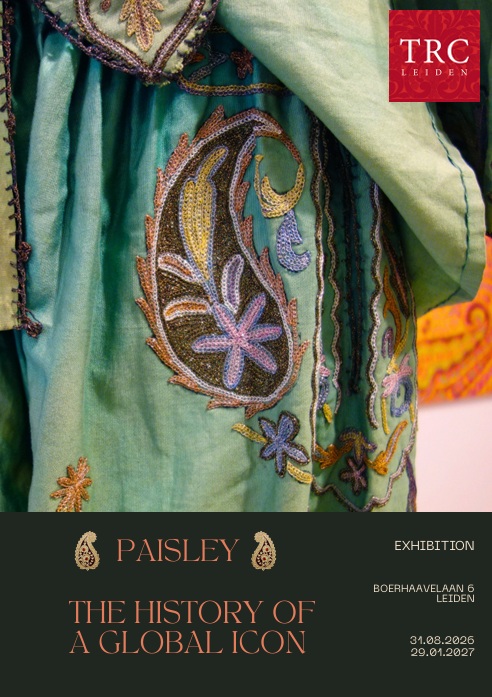
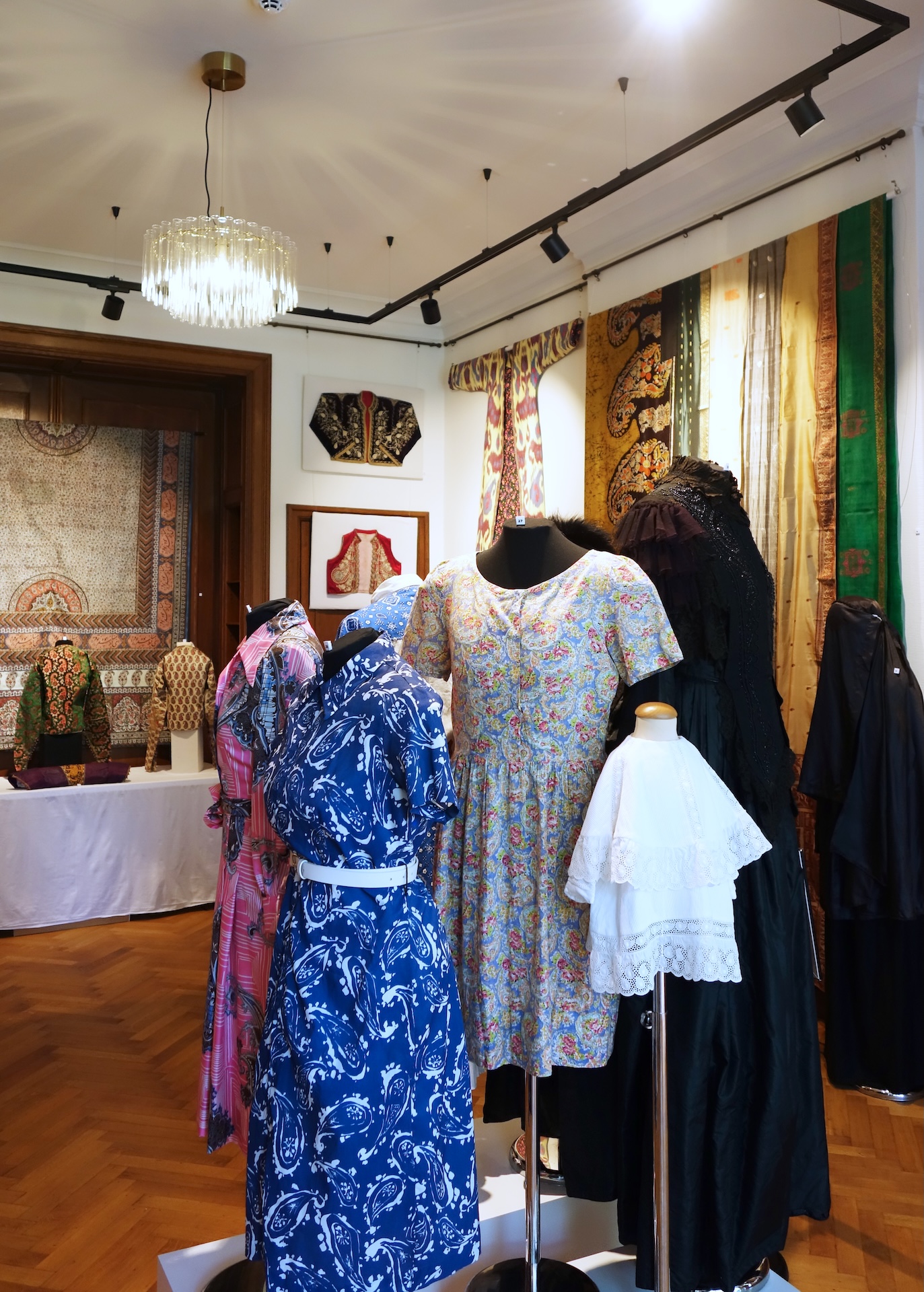
Basically, the TRC wants to study how, for thousands of years, people have adopted and adapted textiles, clothing forms, techniques, patterns and so on. Adoption and adaptation are two natural and very human processes. A fantastic example of adoption and adaptation is the Paisly motif (buteh), which has a long history in the Middle East and Southwest Asia before being adopted and adapted by the Kashmiri weavers in India and then being exported to Europe, Africa and indeed the rest of the world.

The third A stands for Acknowledgement. We want to identify and acknowledge, as much as possible, the origins of textile and garment techniques, forms, designs and indeed uses. Not doing so, as often occurs in our commercialised, globalised world, can be classed as a form of cultural appropriation.

Well, I have just been talking with fashion designer, Clare Waight Keller, who is also a member of the TRC Board, and with Ray Raymakers, a TRC consultant. We were discussing how commercial groups could make use of the TRC Collection as a source of inspiration. We agreed that we should always bear in mind and emphasise the third A of the TRC approach, namely Acknowledgement. People should always acknowledge the origins of what they are producing.

And there is more: We have a fantastic and diverse collection at the TRC. Almost all of the textiles and garments in our Collection can be seen, touched and handled. Apparently, someone recently alluded to that particular aspect by describing the Collection as a ‘Textile Petting Zoo’, a fantastic image! Yes, we like to touch, feel, and sometimes even to listen to our textiles!

Clare stressed the point that Accessibility, yet another A, is one of the key features of the TRC Collection, in comparison to some more traditional museum collections where you sometimes must make an appointment months in advance, in order to see a small number of textiles for a limited period of time. We don’t have to stress how important it is for textile people to feel the objects, to look at them in close-up, to see the inside of a garment to see how it is made, and so forth. Hence her addition of a fourth A for the TRC’s approach: Accessibility.

And for all those who cannot come to Leiden, due to time, distance or finances, making every item in the collection accessible online in an open access format is also important. This is something we have been working on since the internet became increasingly available. Making as many items available to as many people as possible, not just a few, remains a challenge, but one the TRC is actively meeting! We recently arranged a photographic studio in our new home. We are also continually looking at ways in which we can improve our data base, for example, by having better photographs, more Dinolite microscope (detail) images, using 360o photographs, more object and reference cross-referencing, etc.

But, let’s be clear, nothing beats touching and handling the textiles directly, but to do so people will have to come to Leiden! We want the world to know and use the TRC Collection, and we are especially addressing teaching and cultural groups and institutes, but we also want the vast world of textile and garment companies to know what we are doing. Here at the TRC Leiden, is a fantastic and accessible source of inspiration! Please use it!

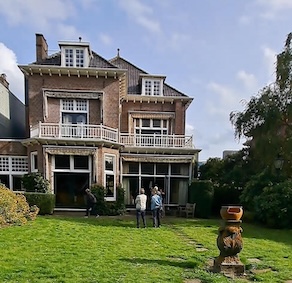
The Textile Research Centre, Boerhaavelaan 6, Leiden.The Textile Research Centre, Boerhaavelaan 6, Leiden.The TRC has recently moved to new premises, an early 20th century urban villa just behind the Leiden railway station. There is a lot of work to be done and we are looking for several new volunteers!

In particular we need:

- An experienced librarian who can take over the running and development of the TRC textile and dress library (currently standing at 7000 registered books), as well as help build up an image library that will include prints, photographs, postcards, charts and patterns. One to two days per week.

- A general assistant to help on a regular basis with the TRC Collection of textiles, clothing and accessories from around the world. Experience in object photography would be an advantage.

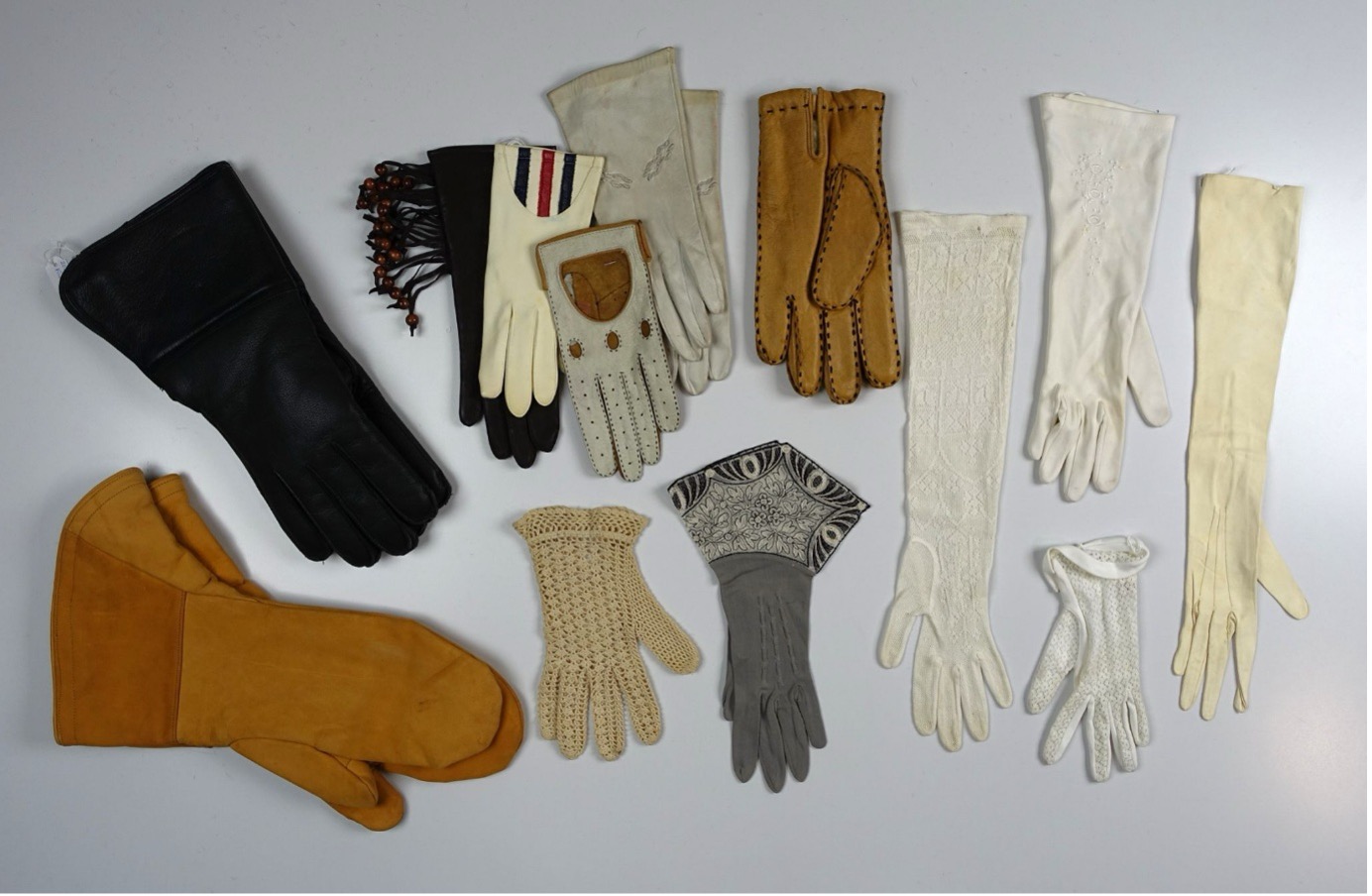
 - A volunteer is also needed to help catalogue the TRC's extensive and growing collection of hand (bobbin, needle, crochet, knitted, etc.) and machine-made lace. These items take the form of individual samples, as well as items (caps, lappets, gloves, garments, etc) made from or decorated with lace.

If you are interested, please contact Gillian Vogelsang-Eastwood, This email address is being protected from spambots. You need JavaScript enabled to view it., or 06-28830428

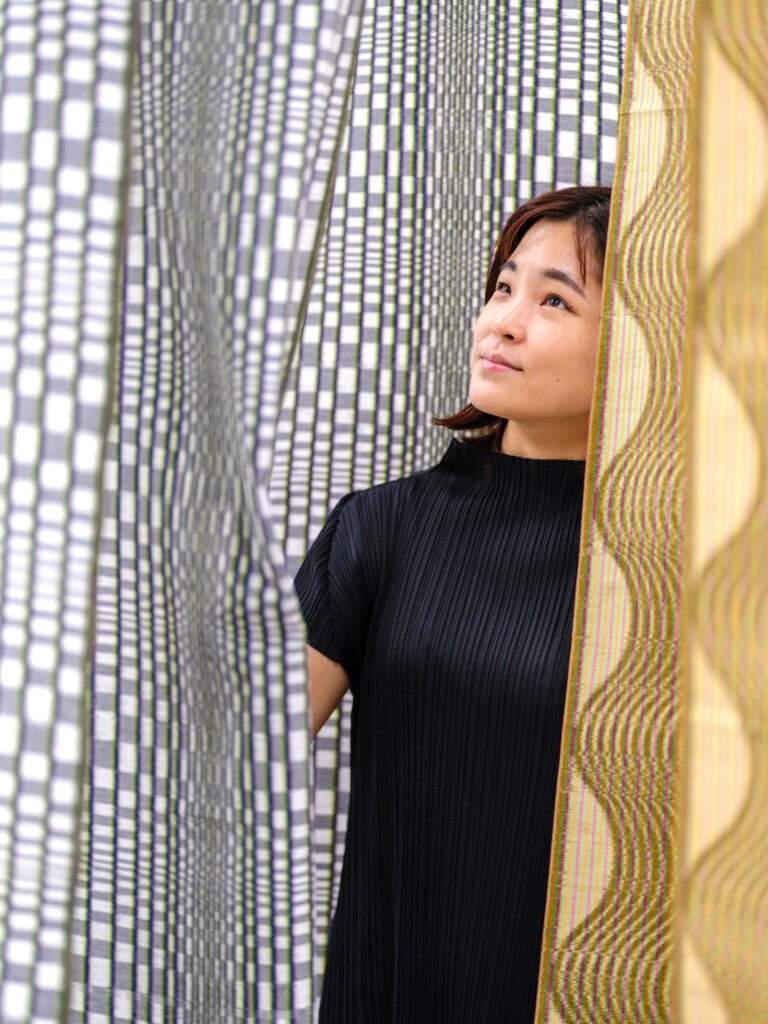
I could not resist putting this on the TRC webpages: an interview with Gillian Vogelsang-E`astwood, director TRC, published by an online news service about the Netherlands. I am very proud of her! Click on the photograph to read the item. Willem Vogelsang.

Gillian Vogelsang-Eastwood, photographed for DutchNews, June 2026.Gillian Vogelsang-Eastwood, photographed for DutchNews, June 2026.

Het Leidsch Dagblad publiceerde vandaag, woensdag 10 juni, een artikel van twee pagina's over de TRC, de verhuizing naar de Boerhaavelaan en de ambities voor de toekomst. Het vestigt ook de aandacht op de textielboekenmarkt aanstaande zaterdag, vanaf 10.00 uur.

Find the books you have long been looking for, and help support the TRC by buying some of them! 

We are going to have our annual book sale on Saturday 13th June, from 10.00 until 15.00. Hundreds of second-hand textile, clothing and accessory books will be on sale, at very reduced prices! 

The TRC regularly receives donations of books. We select them en see whether we can use them and whether the titles may already be included in the extensive TRC textile library. If we cannot use the books, we very much want to pass them on to other textiles friends against a low price.

Why don't you pop in and have a look? You may find the book that you have long been looking for. You will also have the chance to see the TRC’s current exhibition about appliqué textiles called khayamiya which come from Egypt, as well as seeing the TRC’s new building and garden, and of course meeting TRC staff and others.

Our address is: Boerhaavelaan 6, 2334 EN Leiden, just behind the Leiden Central Railway Station.

The Textile Research Centre, Leiden.The Textile Research Centre, Leiden.For three years starting mid-2026, the Textile Research Centre, Leiden, the Netherlands, is offering a total of seven junior and four senior fellowships for up to six months each. The fellowships are being sponsored by the Gieskes-Strijbis Foundation, Amsterdam. Fellows are invited to carry out research based on the TRC’s extensive textiles and dress collection. The junior fellows will be supervised and assisted by TRC staff; senior fellows will carry out independent research.

The TRC will regularly advertise for the fellowships. Fellows are selected by a special committee of TRC staff and/or Board members after, if appropriate, the advice of external specialists.

The first fellow, appointed per 1 April, is Flora Kovacs-Wester, who on 23 May 2026 wrote an interim report.

We are now opening the second round of the fellowships that covers:

  • Two junior positions
  • One senior position

These will be starting in October 2026 (with a degree of flexibility), for a duration of up to 6 months. Applications for these positions should be submitted by email to the TRC by 20 June 2026 (This email address is being protected from spambots. You need JavaScript enabled to view it.)  with the reference: ‘Fellowship programme Junior/ Senior' (depending on the position applied for).

In various recent blogs we referred to the TRC’s need for extra storage to house the TRC Collection. We have promised more information and here it is!

Front of Boerhaavelaan 6, the new home of the TRC. The Annex will be built to the left.Front of Boerhaavelaan 6, the new home of the TRC. The Annex will be built to the left.As you will know, the TRC is an international textile knowledge centre that has just moved into new premises (Boerhaavelaan 6, Leiden) thanks to the help of Leiden Council, the semi-governmental organisation, Monumentenbezit, and many anonymous benefactors.

The building (B6) is an urban villa that dates to about 1909 and was expanded in the 1920s. It was the home of one family, the Barge-Nauta's, for nearly 100 years (see a recent TRC blog).

The TRC currently has a handling collection of over 54,000 registered items of textiles, clothing and accessories. The Collection includes objects from all over the world (culture and textiles have no artificial boundaries), dating from prehistory to the present day. We have, for example, some of the oldest textile fragments in the world, as well as modern items representing current events and trends.

The Collection is one of the largest in this part of Europe, and we are very much aware that it will continue to grow in the future. It is a handling collection that people can see, touch and feel, as well as gain inspiration.

The Spring 2026 issue (No. 227) of the international magazine HALI includes a six-page article, with some splendid photographs, explaining the creation of The Atlas of World Embroidery (Princeton University Press, Febr. 2026). The article and book were written by Gillian Vogelsang-Eastwood, director of the TRC. A Dutch version of the book, Atlas van de Borduurkunst, came out on the same date and was published by WBooks.

The article is published on pp. 228-229, 230-231, and 232-233.

HALI Vol. 227, 2026, pp.  228-229.HALI Vol. 227, 2026, pp. 228-229.

Search in the TRC website

Contact

Boerhaavelaan 6
2334 EN Leiden.
Tel. +31 (0)71 5134144 (office hours)  
office@trcleiden.org 

The TRC is open every day from 10.00 to 15.00

facebook 2015 logo detail 

instagram vernieuwt uiterlijk en logo


Bank account number

NL39 INGB 0002 9823 59, in the name of the Stichting Textile Research Centre.

Donations

The TRC is dependent on project support and individual donations. All of our work is being carried out by volunteers. To support the TRC activities, we therefore welcome your financial assistance: donations can be transferred to bank account number (IBAN) NL39 INGB 000 298 2359, in the name of the Stichting Textile Research Centre. BIC code is: INGBNL2A.

 You can also, very simply, if you have an iDEAL app, use the iDEAL button and fill in the amount of support you want to donate: 


Since the TRC is officially recognised as a non-profit making cultural institution (ANBI), donations are tax deductible for 125% for individuals, and 150% for commercial companies. For more information, click here