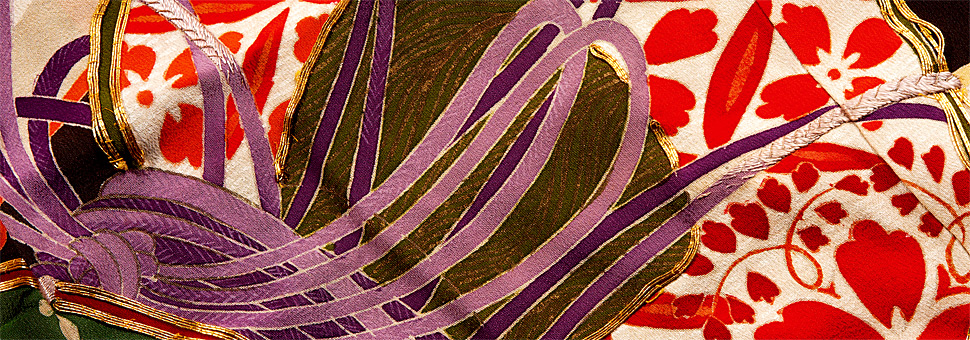

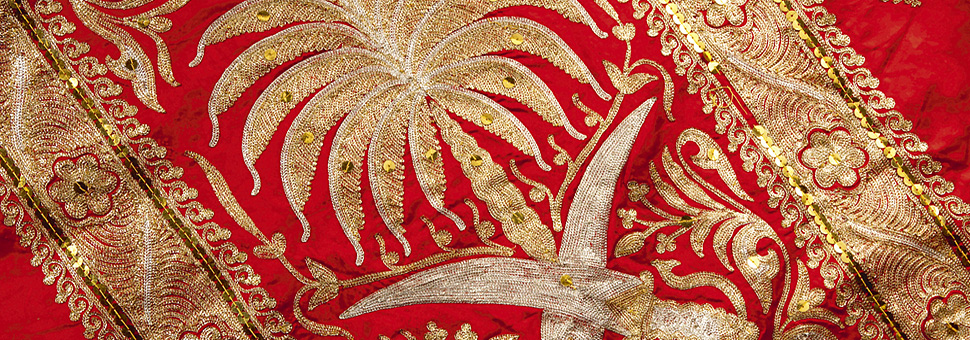
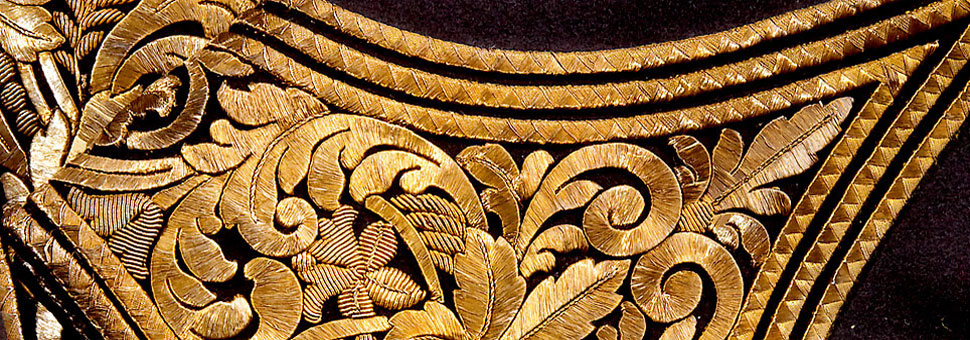
 TRC work on the 25th July 2020: Middle Eastern embroidery. Photogaph: Fatima Abbadi.Fatima Abbadi from Capelle aan den IJssel attended the July 25th July TRC workshop on Middle Eastern embroidery. She sent us the following impression:
"Finally, after months of lock down and online seminars and workshops due to the coronavirus outbreak, on Saturday, July 25, I participated in the long-awaited “Identification of Middle Eastern Embroidery” workshop held by Dr. Gillian Vogelsang-Eastwood at the TRC in Leiden.
Upon arrival at the TRC I was overwhelmed by the smell of coffee, tea and a delicious chocolate cake. We were surrounded by some fifteen boxes of embroideries from Arab countries, such as Jordan, Palestine, Egypt, Morocco, Saudi Arabia, Oman and Yemen.
 TRC workshop on 25th July: Middle Eastern embroidery. Photograph: Fatima Abbadi.Dr. Gillian immediately started by giving a detailed definition of what is embroidery. And how old should this embroidered piece be in order to be defined as an authentic one? Was this craft reserved to the female domain or did men also use to embroider? What were the differences between a regional garment and an urban one and how did people make the change from using natural threads and fabrics to artificial and synthetic ones. All questions that triggered lots of discussion between us making the beginning really exciting.
We dived into history, talking about the oldest known embroidery pieces found in the tomb of Tutankhamun, the history behind the Kiswah embroidery and Mecca, the tent makers in Cairo, the forgotten embroidery patterns of the Qadisha Valley in Lebanon, the Sinai bedouins, the Mamluks and finally the Ottoman influence on Arab embroidery.
Then came the most awaited moment: actually seeing for real many examples of garments with different techniques of embroidery, such as free-style embroidery , gold and silver embroidery, telle metal thread embroideries and couching and passementerie. We dived into the various ranges of garment styles, colours and patterns used in the Arab world, including applied items such as beads, shells, buttons, coins, amulets, etc and their significance.
 TRC workshop on 25th July: Middle Eastern embroidery. Photograph: Fatima Abbadi.Furthermore, I had the privilege to view two rare fragments of embroidery from a children’s tunic dated to about the 5th century A.D. from Coptic Egypt, along with many other pieces dating from the 18th century and later.
Dress in the Arab world has its own language and it is meant to move and interact with the surrounding environment, even to produce sound with all the dangling silver and shells hanging from various head dresses and veil decorations.
Unfortunately, the introduction of hand embroidery machines and of the French DMC embroidery company threads brought about many changes that influenced drastically Arab embroidery over the last 100 years, as did the Industrial Revolution, World Wars 1 and 2, conflicts and war, globalization and commercial contacts around the Arab world.
At the end of the workshop I really wished Dr. Gillian could repeat everything all over again. To me it was like travelling back in time. all the ladies that attended the workshop asked for more of these workshops, let's cross our fingers and see if our wish comes true."