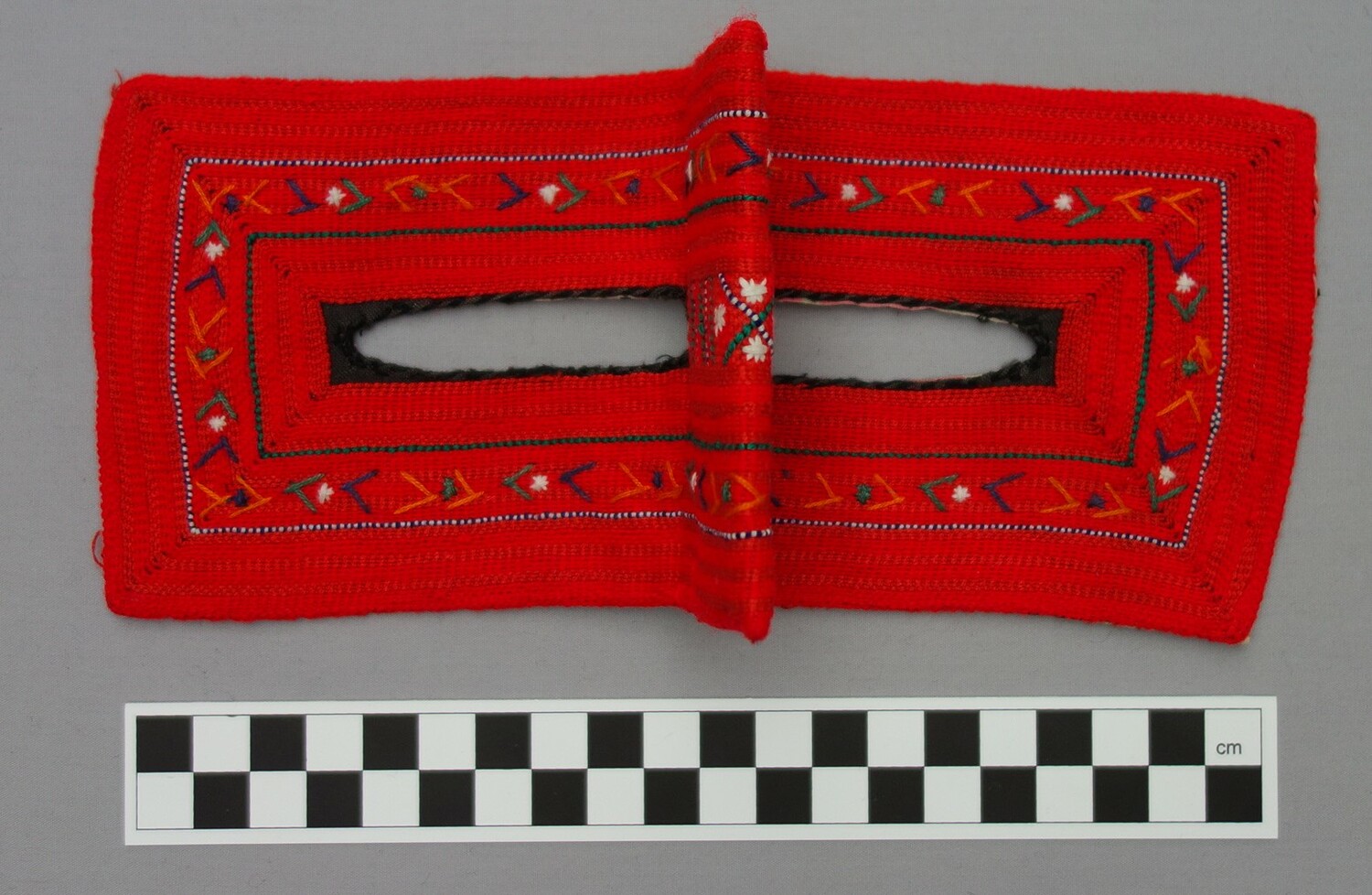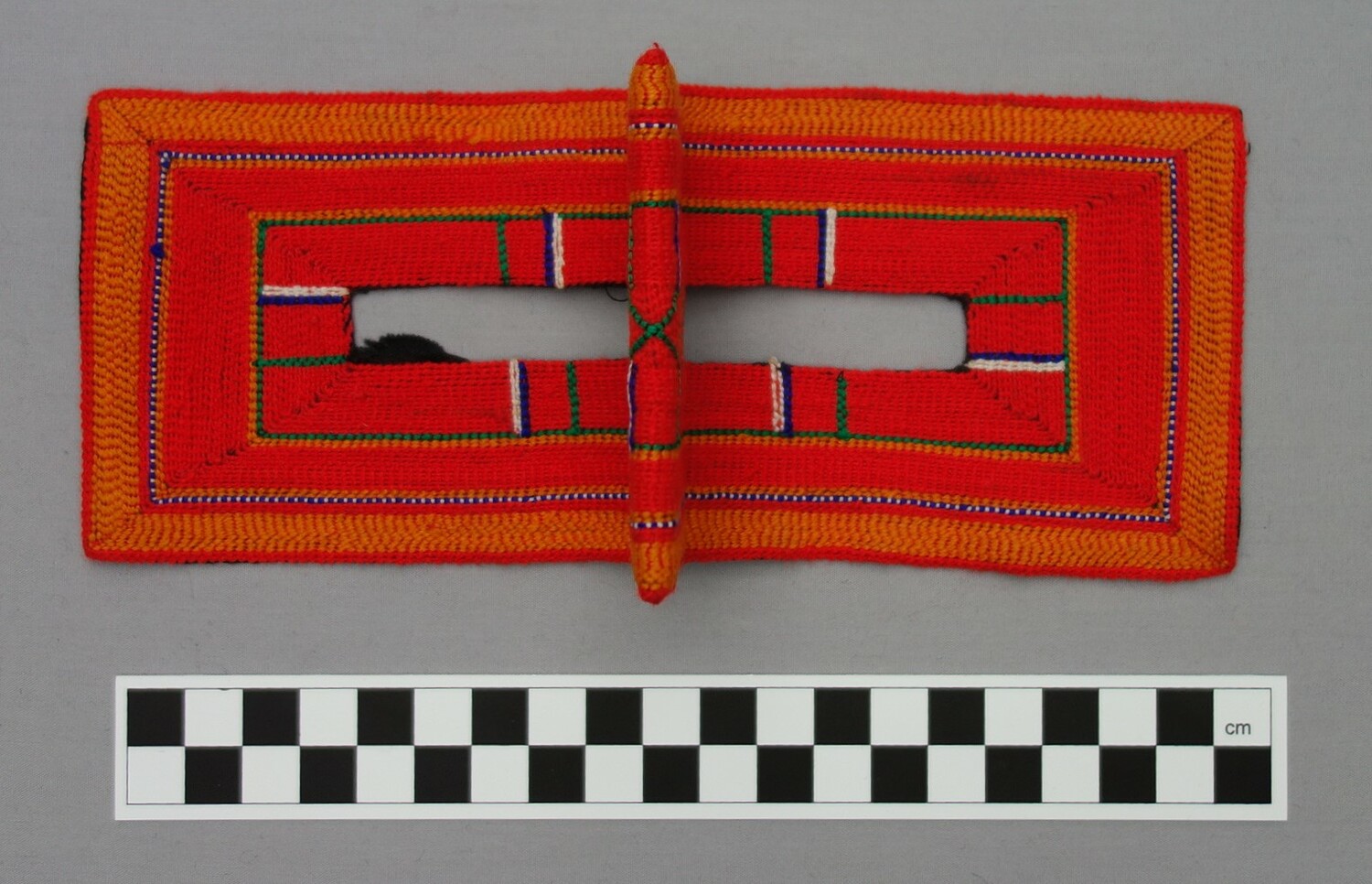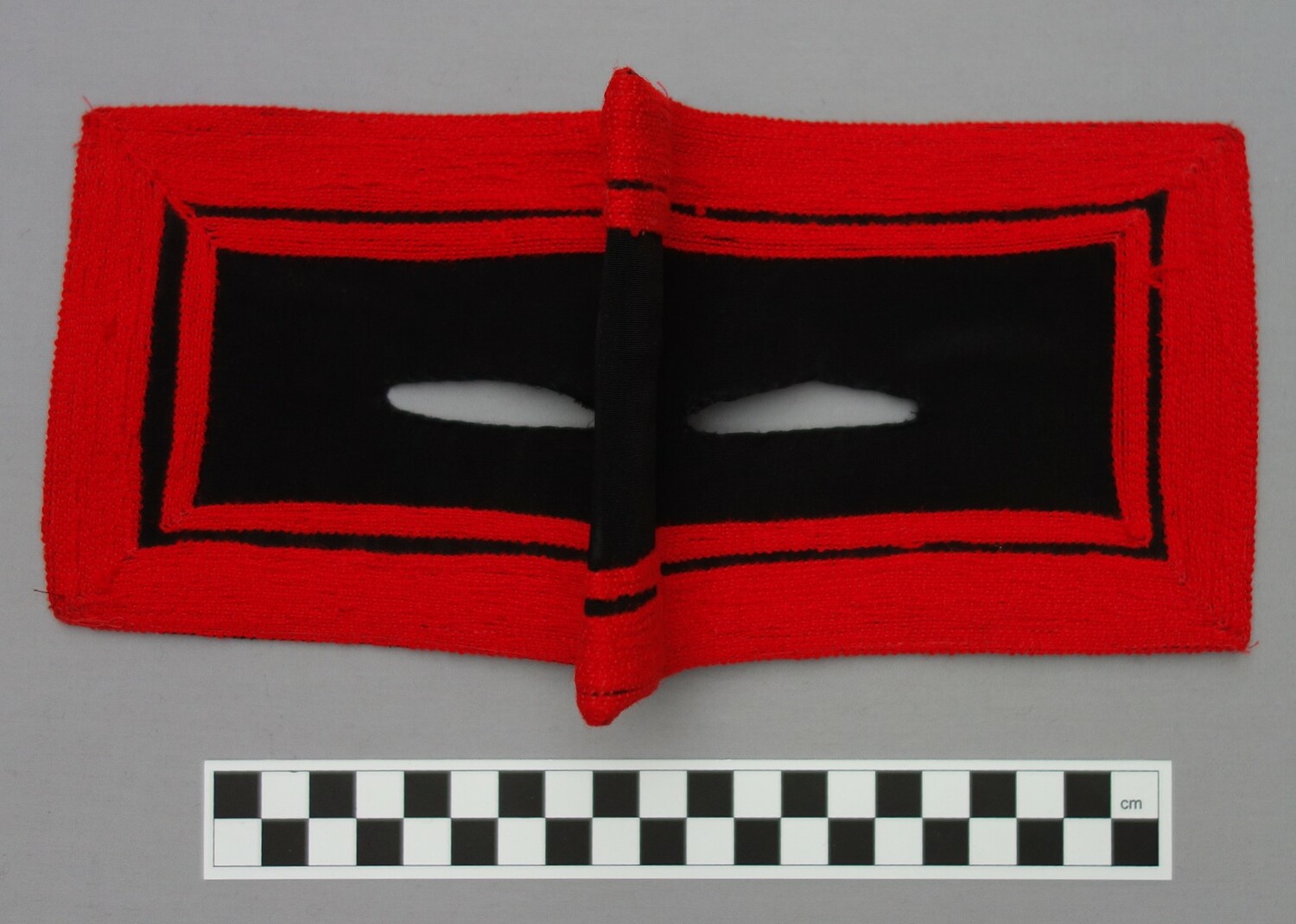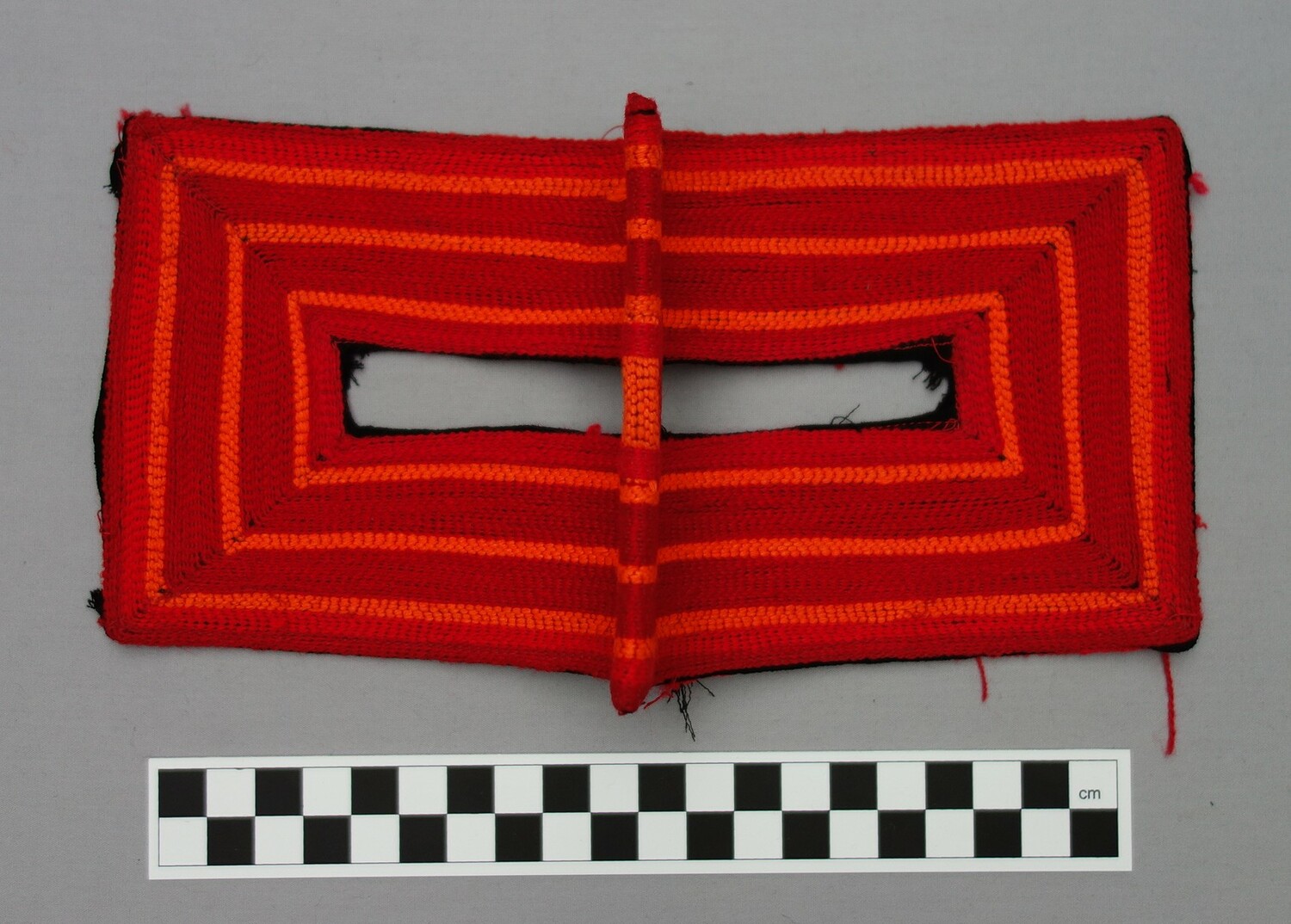

The range and styles of dress in the southern regions of Iran vary quite considerably. As with other parts of Iran over the last century, considerable changes took place in the style of local dress traditions. Many men and women are now wearing pan-Iranian style clothing and want to be associated with this form of dress, which is regarded as modern. As a result, in some regions regional dress has vanished and is regarded as an anachronism. Nevertheless, in other areas, such as in and around the port of Bandar Abbas and the nearby village of Minab, there is still a strong sense of local identity and the wearing of ‘Bandar’ dress is still prevalent.
Arab dress from Khuzistan Province
There are many Arab groups living in southwestern Iran, the largest of which lives close to the Iraqi border. Over the centuries, there have been numerous migrations of Arabs from the other side of Tigris River and the Gulf region in general. In addition, trade has brought other Arabs to the region.
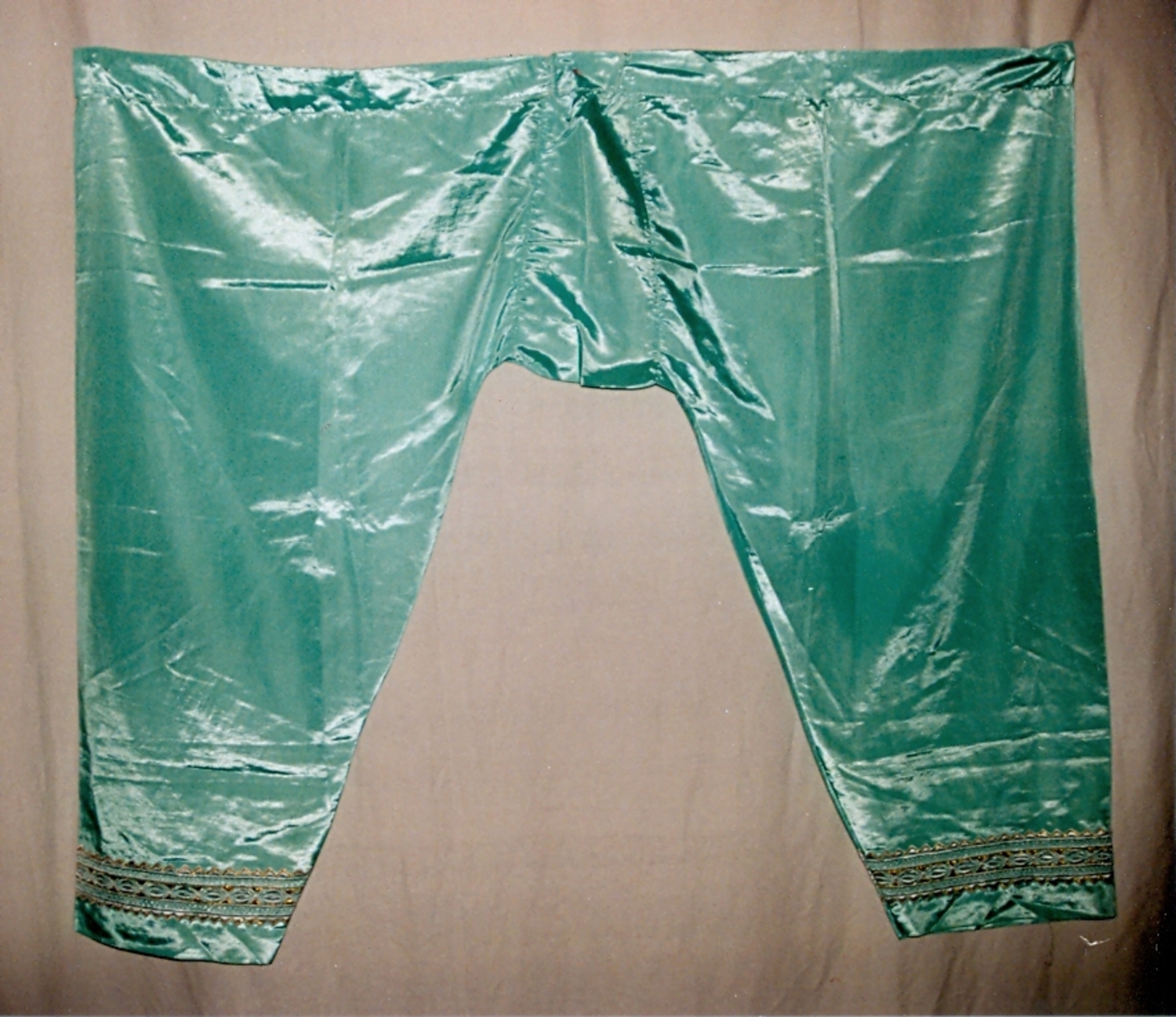
Unlike Arabs living further to the west, Iranian Arab men tend to wear under trousers (šalvār), rather than a hip wrap (lungi). The summer version of these trousers is made from thin cotton, while the winter versions are made from thicker, knitted garments. Over this is worn a gown (dishdasha). The summer version is made from a light weight cotton, while the winter form, again, is of a much heavier material. The basic headcovering consists of a square of cloth folded diagonally and draped over the head. The Iranian Arabs do not wear a headrope (`aqal), so commonly found elsewhere among Arab communities. One of the most distinctive items of Arabic dress is the so-called cloak or aba. Two forms are worn here, namely a light summer version made from loosely woven cotton, and a heavier winter version made out of camel hair (best quality) or wool. As a generalisation, the wearing of an aba is generally regarded as something older men do, especially in the winter time.
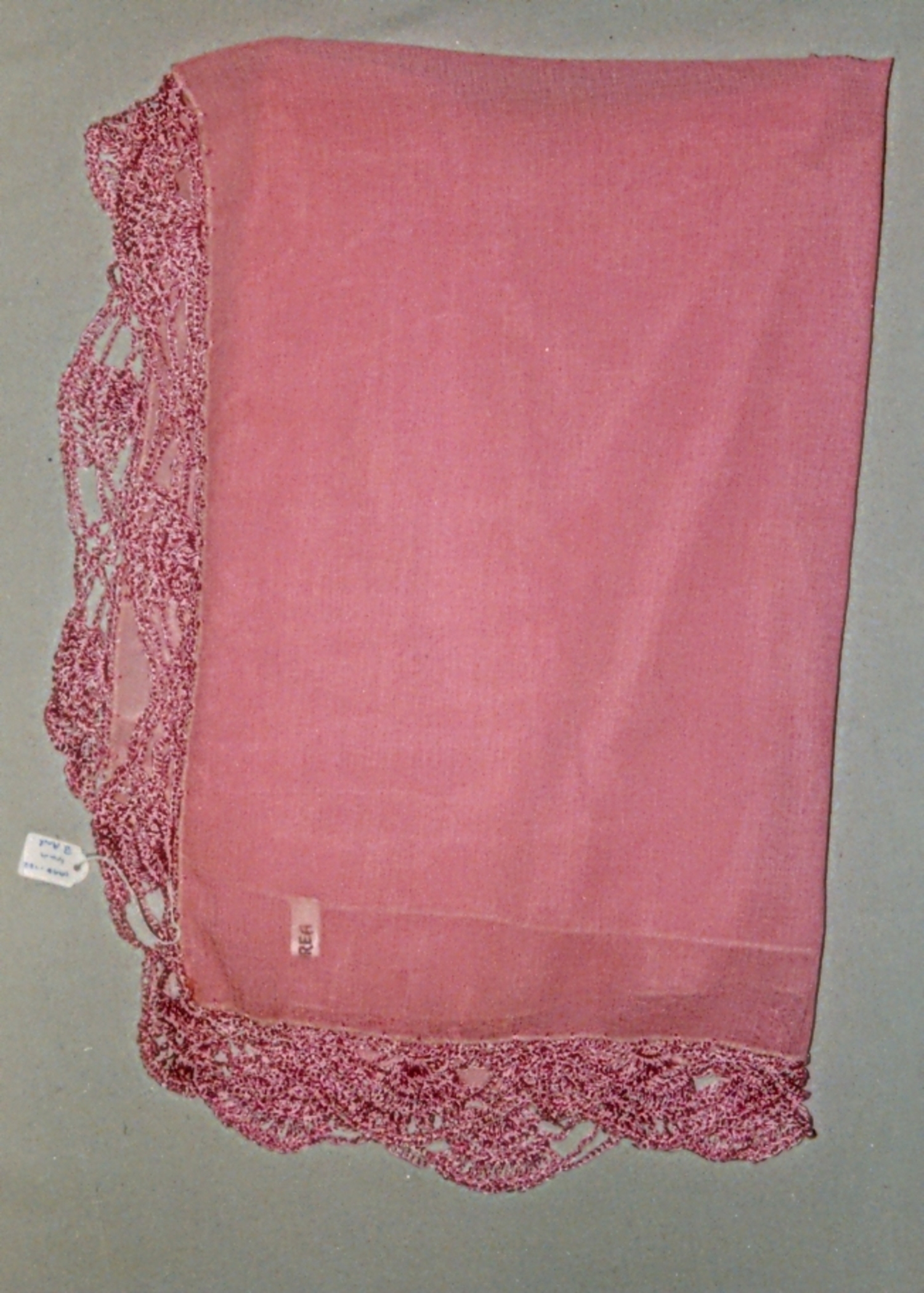
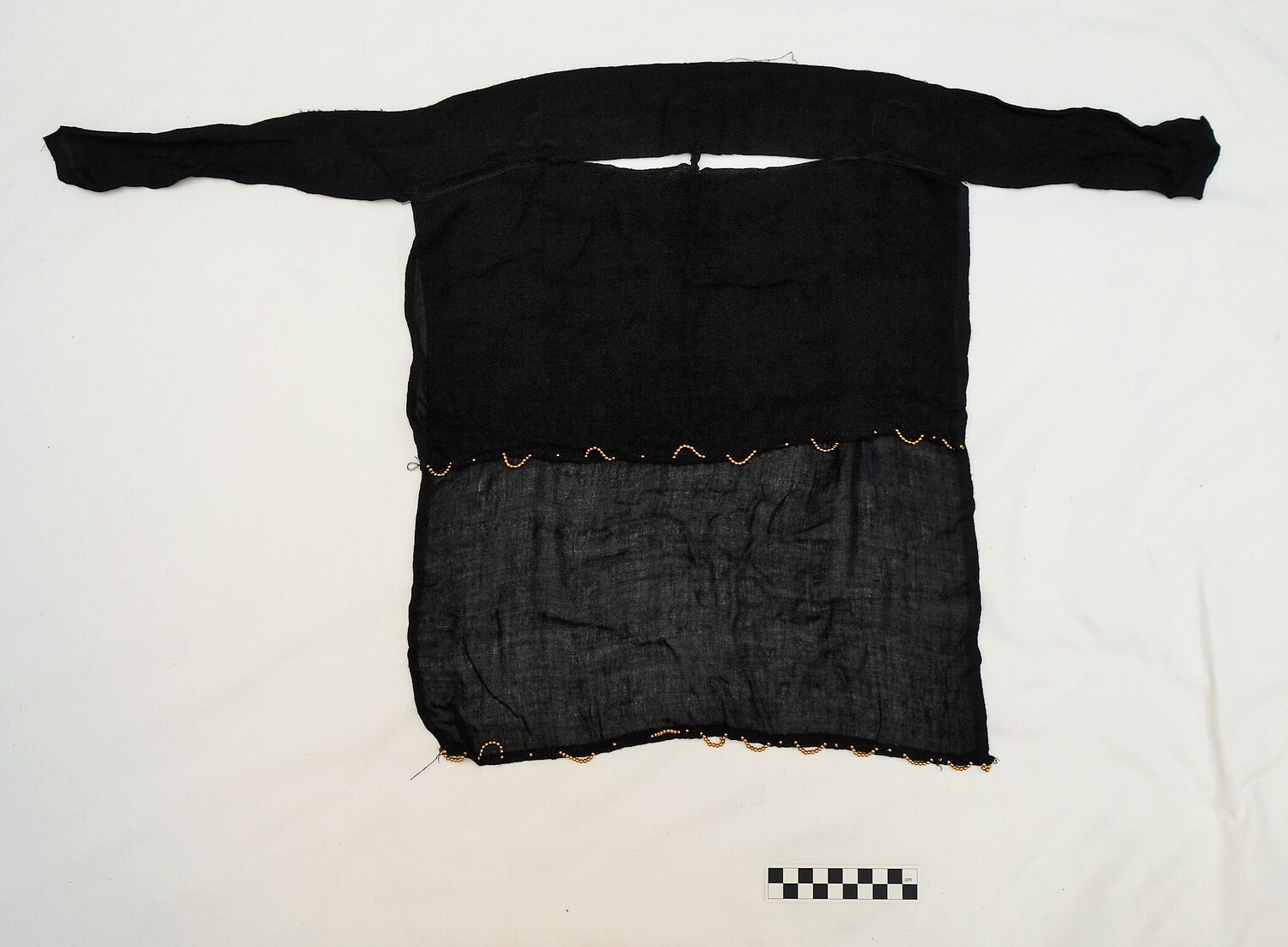
The basic outfit of an Arab woman consists of under trousers (shalvar), a long dress (libas); a loose overdress (sob); a head covering (shelaq/shila) and an outer covering (abaya). The most characteristic element is the sob or over dress, which is worn over the normal dress. A basic sob is made from a large rectangle of cloth with a hole cut out for the head. The sides of the garment are sewn together, with holes left for the arms. The Iranian sob is virtually identical in construction to the tob worn by women in the eastern parts of the Arabian Peninsula. The basic headgear or shelaq is made up of a large rectangle of cloth, which is wrapped around the head, covering the neck and hair. Various forms of cloth are used, but most tend to be made from a light-weight cotton. Younger women tend to wear a light colour shelaq, while older women normally wear black versions. Finally, on top of the indoor garments, Arab women often wear a cloak-like garment called an abaya when out-of-doors. In Iran, these garments are worn over the head in the Iraqi manner, rather than on the shoulders as is common in, for example, Saudi Arabia.
Bandar dress from the Province of Hormozgan
The people living along the Iranian shores of the Persian Gulf are often loosely known as Bandaris, from the Persian/Arabic word ‘bandar’ for port or harbour. The Bandaris tend to be of Arab, African, Baluchi, Indian, Iranian or even European descent. Bandar garments are sometimes closely related to dress styles from parts of the west coast of the Arabian Peninsula. This is not really so surprising, as the Ras-al-Jibal promontory of Oman is only 85 km across the Persian Gulf. There have always been very close trading links between India, Iran and Oman for centuries.
Men’s dress from Bandar
The traditional male dress in the Bandar region is very similar to Baluch style clothing, from further inland, and consists of a shirt (juma) that reaches below the knee and is fastened with buttons on the right side of the neck. The shirt is worn over loosely cut trousers (shalvar). On the head is worn a small white or coloured cap (kulah) and over this is wrapped a length of cloth (lang, languta) which is about two metres long. Older men tend to use white (ratrah) or striped cloth, while younger men use coloured material.
Women's dress from Bandar
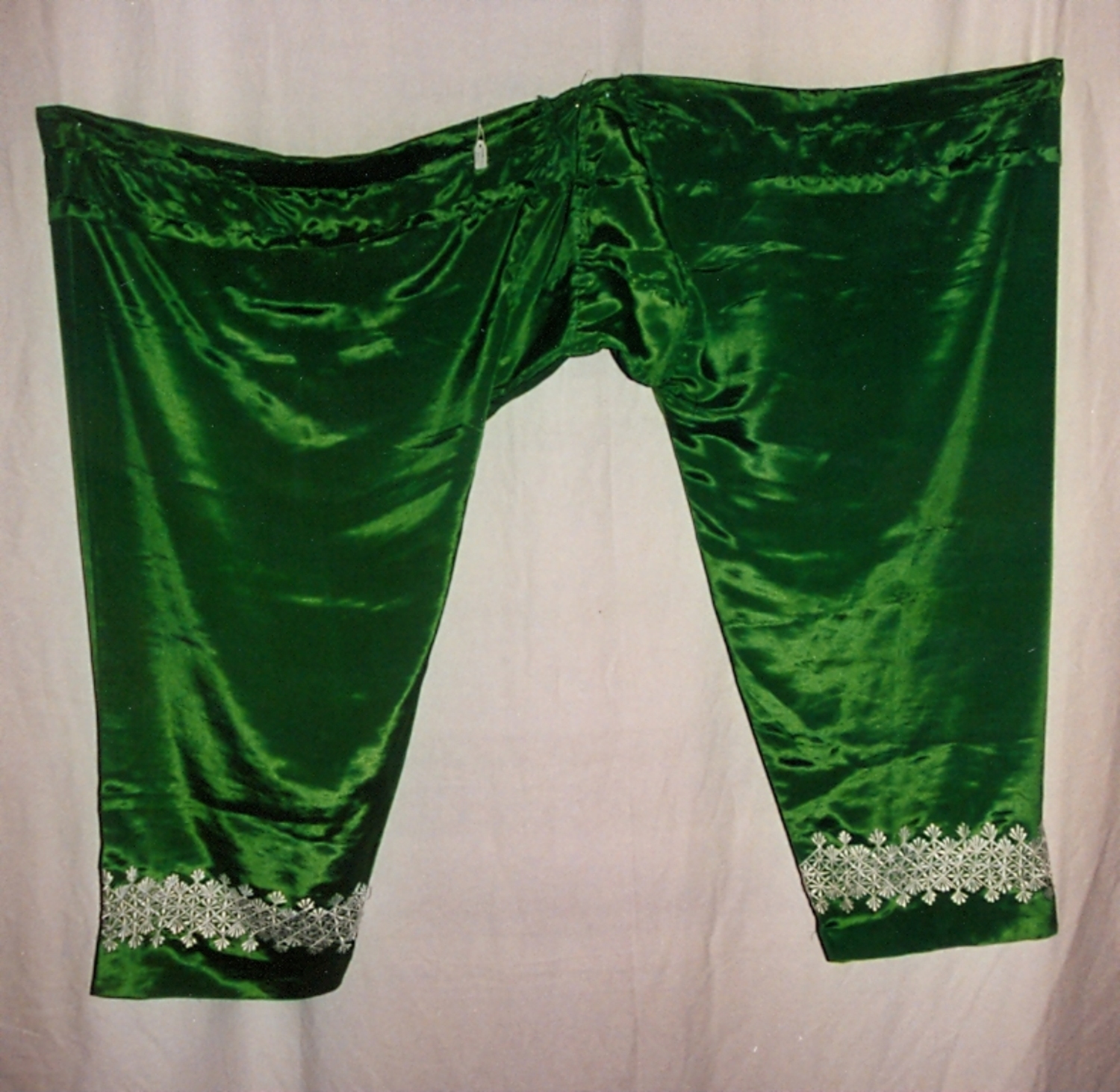
The Bandar region is famous for the embroidered trousers (shalvar) worn by the women. The trouser cuffs used to be decorated with hand embroidery, and the design used to reflect the locality where the wearer came from, but nowadays most women wear whatever design they prefer.
The basic garment worn over the trousers is a dress (kondura). The older style dresses are made in coloured cotton, which are either waisted (gavan style) or cut full (dara'a). The head covering is normally made up of a rectangular (c. 70 x 100 cm) scarf of thin black material (makna). Over all these garments, women generally wear a large, semi-circular chador, which is made from a very light weight cotton.
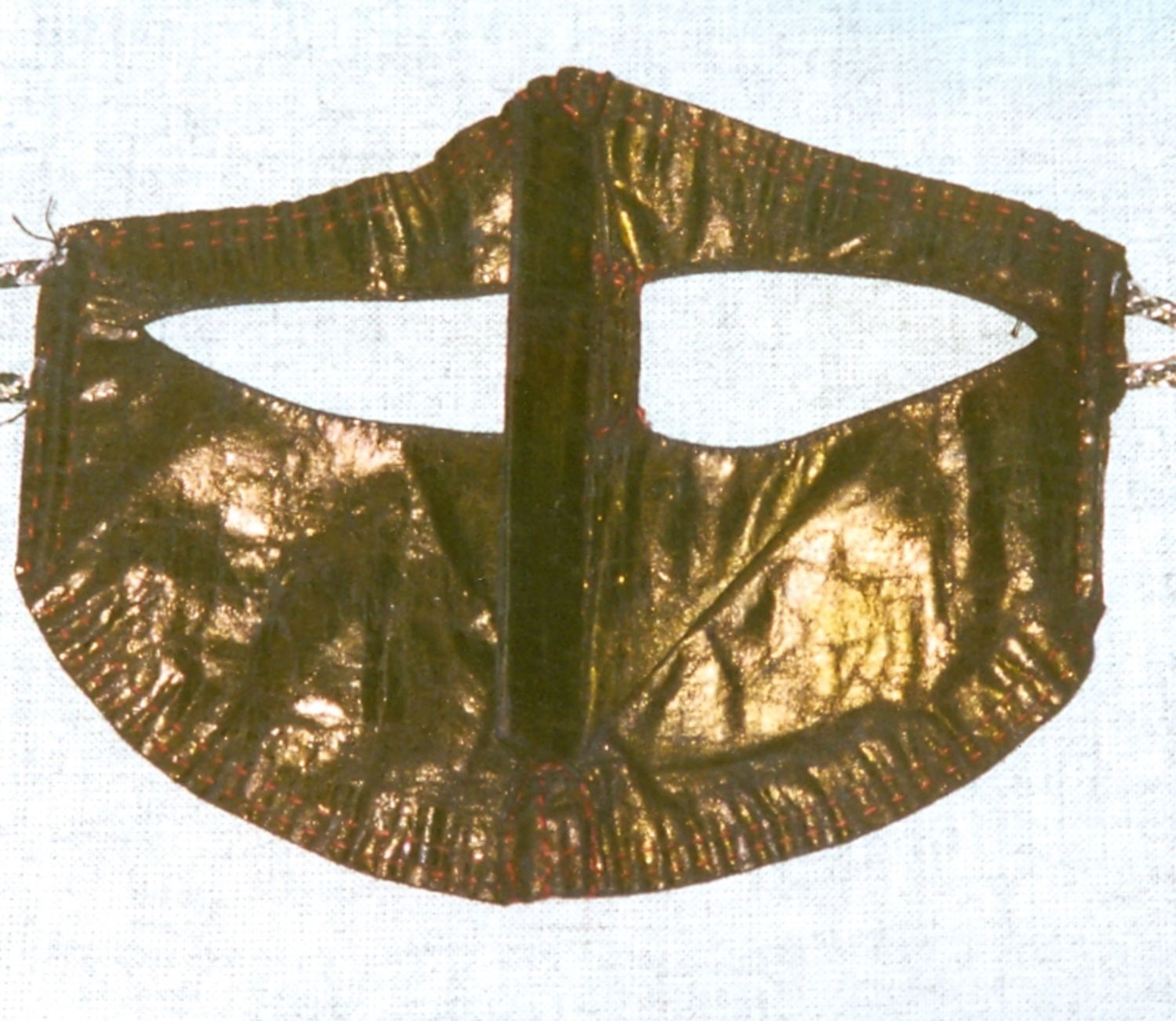
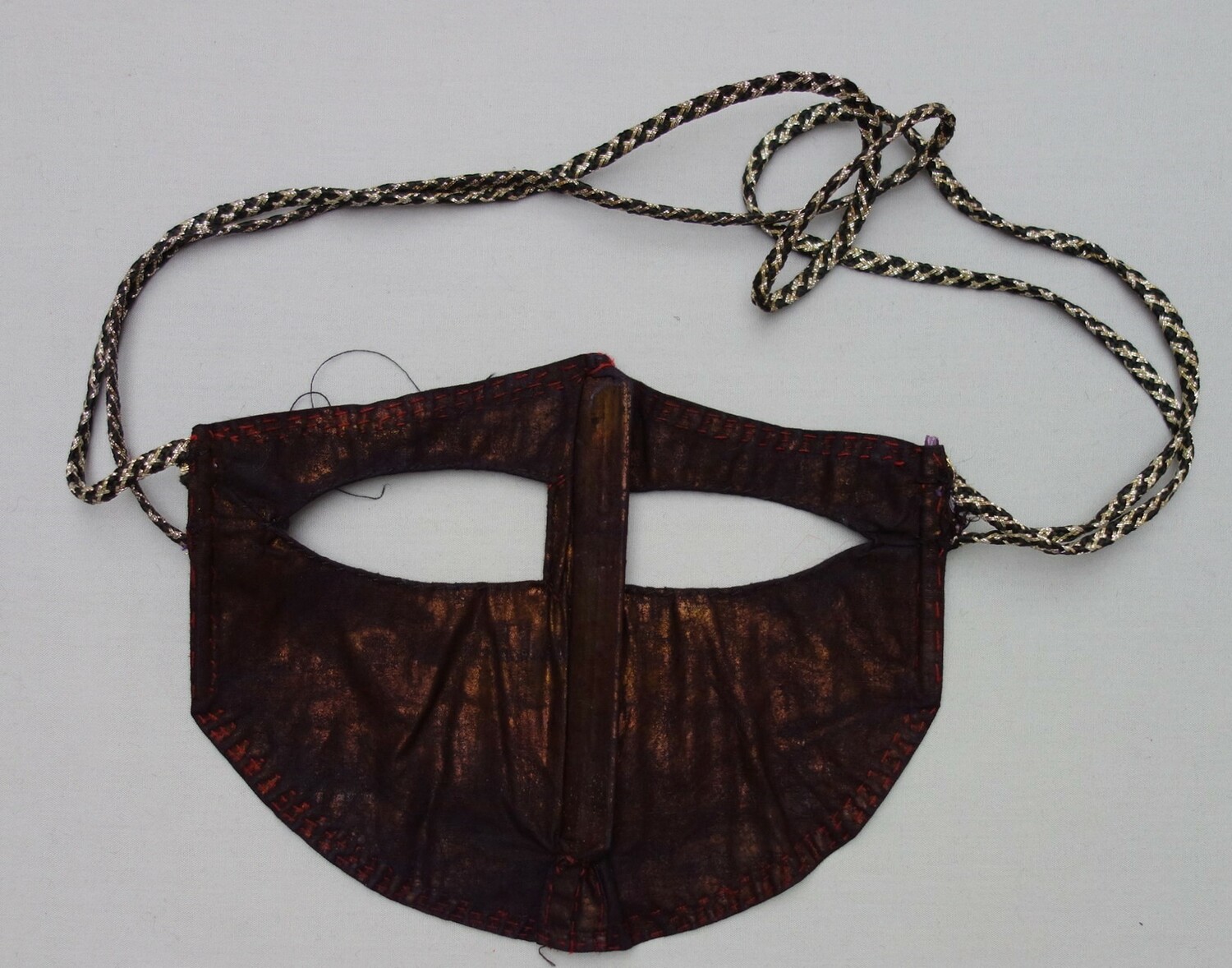
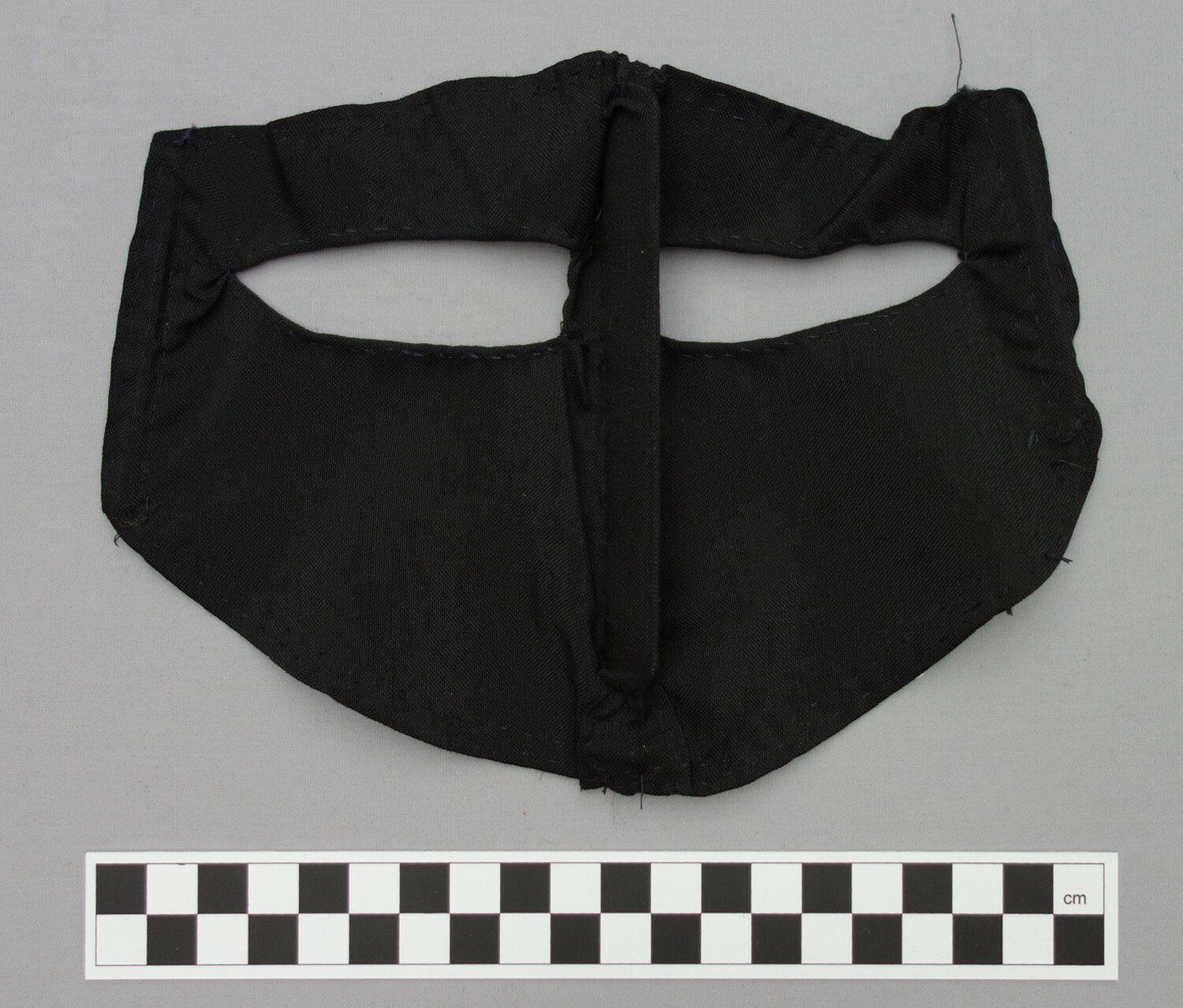
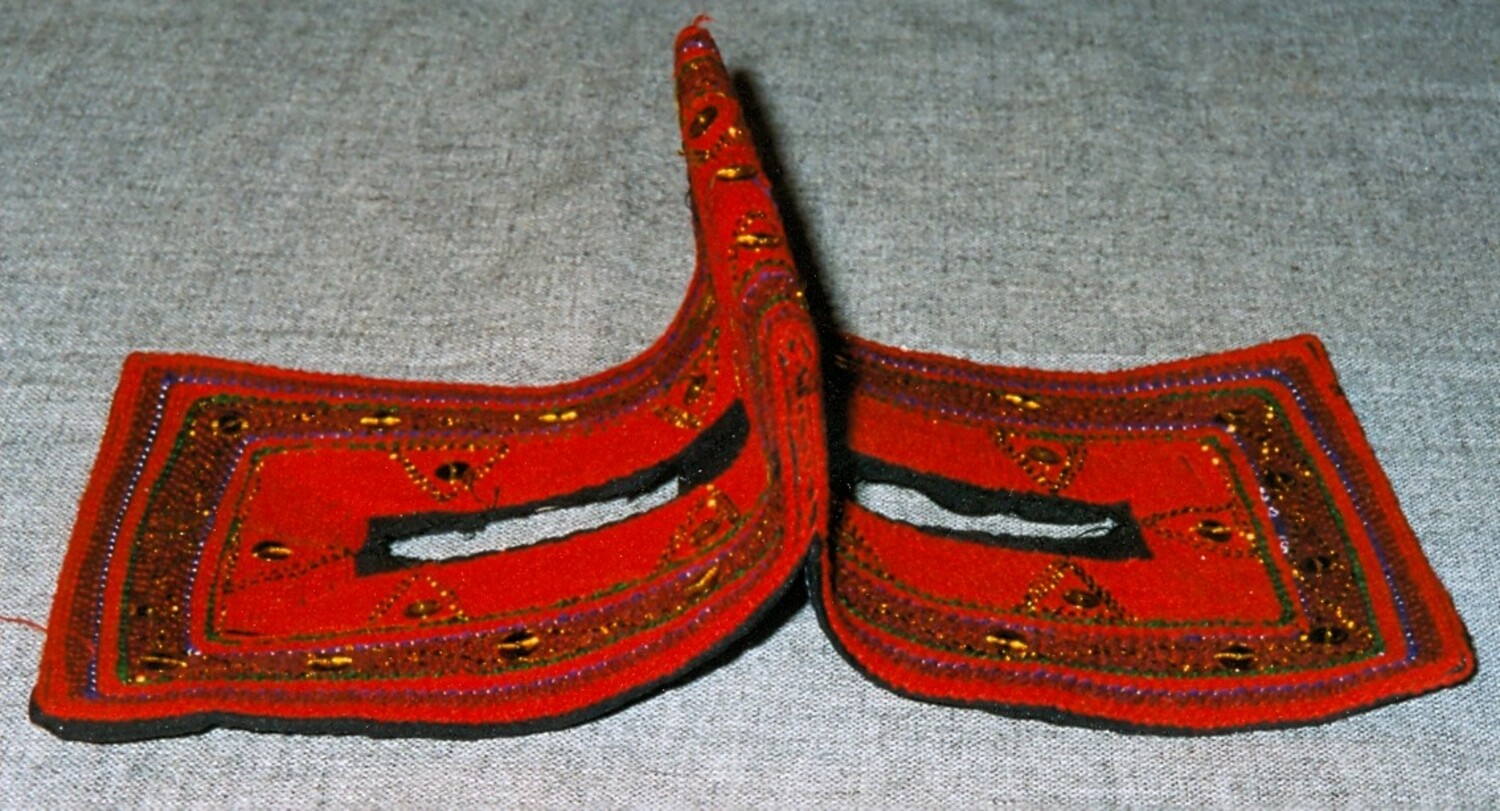
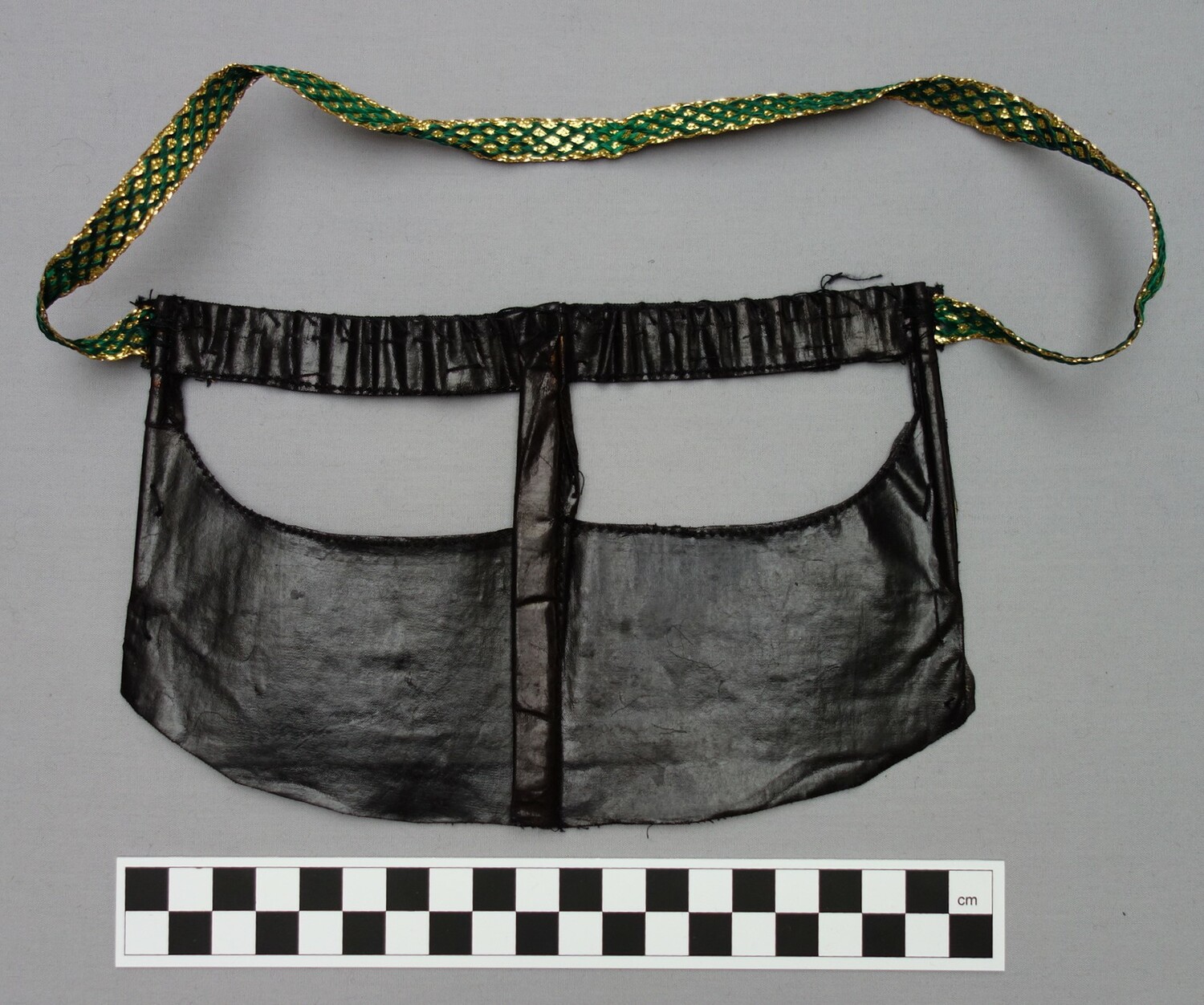
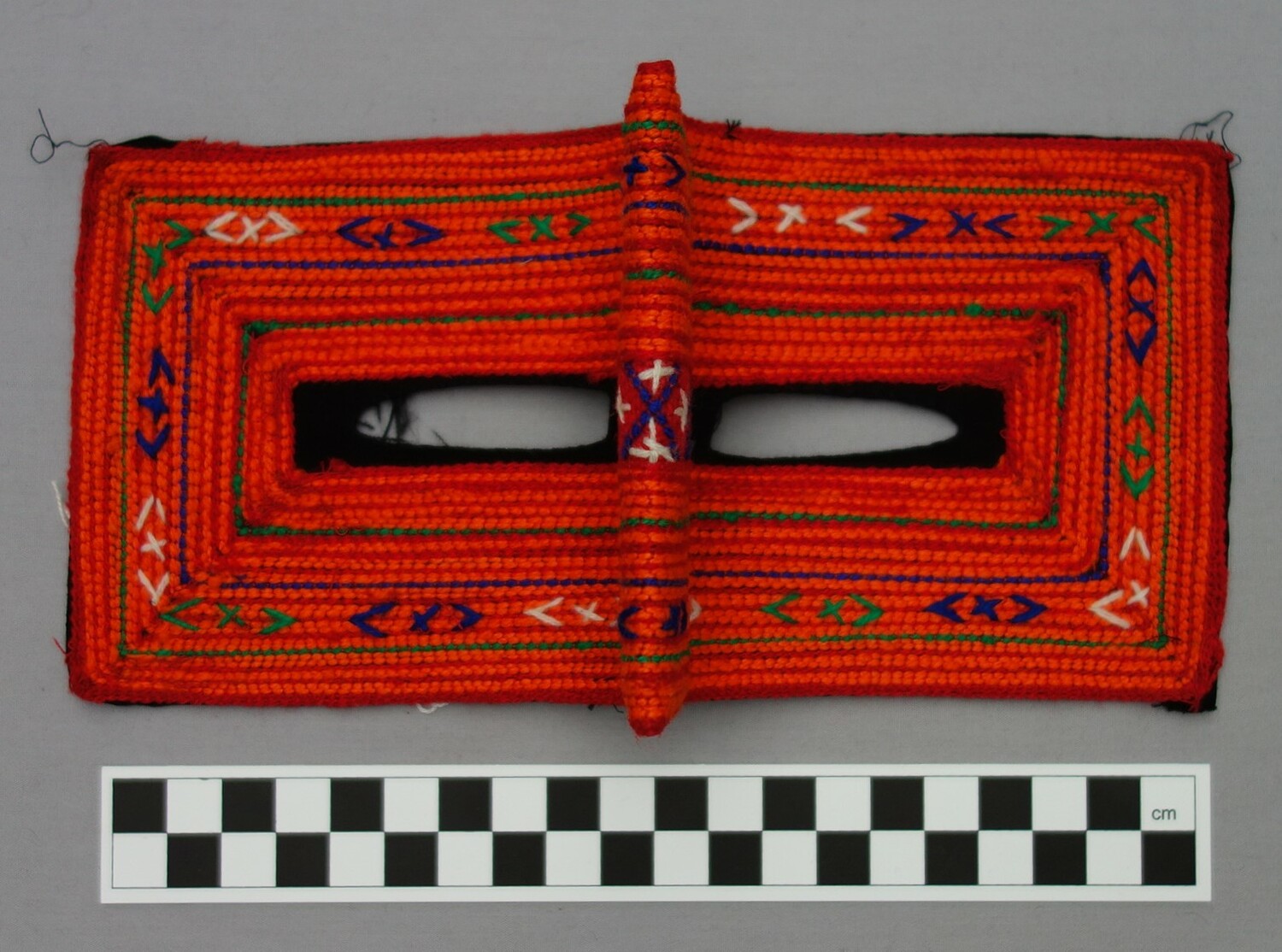
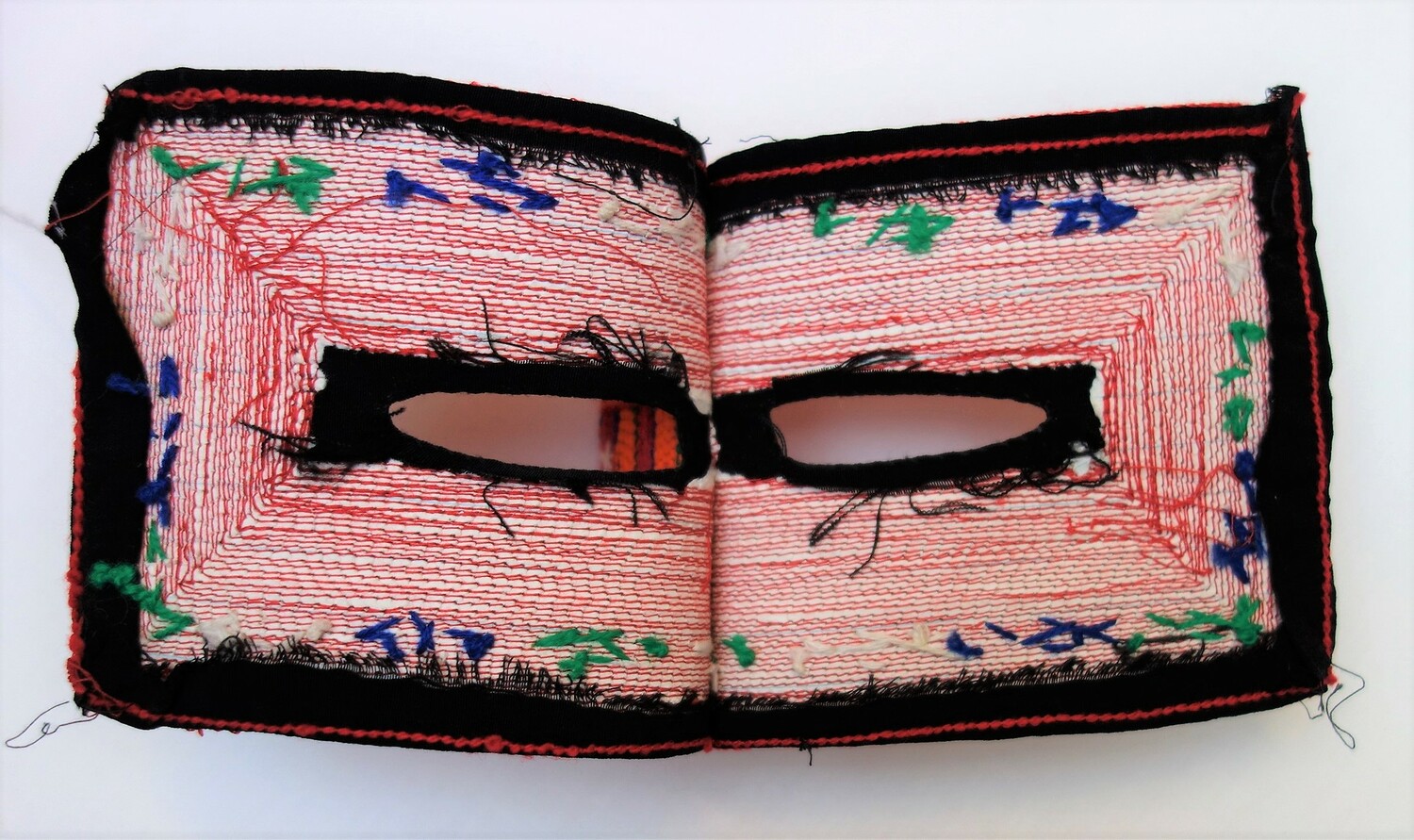
Perhaps one of the most widely known aspects of Bandar dress are the various types of face coverings. The type of face veil worn by a Bandar woman depends in the main on three factors, namely (a) her religious background (Sunni or Shi`ite), (b) her ethnic origins, and (c) where she lives. Many Shi`ite women in the Bandar region, for example, wear bright red, rectangular masks of the battulah construction that only covers the part of the face around the eyes, locally known as a burqa`, and decorated with various patterns. Originally these were hand worked, but nowadays most are decorated using machine embroidery. The colour and designs provide information as to which ethnic group the wearer derives from. Sunni women of Arab origin in the Bandar region sometimes wear a type of battulah. The main form of battulah that they use is squarish and rather long in shape. It is made out of black cotton or black velvet, or cotton cloth smeared with indigo and then polished until it adopts a golden hue. This golden coloured type of (Sunni) veil is similar to that worn in parts of Qatar, on the other side of the Persian Gulf.
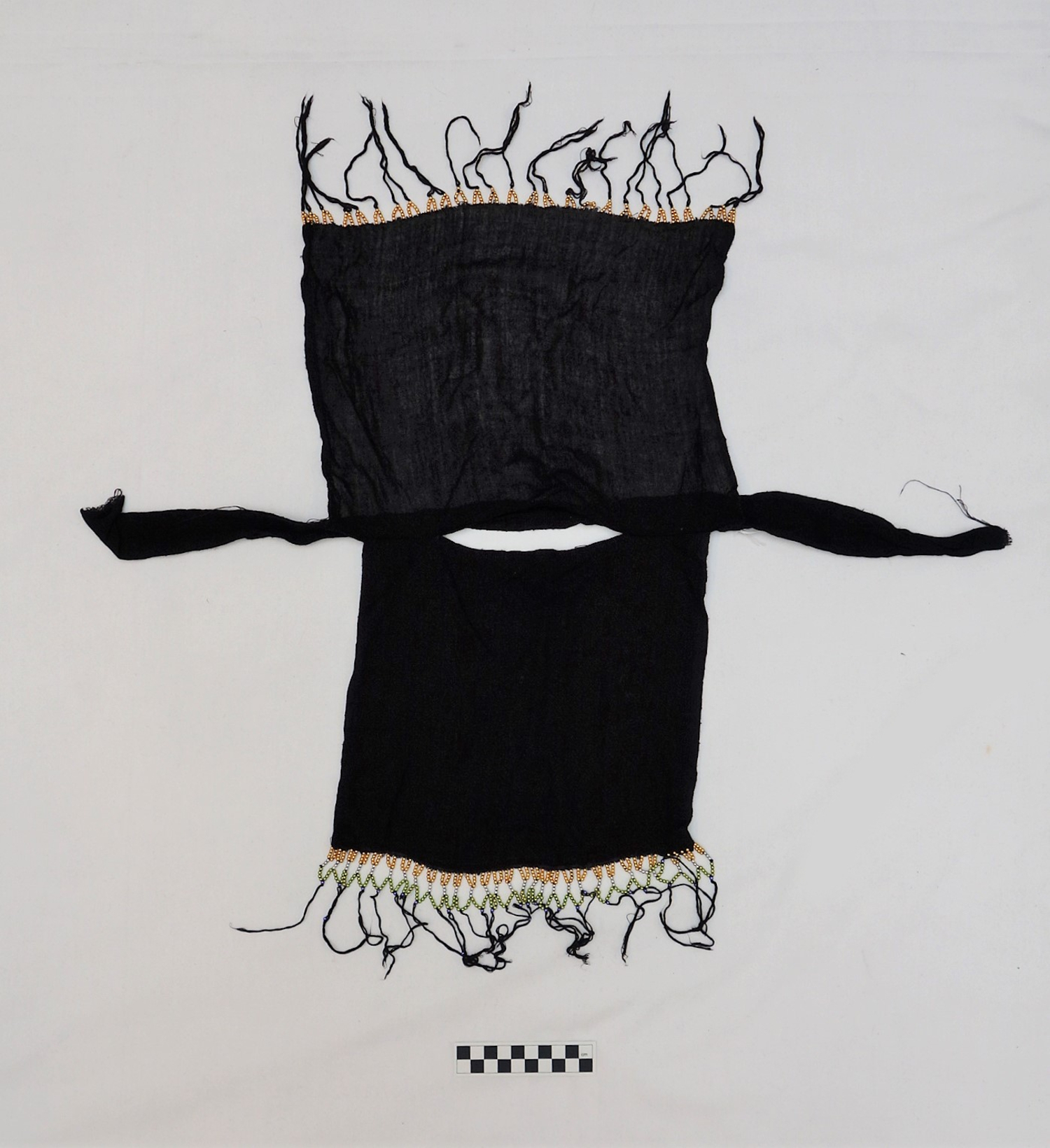
Some Sunni women in the Bandar region wear a black niqab style face veil. They are usually in a loosely woven, black cotton material. They are made from two layers of material with a small slit for the eyes. These veils are very similar in form and size to the more pan-Islamic niqab.
Lamerd
The town and district of Lamerd lies in Fars province, not far to the north of the Persian Gulf. Because of the nearby natural gas resources recently discovered, it is now at the centre of attention and economic development. However, it used to be just a small village near the southern port city of Bushire. Consequently, local clothing shows influences both from the Bandar region along the Persdian Gulf in the south, and from the nomads in the north. Women’s clothing includes the black (Sunni) headscarf worn by the Bandar women and Arabs, while the colourful dress with long slits on both sides is similar to that worn by the women of the nomadic tribes. The very distinctive garment of the Lamerd area is their long skirt with special decoration on the lower part.