
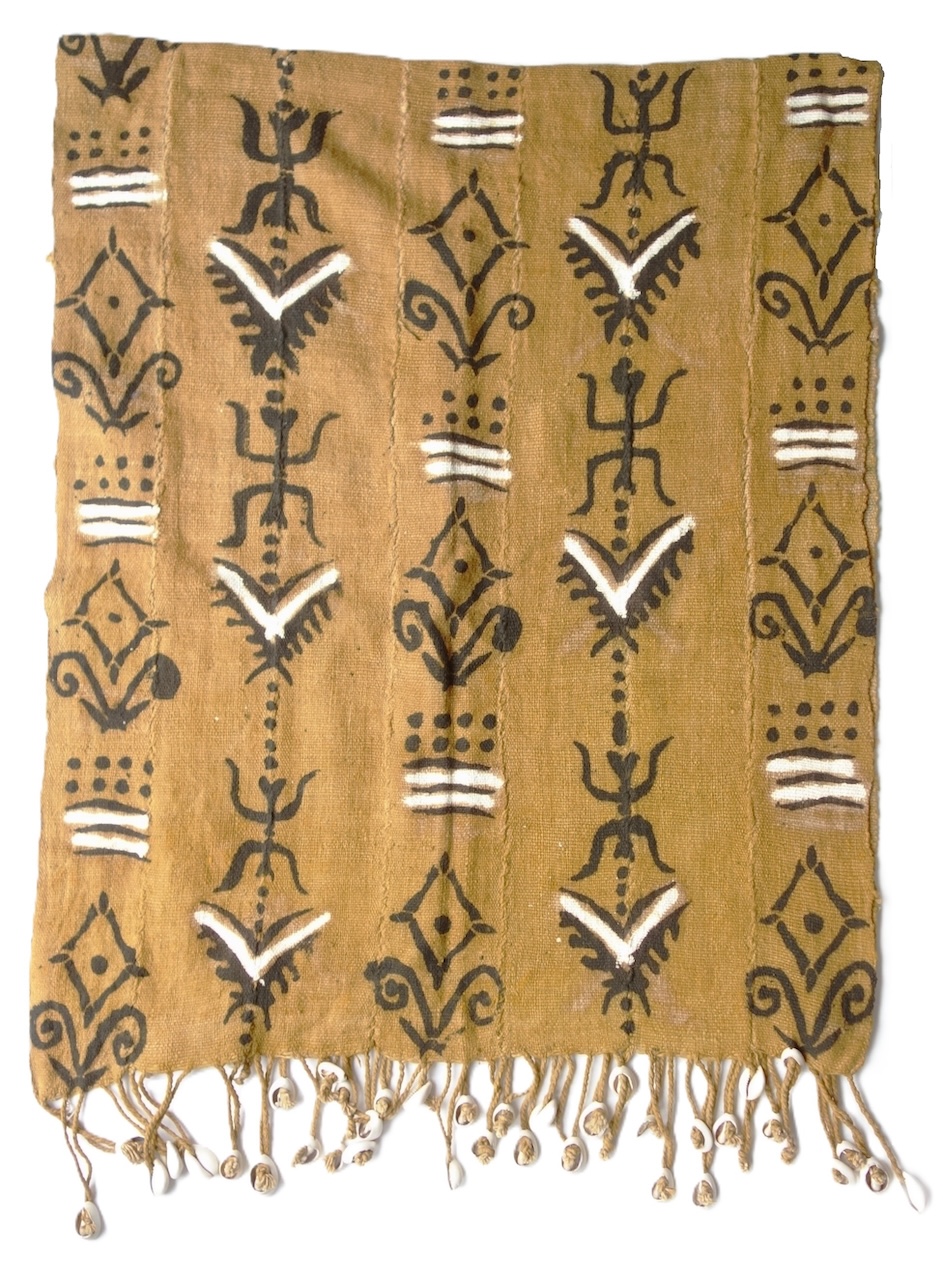
 Length of cloth made from strips (15 cm) of woven cotton, dyed brown and then painted with various motifs. The fringes are decorated with white cowrie shells. Mali? (TRC 2026.2254).It is noticeable, since we moved to our new home on the Boerhaavelaan, that we have been increasing our international links and connections. We are welcoming more and more visitors from all over the world – just the other day we had a guest from China wanting to know what we did, while upstairs a researcher from Indonesia was looking at part of our Indonesian batik collection. We have also recently had several visitors from Iran as well as the USA and Canada, not to mention home-grown visitors from The Netherlands. We also currently have interns and student volunteers from Belgium, Lithuania, and Korea (she is studying Indonesian textiles) all adding to the international mix at the TRC.
Textile fellowships
Thanks to the generous help of the Gieskes-Strijbis Foundation, Amsterdam, the TRC has a three-year fellowship programme for the study of textiles and dress, based on the TRC Collection. The first fellow, Flora Kovacs Wester, is Hungarian, lives in The Netherlands and carries out research on kasuri, a Japanese resist-dyeing technique. Earlier this year we announced a second round of fellowships and there were 39 applicants from literally all over the world. We appointed two junior fellows and one senior fellow, who will be working on different aspects of the TRC Collection. We hope to welcome them within a few weeks. These fellowships are certainly causing ripples in the textile world. The third round of fellowships will be announced shortly and we expect even more interest in this fellowship programme.
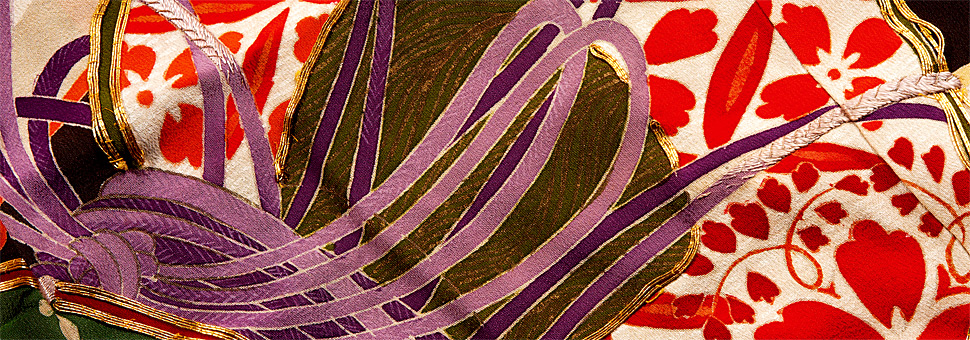
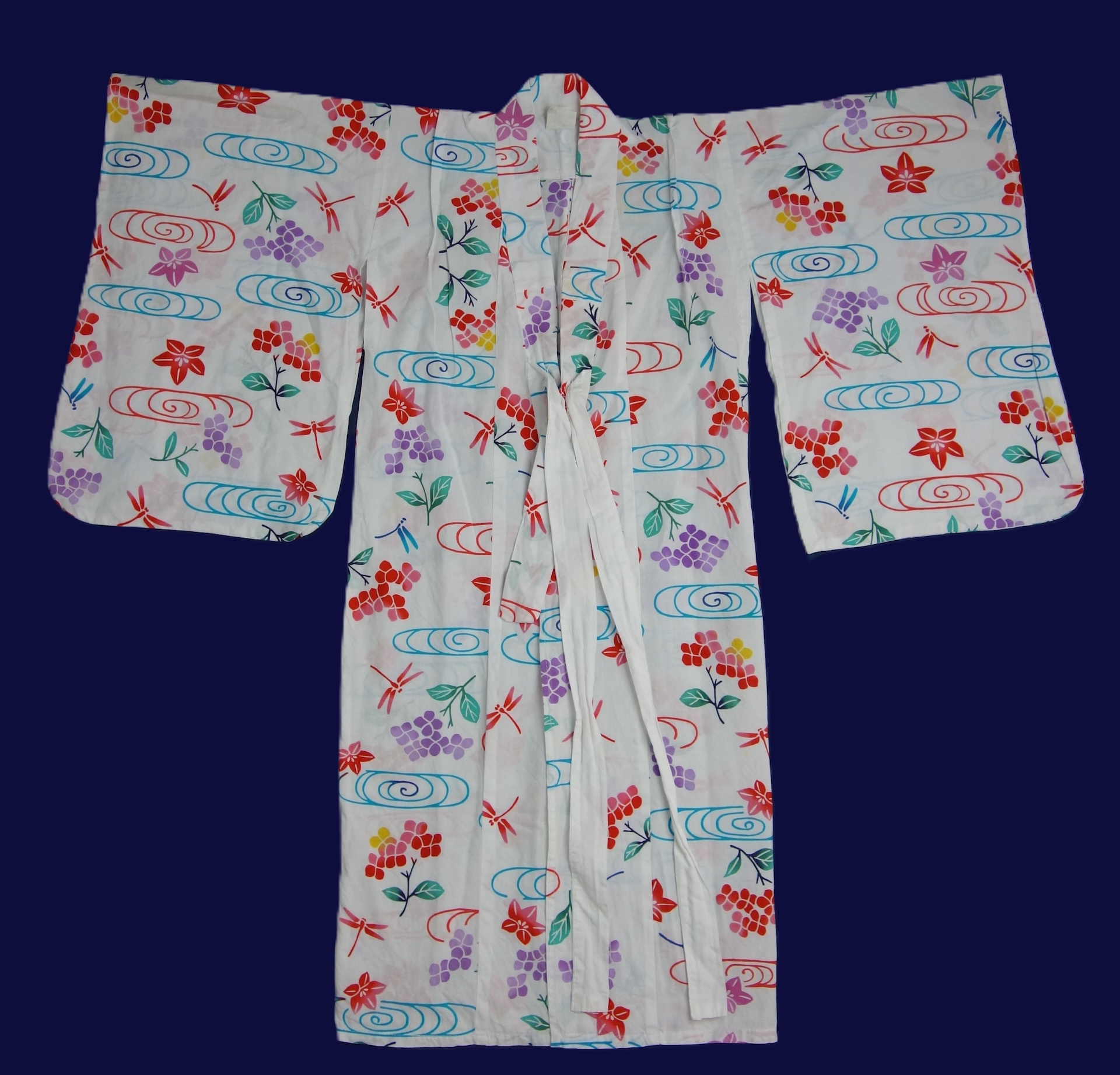 Kimono (yukata) for a child from white cotton, late 20th century, Japan (TRC 2026.2140).
Outreach
But we are also involved in reaching out to institutes and groups outside of The Netherlands. Just recently, and upon invitation, my colleague and TRC curator Augusta de Gunzbourg attended a textile conference in Uzbekistan that was organised by UNESCO. A blog about her visit can be downloaded here. Augusta gave a talk about the work of the TRC and was able to discuss with many of the delegates their activities and the TRC’s work within the field of knowledge preservation and education, as well as potentially becoming involved in several international exhibitions on various textile themes. At the end of October I am attending, also upon invitation, a three-day textile conference being held in Tbilisi, Georgia, which is being organised by the Tbilisi State Academy of Art and the EU Erasmus network, and I will be giving a talk about the work of the TRC, and equally importantly, I want to hear what other groups are doing and talk with colleagues from other institutes about how we can work together.
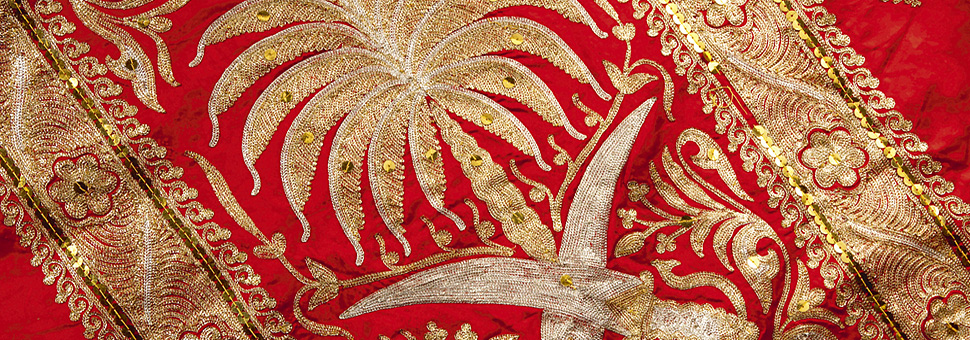
 Beaded panel from India, 20th century (TRC 2026.2229).
Turkish connections
Thanks to the donation of the Criel Ottoman Turkish and Regional Textile and Dress Collection, the TRC is working hard on building up co-operation with various Turkish groups both here in The Netherlands, and indeed in Türkiye itself. As noted in recent TRC blogs, we have been working with the Turkish community here in Leiden. and especially the Stichting Guney (Leiden). Last week, for example, we had the opening of the ‘Sacred Textiles from Medina and Mecca’ exhibition, attended by the Turkish ambassador-designate as well as the Cultural Attaché and other staff of the Turkish Embassy. Many members of the Leiden Turkish community came to the opening and we are forming a working group to catalogue, photograph and add details to the TRC/Criel collection.
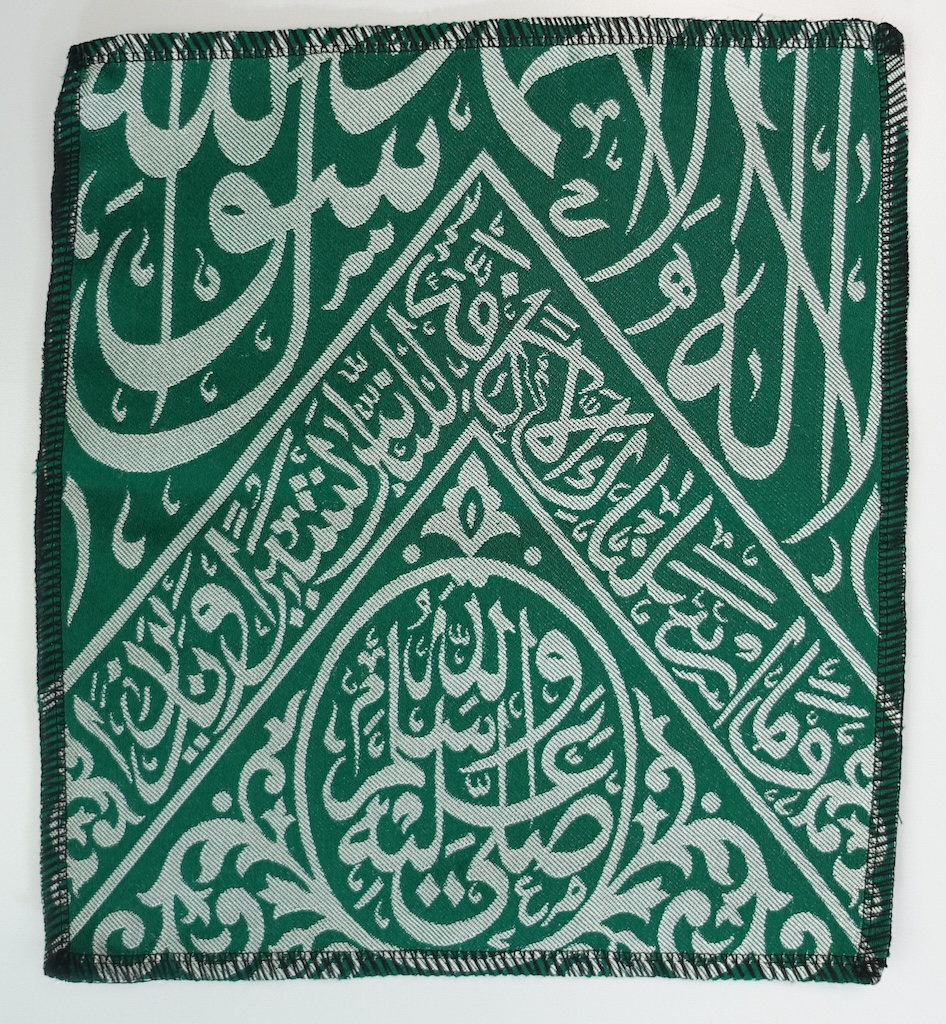 Woven cloth with woven text, from the southern wall of the Tomb of Mohammad, Medina, 2025 (TRC 2026.2224).As part of improving the accessibility of the Turkish collection, and adding more information to the collection database, I contacted the Turkish Cultural Foundation (USA), who put me in contact with Prof. Recep Karadag, of DATU – the Cultural Heritage Preservation and Natural Dyes Laboratory, Istanbul. Since then, we have had various conversations about how we can work together – they are particularly involved with fibre, weave and dye analysis. We have the textiles, they have the laboratory! All being well I shall be going to Istanbul in December to talk personally with Prof. Karadag about what is possible.
Iranian collection
The TRC also has a large Iranian regional dress collection that was made between 1999 and 2003 in Iran by my husband and myself. It is regarded as one of the largest collections of regional dress outside of Iran. Just recently we have had visitors and enquiries from various researchers, scholars and makers about using the collection and adding to the information database (all open-access). An Iranian PhD student may come to Leiden to work on the collection. So as in the case of the Turkish collection, we want people, in Leiden, the rest of The Netherlands, and abroad, to hear about the TRC collection and make use of it. That's what the collection is for. And yes, all these people are also strongly invited to share their insights and knowledge with us (and add it to our ever-growing database).
Dr. Gillian Vogelsang-Eastwood, Director (28 September 2026)