• F2
  • F1
  • F3
  • F4

A few days ago Danni Wang and two friends came to the TRC, all of whom were dressed in Hanfu, they looked so different, ‘exotic’ and yes, that is the whole point.

What is hanfu?

Hanfu literally means ‘Han Clothing’ and has become more and more popular over the last 20 or so years with many Chinese both in China itself and the diaspora, as well as by others who love Chinese history and culture. I first encountered hanfu when I was in China in 2018 attending a conference at the National Silk Museum, Hangzhou, https://www.trc-leiden.nl/trc/index.php/en/blog/695-national-silk-museum-hangzhou-china

I saw several men and women wearing hanfu and they looked so much more interesting than some of their companions. It piqued my own curiosity about this clothing development.

But what is hanfu?

Basically, Hanfu literally means ‘Han clothing’ or Hanzhuang (Han attire) and refers to the Han Chinese ethnic majority, who were the dominant force in China for over four thousand years until the end of the Ming dynasty (1368-1644) and the establishment of the Manchu dynasty (1644-1912).

Manchu related items such as the qipao (chengsum) and much later the Communist-inspired the Mao suit (inspired by Japanese school uniforms), not to mention Western-style clothing and fashions, are regarded as the antithesis of hanfu. Hanfu and the wearing of it is about being Han Chinese and for many re-discovering their cultural heritage, roots and identity.

As with so many clothing forms, Han Chinese fashions, materials and designs have changed over time and there are different forms depending on social position (farmer, merchant, warrior, priest, emperor, etc), economic means, religion, as well as what was locally available (trade, economics), and the politics of the period. Basically it consisted of a tunic and skirt for women, and a long gown for men, although some garments, especially when horse riding, could be worn by either. But this is a simplification of a complex subject full of nuances!

In March 2024 the TRC presented an exhibition about traditional Chinese dress forms that included Han, Manchu, and Mao garments from the TRC Collection https://www.trc-leiden.nl/trc/index.php/en/blog/1622-opening-chinese-dress-exhibition

We did not include any Hanfu examples, something we will change in the future as it is part of the development of Han Chinese dress traditions.

Hanfu book

But why had Danni and her companions come to the TRC? Danni wanted to present to the TRC a copy of a book called ‘Hanfu – A Visual Primer of Historical Han Chinese Attire, by Jieyu Yan and Jason Tse, (2025, Icultures Publications, ISBN: 9798987135365).

It is a lovely, full colour book with a lot of information about the history of Han Chinese dress forms and codes, patterns, sources of inspiration, etc. Well worth having in any library with an interest in dress traditions from around the world.

Other possibilities

We also talked about the possibility of having various events based on the concept of Hanfu at the TRC, such as a series of lectures and workshops. My thoughts quickly led to talks about the history of Han Chinese dress forms, the differences between Han Chinese dress and other ethnic groups, how to make and wear Han Chinese clothing, make-up for women, embroidery forms, sewing techniques, etc. Also the relationship between dress and music, and …..

I am sure a lot more ideas will be discussed and put into the TRC Agenda in due course! https://www.instagram.com/nlhanfusociety/ https://cris.maastrichtuniversity.nl/en/publications/doing-hanfu-an-ethnographic-study-of-embodied-meaning-making-prac/

(Emilie Lambert, Collection manager, TRC) The TRC houses over 300 pairs of gloves, mittens and gauntlets in the collection. They are made of leather, wool or silk, and made in lace or netw. They may be knitted, and be simply practical or purely decorative. The sheer variety, both technically and culturally, is enough for its own deep dive and some are already highlighted in previous blogs such as one about Scottish examples witten by Hanke van Prooije in 2025). All the items in the collection, however, which originate from Romania to Australia and  Congo, do not predate the 1900s.
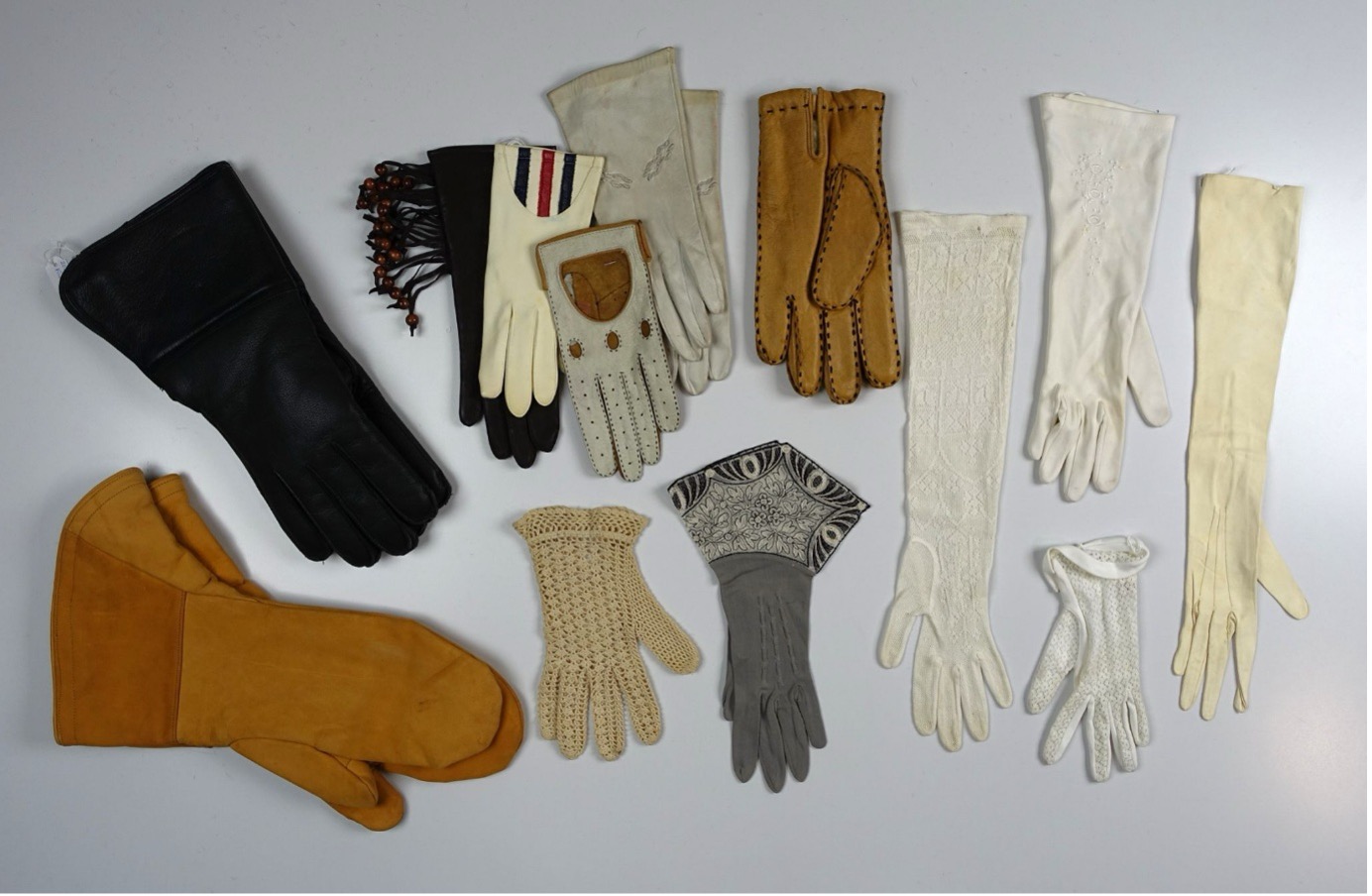
Fig 1: Assortment of gloves in the TRC collection showing the wide variety in materials, shape, and decoration used.Fig 1: Assortment of gloves in the TRC collection showing the wide variety in materials, shape, and decoration used.

Curious about the history of gloves, I browsed the TRC library and quickly found a book by Annemieke Willemsen [current curator of medieval collections at the RMO in Leiden] on medieval gloves, mittens and gauntlets, through which I discovered many intriguing avenues for discussion.

Gloves, mittens & gauntlets

It seems that mittens (Dutch: want), with all the fingers enclosed in a single pocket and with a separate thumb, may have preceded the glove with its individual fingers (Dutch: handschoen), perhaps because its construction is simpler. However, both forms have been consistently worn throughout the last few centuries. Split mittens, which separate the third and fourth fingers, also existed and were commonly worn in the medieval period by shepherds who needed slightly greater mobility for their fingers (Willemsen 2015a/b??, p. 19).

The distinction between a glove and a gauntlet is primarily one of function. A gauntlet is a type of glove made from heavy or protective materials, such as metal armour or thick, padded leather, with the aim of protecting the hands from injury. While gauntlets are often associated with metal armour used in combat, the term can also extend to heavy-duty gloves used in metalworking, motorcycling, or animal handling. In other words, every gauntlet is a glove, but not every glove is a gauntlet.

Protection from the cold is one of the most familiar functions of gloves and mittens. Cloth, woollen, knitted, and needlebound examples were often intended to provide warmth, sometimes with additional fur lining. Gloves have also been used as protective equipment in various sports and occupations. Medical sources even describe gloves made from fish or chicken skin to protect infected or damaged skin during the night (Willemsen 2015a/b??, p. 13).

Not all gloves, however, were primarily practical or protective. Delicate gloves could function as fashionable accessories and status symbols, as seen in intricate lace or embroidered examples. Gloves could also carry important symbolism, such as those of a monarch or priest.
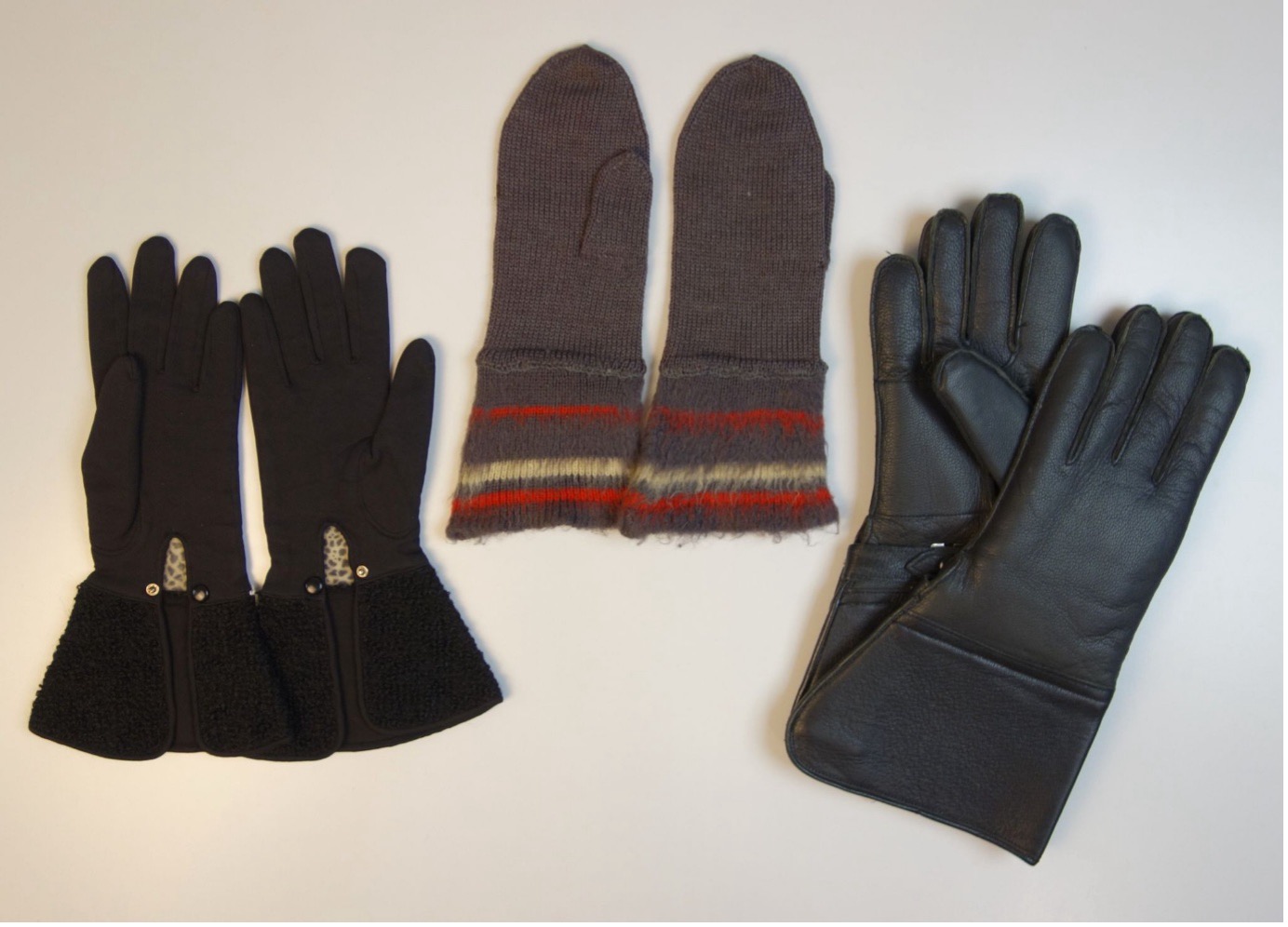
Fig 2: Left to right: a pair of gloves (TRC 2025.0641a-b), mittens (TRC 2007.0762a-b), and gauntlets (TRC 2025.0905a-b)Fig 2: Left to right: a pair of gloves (TRC 2025.0641a-b), mittens (TRC 2007.0762a-b), and gauntlets (TRC 2025.0905a-b)

Early history

Hand coverings must have been used in deep prehistory, and these could have been woven out of plant fibre or sewn from leather. Gloves are referenced frequently in Antiquity, but hard evidence of their use before then is scarce, particularly as they are made of entirely degradable materials.

Many sources note the earliest archaeological example of a surviving glove comes from the tomb of Tutankhamun. He would have worn these ceremonial linen gloves sometime before his death in 1323 BC (Redwood, p. 7). This draws an interesting link to the TRC as our director Gillian extensively studied the Tutankhamun textile finds.

Willemsen’s book also goes into detail about archaeological finds in the Netherlands. The oldest find - a thumbless wool knit mitten from Dorestad - dates to 800 AD. Thanks to the Dutch wetlands, many more woollen and leather gloves were preserved through the centuries, many being found in Amsterdam and Dordrecht. Figure 3: The oldest glove found in the Netherlands, dating to 800 AD (Willemsen, p. 5)
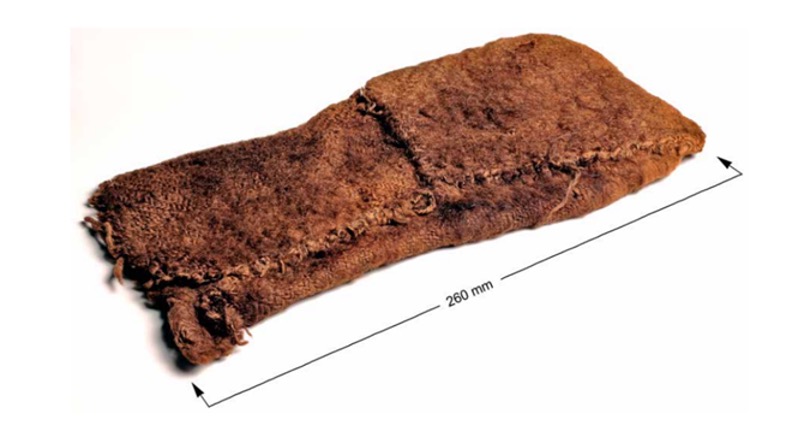
Figure 3: The oldest glove found in the Netherlands, dating to 800 AD (Willemsen, p. 5).Figure 3: The oldest glove found in the Netherlands, dating to 800 AD (Willemsen, p. 5).

Various fashions

Gloves were also undoubtedly conveyors of fashion and status. It would be unreasonable not to mention the excessively decorated gloves in prestigious, 17th century royal fashion with heavily embroidered cuffs, in silver, gold, and coloured thread that would have cost a small fortune.

One style that really stood out to me was a period of illusionary finger-lengthening. Around the reign of Queen Elizabeth I, in late 16th/early 17th century Britain, it was fashionable to elongate a glove’s fingertips around a centimetre past the reach of each finger for a look of longer, slimmer fingers (Willemsen, p.14). Fig 4: Elongated fingertips on 17th century glove (Willemsen, p.15).
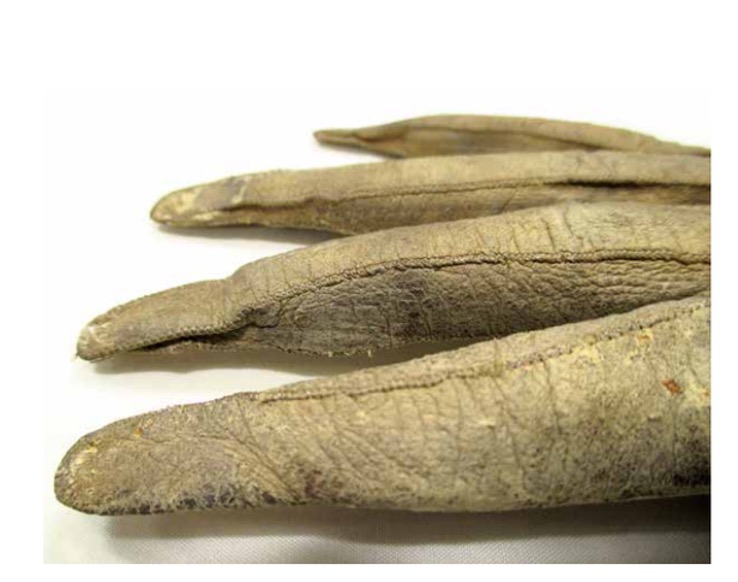
Fig 4: Elongated fingertips on 17th-century glove (Willemsen, p.15).Fig 4: Elongated fingertips on 17th-century glove (Willemsen, p.15).

Production

Leather mittens and gloves were made to fit the individual, usually constructed by cutting a ‘double glove’ – two handprints conjoined to erase the need of sewing one seam and then a separate thumb is added (Fig. 5). Sheep and goat skins were common and deerskin used for the wealthy (Willemsen, p.12).

Gloves were for a long while produced in small workshops, either specialised only in glove making or in combination with other fine leatherwork. Production then moved into large factories, though through the 19th century they outsourced the stitching of gloves to women and children at home to gain extra income as gloveresses. The sewing machine drastically changed the industry, and most glove production nowadays is factory-made. They are also made in a few sizes, and it is difficult to find someone to make personalized gloves made to measure.

Most gloves were everyday items they would get heavily worn, so it is not uncommon for them to be patched and repaired repeatedly. To counteract this, Icelandic fishermen would make a mitten with two thumbs - so one wears them on both hands or back-to-front. Fig 5: Glove sewing pattern showing the double-hand construction with separate thumb piece (https://www.18thcenturynotebook.com/mens-leather-gloves).
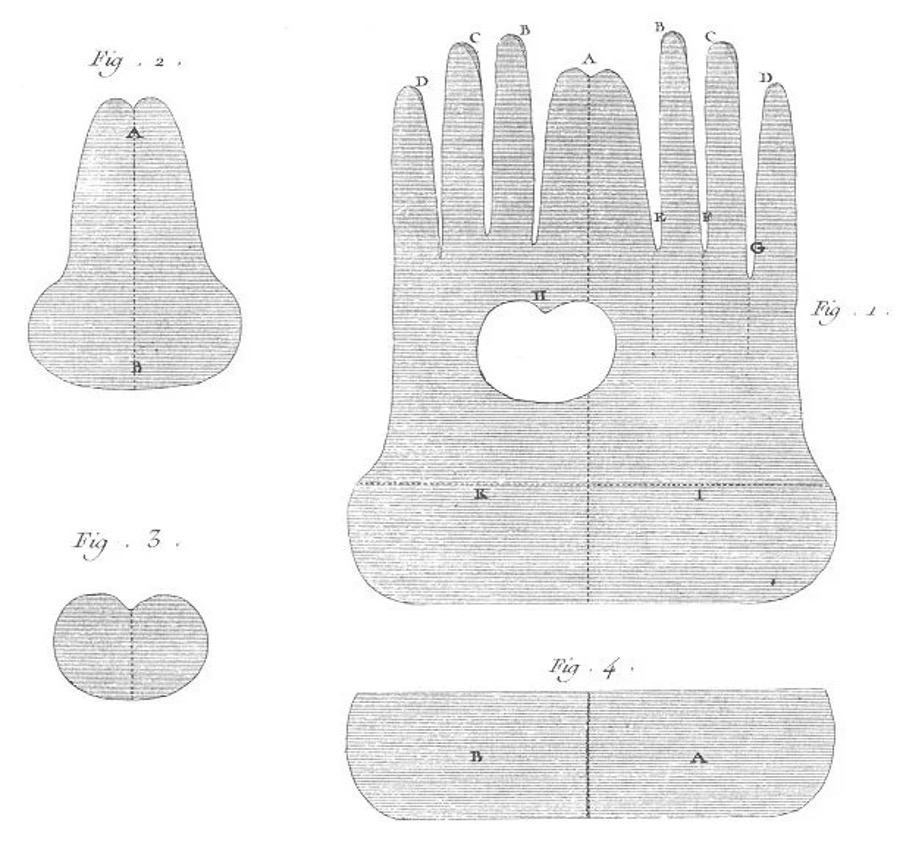
Fig  5: Glove sewing pattern showing the double-hand construction with separate thumb piece (https://www.18thcenturynotebook.com/mens-leather-gloves)Fig 5: Glove sewing pattern showing the double-hand construction with separate thumb piece (https://www.18thcenturynotebook.com/mens-leather-gloves)

Symbolism

There is also a whole world of symbolism when it comes to gloves, that differ greatly throughout cultures and time. Some general themes are still familiar to us and some completely obscure. In many circumstances the gloves provide a physical and symbolic barrier between an individual and the action they take - think of a judge, or executioner (Willemsen, p. 30). In religion too, liturgical gloves indicate the holy power in the hands rather than those of the preacher (Willemsen, p. 32). In courting, one removes gloves providing a bare hand to kiss in greeting, and keeping gloves on would be seen as a sign of hostility. Additionally,“a woman dropping her glove could be understood as a woman offering her body,” (Willemsen, p.15). In combat too, throwing the gauntlet or picking a fight. The variation here really shows how aspects of dress have many cultural effects.

Conclusion

I thoroughly enjoyed this exploration of gloves and their history. And as I was talking about it, I was enthusiastically handed a handful of newly donated gloves to add to the catalogue!

Sources

  • Annemarieke Willemsen (2015), 'The Geoff Egan Memorial Lecture 2013. Taking up the glove: finds, uses and meanings of gloves, mittens and gauntlets in western Europe, c. AD 1300–1700,' Post-Medieval Archaeology, 49:1, 1-36.
  • Annemarieke Willemsen (2015),'Van Hand tot hand. Handschoenen en wanten in de Nederlanden voor 1700,' Rijksmuseum van Oudheden, Leiden.
  • Mike Redwood (2016), Gloves and Glove-making. London, Bloomsbury.

Assorted leather gloves in the TRC collection including thick, wool-lined mittens, big military, motorboking gauntlets and leather gloves with various forms of decoration - fringing, colour, stamped and punched.

Assorted gloves in the TRC collection come in many shapes and sizes. Crochet, embroidered, silk, knit, suede, net. Wrist to elbow and anything in between.

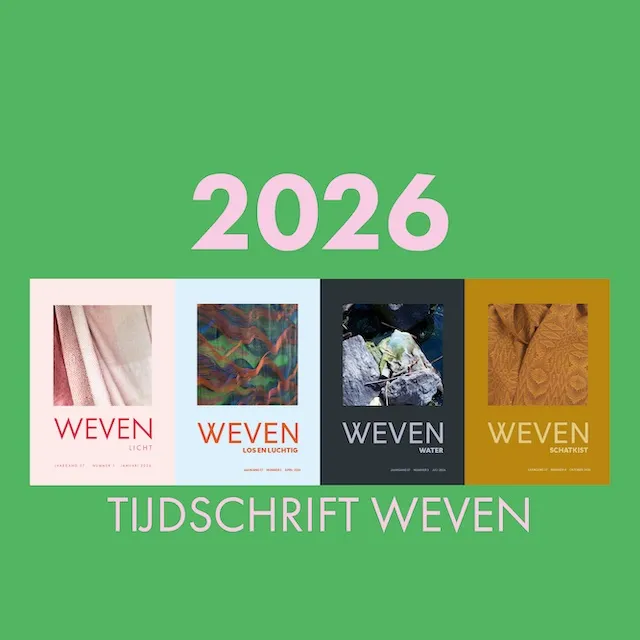
Birgitta de Leeuw wrote an article about the TRC for the journal Weven (No. 4, 2026, pp. 16-18). She is a Dutch creative facilitator, consultant, author, and visual artist focusing on both personal growth and societal and organizational change. Her work lies at the intersection of social innovation and creative expression.

Her article about the TRC appeared in the official and best-known trade magazine for weavers in The Netherlands, published by the organisation Weefnetwerk. It is published four times a year, with each issue covering a specific theme.

A PdF file of the article can be downloaded here.

Moroccan kaftan made from a Japanese obi (sash), 1950s (TRC 2001.0074).Moroccan kaftan made from a Japanese obi (sash), 1950s (TRC 2001.0074).The TRC collection of textiles, clothing and accessories from around the world was started in 1997 with 43 pieces from Afghanistan, Egypt and Syria. Since then it has grown to over 56,000 items (26 September 2026), almost all of them have been catalogued and most of them photographed. All information is accessible on the TRC website (click here for the online catalogue).

The items come from diverse backgrounds with respect to time and place. Some of the items have been purchased, but the vast majority has been collected during fieldwork or very kindly donated by various institutions and private donors. The TRC  is a good example of Citizen Culture and Heritage at work!

The collection has no boundaries with respect to geography or time. It ranges from Afghan embroidery, German Lederhosen, Indonesian batiks, historical textiles from Leiden, to delicate silks from Renaissance Italy and spinning and weaving equipment from the Andes.

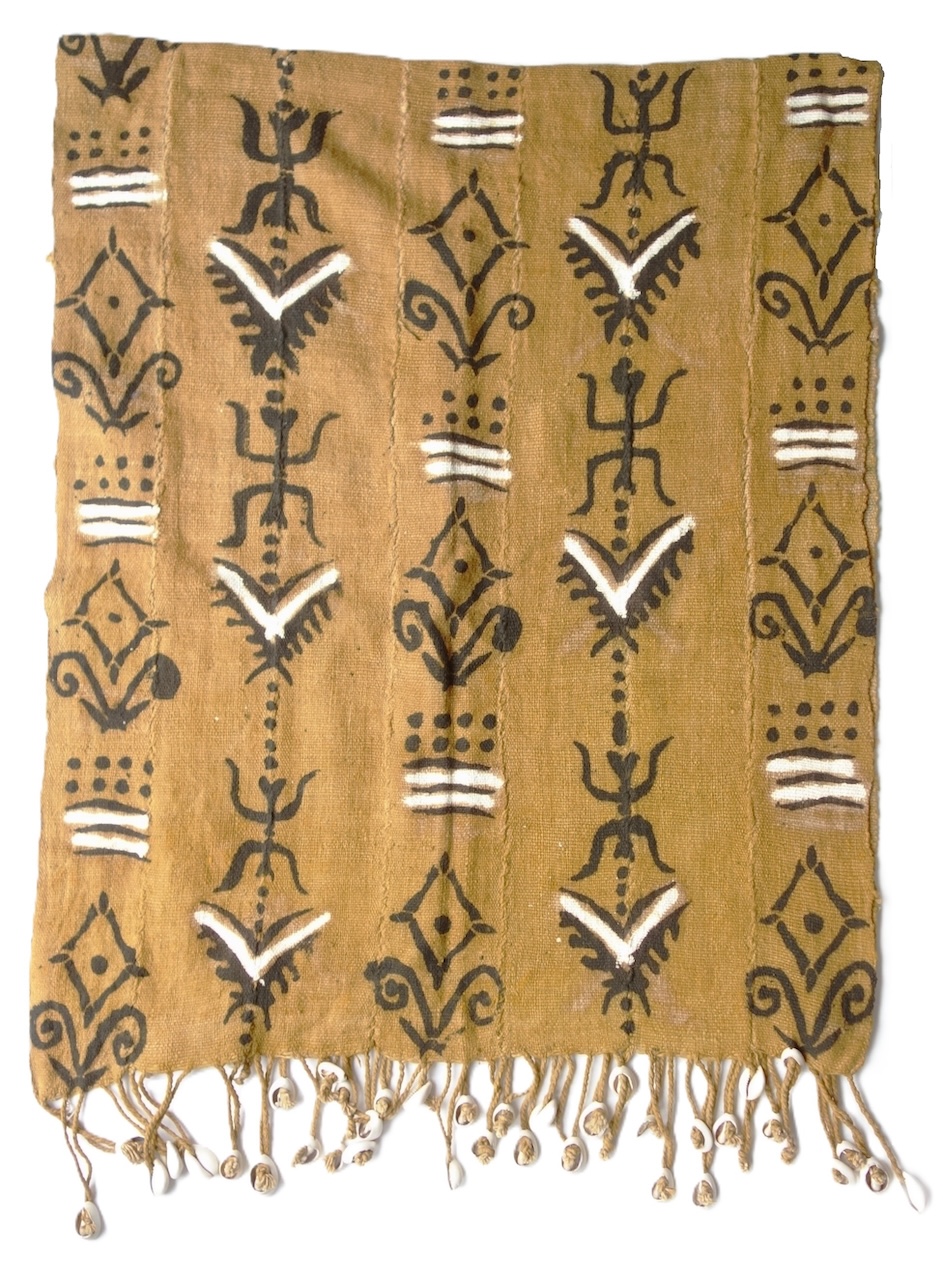
Length of cloth made from strips (15 cm) of woven cotton, dyed brown and then painted with various motifs. The fringes are decorated with white cowrie shells. Mali? (TRC 2026.2254).Length of cloth made from strips (15 cm) of woven cotton, dyed brown and then painted with various motifs. The fringes are decorated with white cowrie shells. Mali? (TRC 2026.2254).(Gillian Vogelsang, 28 September 2026) It is noticeable, since we moved to our new home on the Boerhaavelaan, that we have been increasing our international links and connections. We are welcoming more and more visitors from all over the world – just the other day we had a guest from China wanting to know what we did, while upstairs a researcher from Indonesia was looking at part of our Indonesian batik collection. We have also recently had several visitors from Iran as well as the USA and Canada, not to mention home-grown visitors from The Netherlands. We also currently have interns and student volunteers from Belgium, Lithuania, and Korea (she is studying Indonesian textiles) all adding to the international mix at the TRC.

Textile fellowships

Thanks to the generous help of the Gieskes-Strijbis Foundation, Amsterdam, the TRC has a three-year fellowship programme for the study of textiles and dress, based on the TRC Collection. The first fellow, Flora Kovacs Wester, is Hungarian, lives in The Netherlands and carries out research on  kasuri, a Japanese resist-dyeing technique. Earlier this year we announced a second round of fellowships and there were 39 applicants from literally all over the world. We appointed two junior fellows and one senior fellow, who will be working on different aspects of the TRC Collection. We hope to welcome them within a few weeks. These fellowships are certainly causing ripples in the textile world. The third round of fellowships will be announced shortly and we expect even more interest in this fellowship programme.

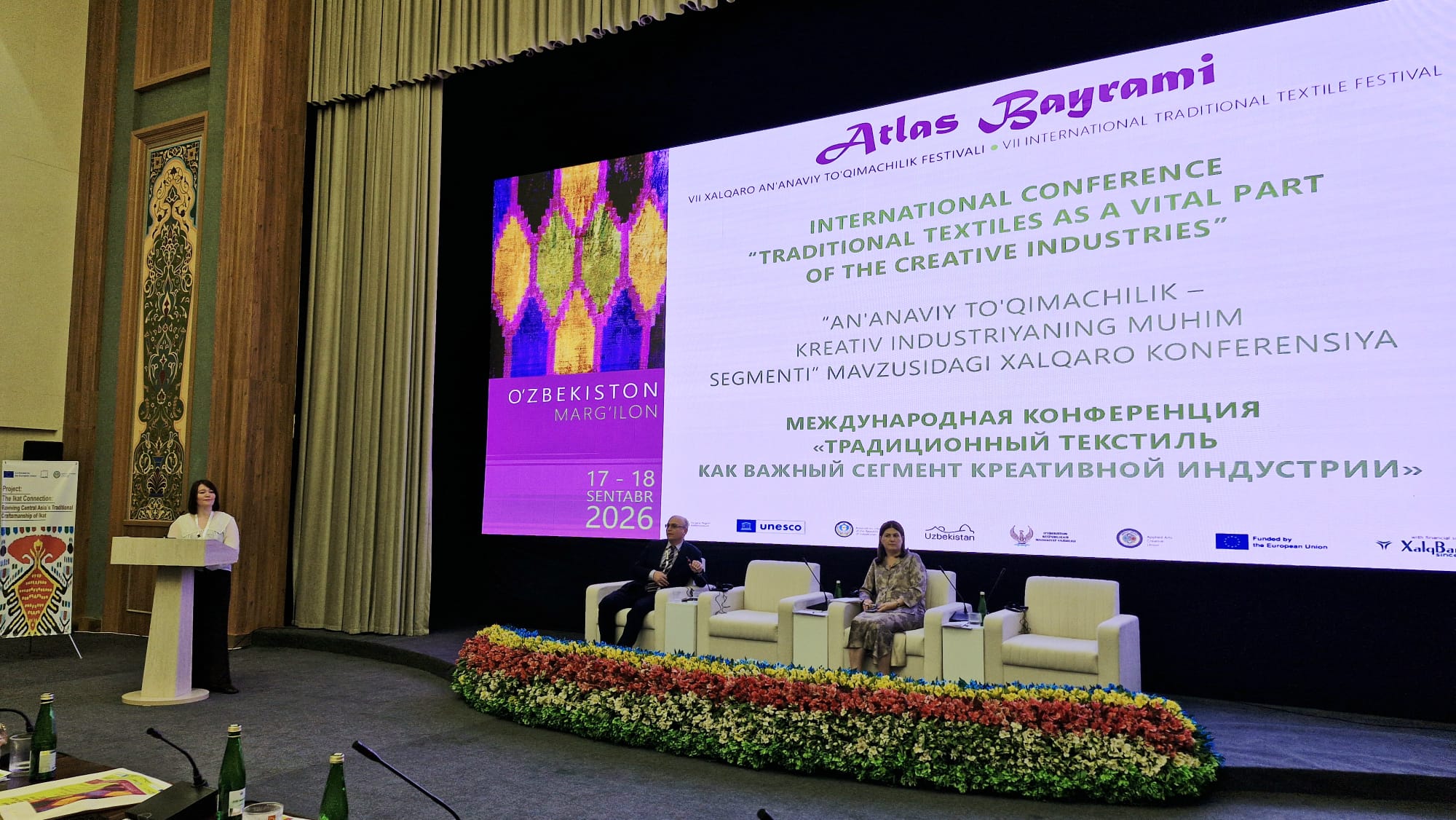
(by Augusta de Gunzbourg, TRC curator and education manager, 25 September 2026). The TRC was invited recently to attend "Atlas Bayrami", the 7th International Traditional Textile Festival, held in Margilan in the Fergana Valley, in the east of Uzbekistan. I attended the festival as TRC's representative. The event celebrated the country's textile traditions, and in particular the traditional silk ikats of this region. This extraordinary invitation was a chance to represent the TRC at an international conference and to better understand a textile history that is still very much alive in the valley and across the country.

The author speaking during the conference.The author speaking during the conference.

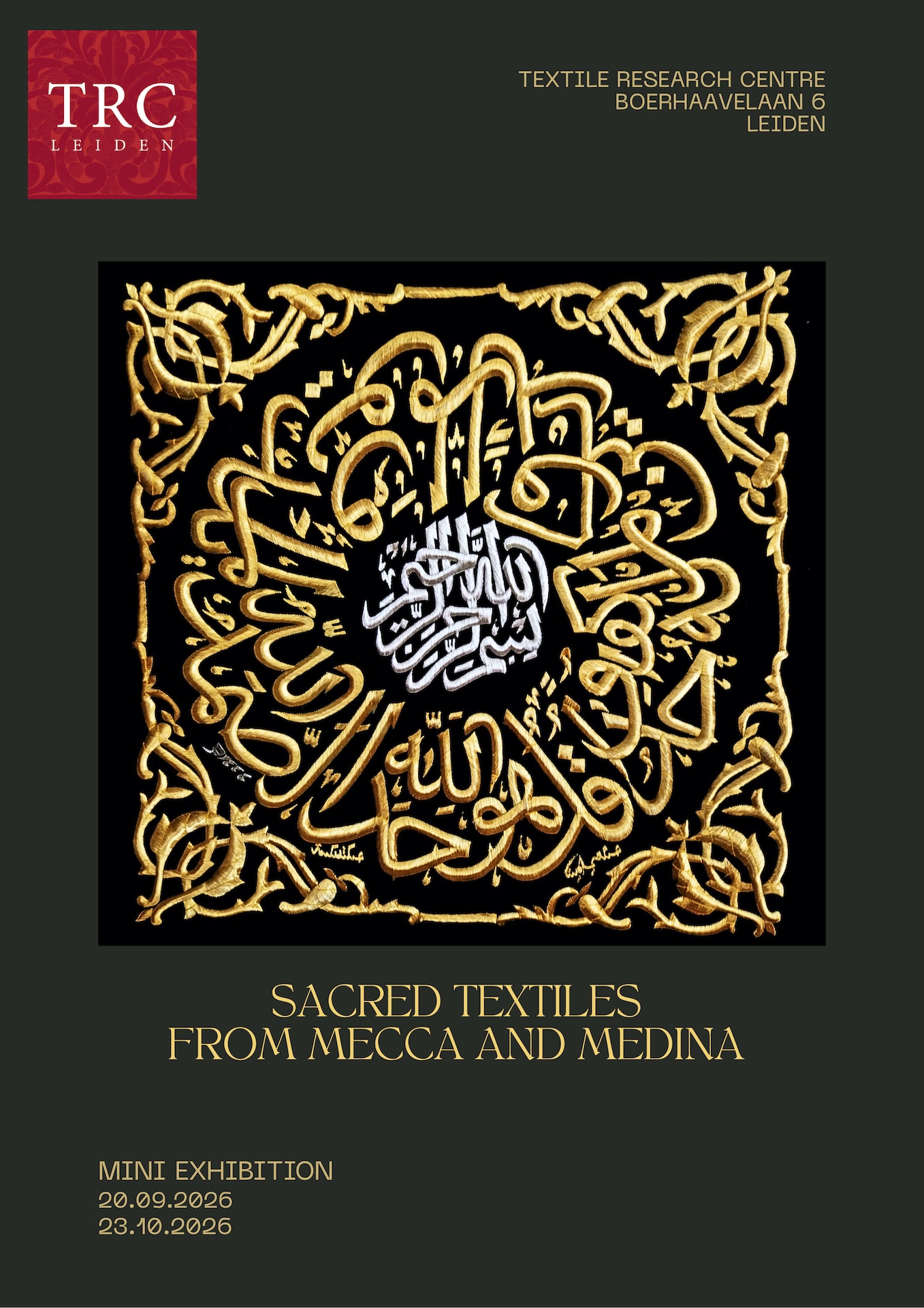
(Gillian Vogelsang, 21 September 2026) "The TRC and the Stichting Güney are proud to present …. " This may sound like a cliché but in this case it is totally true. We were and are proud of the 'Sacred Textiles from Mecca and Medina' mini-exhibition, which was opened last Sunday, 20th September, in the presence of the Turkish ambassador designate, Dr. Burak Akçapar.
We have all been working hard for the last few weeks, writing text boards, organising lists of objects, translating texts into Dutch, and checking proposed programmes for this special event. Augusta de Gunzbourg, our curator, did the design layout before she went to a textile conference in Uzbekistan (a blog will shortly be published about her trip).

One of the reasons behind the mini-exhibition was to raise funds to process and store a very large Ottoman and regional Turkish collection that recently has been donated to the TRC (see previous blogs). The Turkish community here in Leiden are taking a very active part in the project and plans are being developed for exhibitions, workshops, lectures, perhaps even fashion shows!

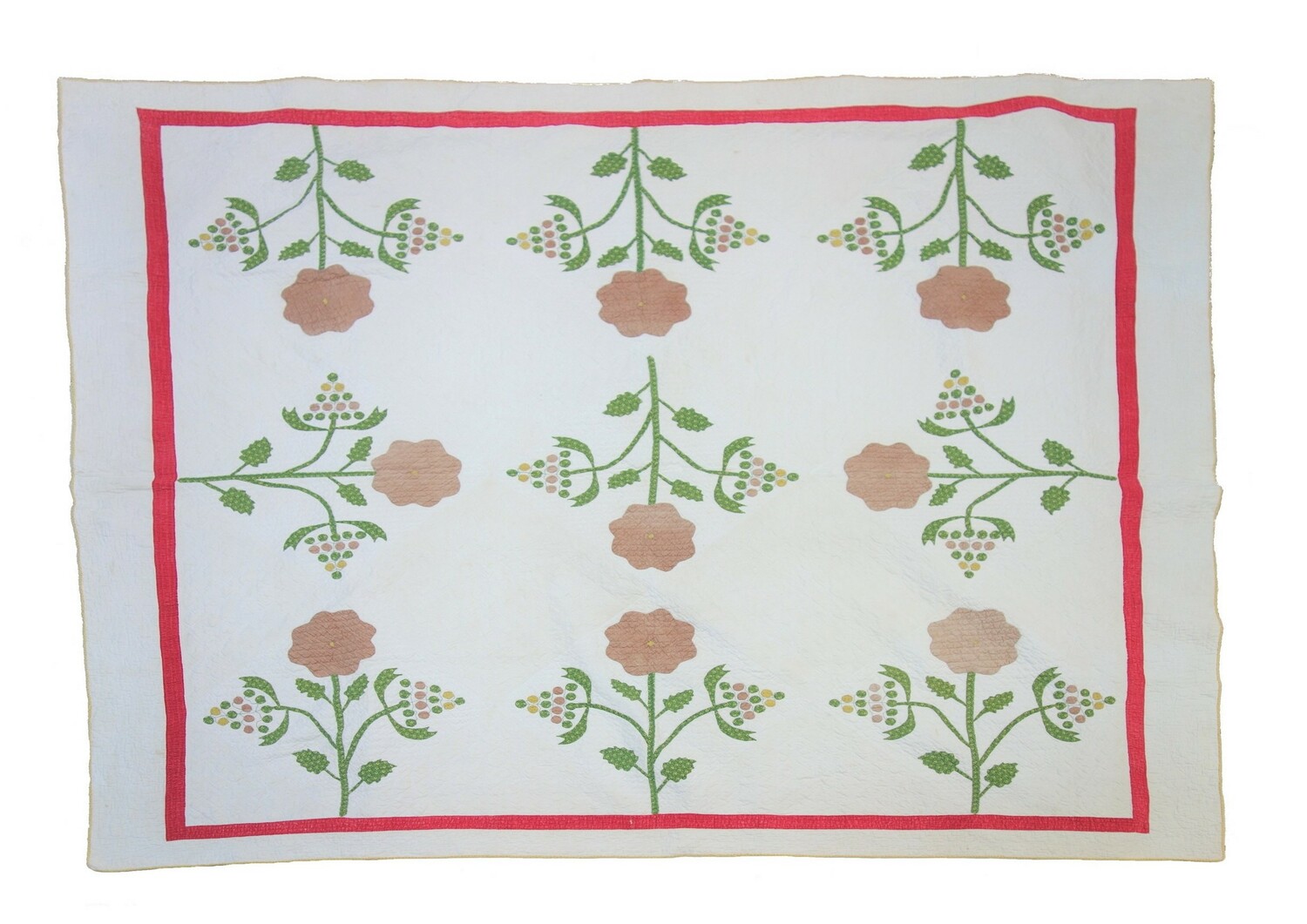
Fig. 1. Quilt with an appliqué version of a ‘Flower and Berries’ design (1850’s – 1860’s; USA). TRC 2019.2402.Fig. 1. Quilt with an appliqué version of a ‘Flower and Berries’ design (1850’s – 1860’s; USA). TRC 2019.2402.(Gillian Vogelsang, 19 September 2026) Last weekend the TRC was open to the public as part of the national Open Monumenten Dagen (OMD). We welcomed over 300 visitors who were shown around the building and enjoyed the various exhibitions.

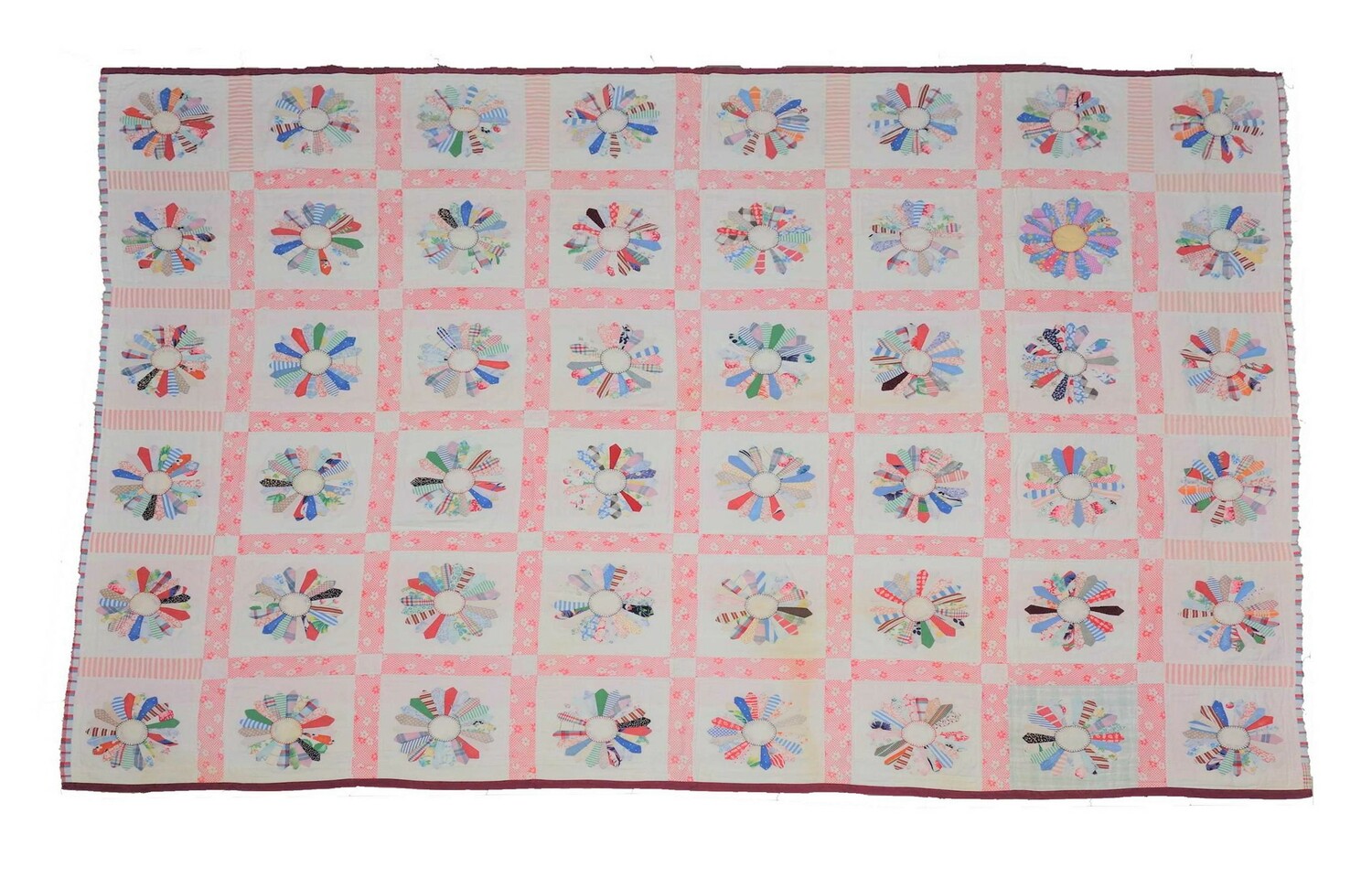
One of the questions that was asked by an American visitor was: did we have any quilts? What she meant was American-style (bed) quilts. Well, we have a range of quilts, plus a selection of quilt patterns, samples and unfinished blocks. More specifically, we have over 100 American quilts in our collection that date from the 1840s to the present day and represent many different forms.

Fig. 2. Dresden Plate quilt (1930s, USA). TRC 2018.2629.Fig. 2. Dresden Plate quilt (1930s, USA). TRC 2018.2629.The TRC houses one of the few public collections of American quilts in this part of Europe, and the blankets are included in the American Quilt Index. Some years ago, to mark this point, the TRC mounted an exhibition about American quilts. We opened the exhibition in February 2020, but alas, very few people could come and see it due to the Covid Crisis.

The TRC collection includes a wide range of forms of American quilts (Figs. 1-3), from practical, Amish items to more decorative, elaborate examples, but we are far from being able to offer a complete picture. We are still looking for early 19th century examples, and a few specific types, such as Baltimore Album quilts, Mormon (LDS) quilts, and modern Art quilts.

Subcategorieën

Zoek in TRC website

Contact

Boerhaavelaan 6
2334 EN Leiden.
Tel. +31 (0)71 5134144 (kantooruren)  
office@trcleiden.org

Het TRC is elke dag geopend tussen 10.00 en 15.00 uur.

facebook 2015 logo detail


instagram vernieuwt uiterlijk en logo


Bankrekening

NL39 INGB 0002 9823 59, t.a.v. Stichting Textile Research Centre.

Financiële giften

Het TRC is afhankelijk van project-financiering en privé-donaties. Al ons werk wordt verricht door vrijwilligers. Ter ondersteuning van de vele activiteiten van het TRC vragen wij U daarom om financiële steun:

Giften kunt U overmaken op bankrekeningnummer (IBAN) NL39 INGB 000 298 2359, t.n.v. Stichting Textile Research Centre. BIC code is: INGBNL2A

U kunt ook, heel simpel, indien u een iDEAL app heeft, de iDEAL-knop hieronder gebruiken en door een bepaald bedrag in te vullen: 


Omdat het TRC officieel is erkend als een Algemeen Nut Beogende Instelling (ANBI), en daarbij ook nog als een Culturele Instelling, zijn particuliere giften voor 125% aftrekbaar van de belasting, en voor bedrijven zelfs voor 150%. Voor meer informatie, klik hier.