

A 1880's Log Cabin coverlet in the TRC Leiden collection
On Friday, 16 April 2020, Beverley Bennett and Susan Cave wrote:
The Log Cabin pattern is one of the two most popular patchwork designs of the nineteenth century. The other is the Crazy Quilt which we will deal with next week. The Log Cabin is a family of patterns rather than one single design. It is simple to construct and there are an infinite number of variations. The TRC has several examples of this quintessential American design, but only one from the 1880’s era (TRC 2019.2404). The more recent TRC examples show a continuum from this early time, always reflecting when they were made by the fabric used.
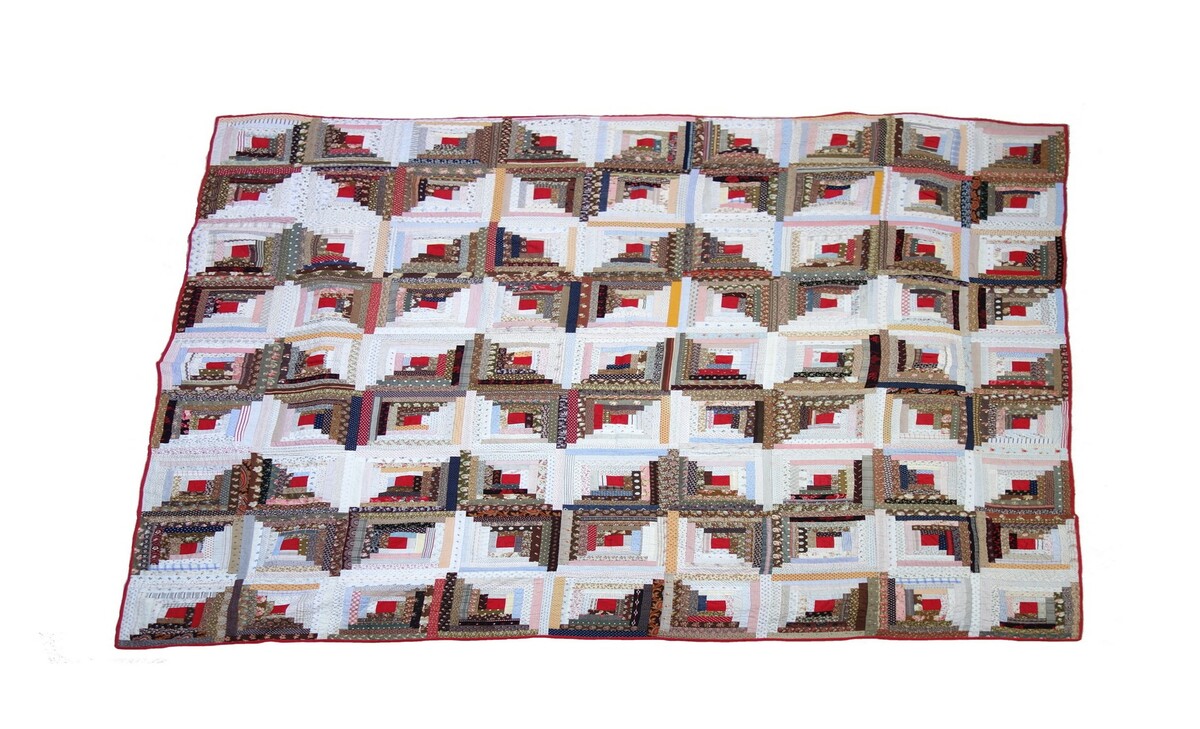 Log cabin coverlet, USA, 1880's (TRC 2019.2404).
The actual design evokes the spirit of Abraham Lincoln, who promoted the pioneering values of the American frontier. The logs, stacked around the central fire of the household, signify a land built from hard work, humility and freedom. Millions were made in the late 19th century as the blocks were easy to construct. Women who could neither read nor write could easily work out patterns based on the light and dark of their fabric. Some women dyed fabric with leaves, berries or vegetables to get tone. The fabric scraps might have come from pyjamas, dressing gowns, or old shirts and dresses.

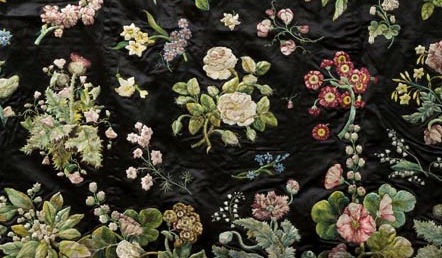

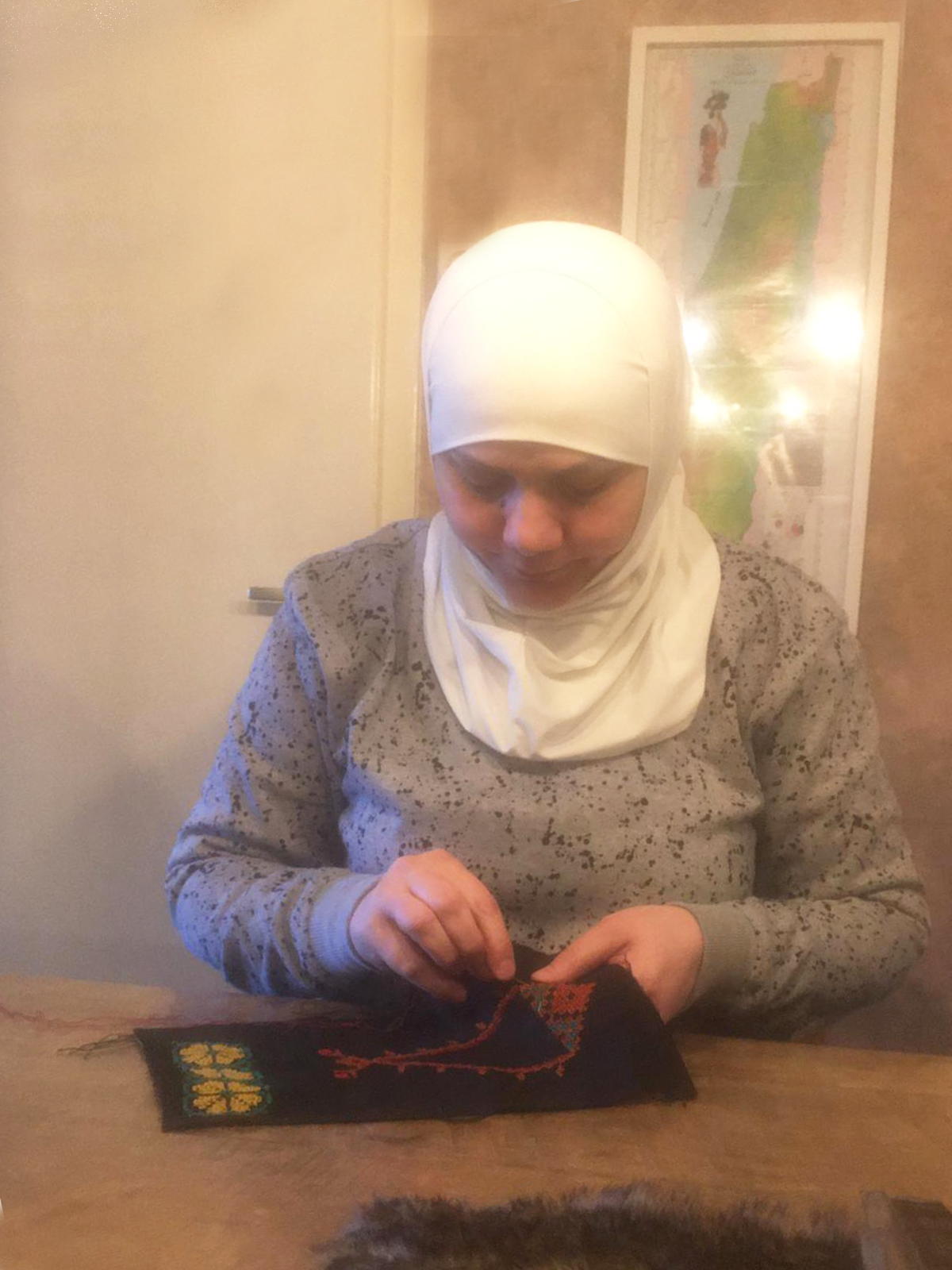 Ms Fatima Abbadi is an enthusiastic user and follower of the TRC. She is teaching Middle Eastern embroidery to Arab women in Capelle a/d IJssel, near Rotterdam (