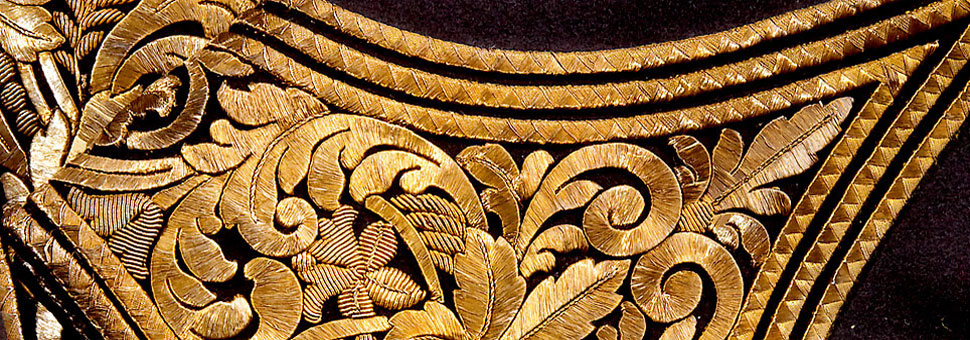
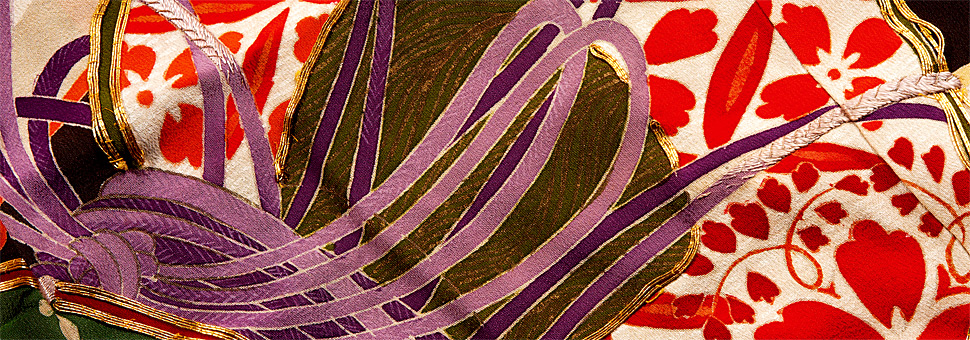
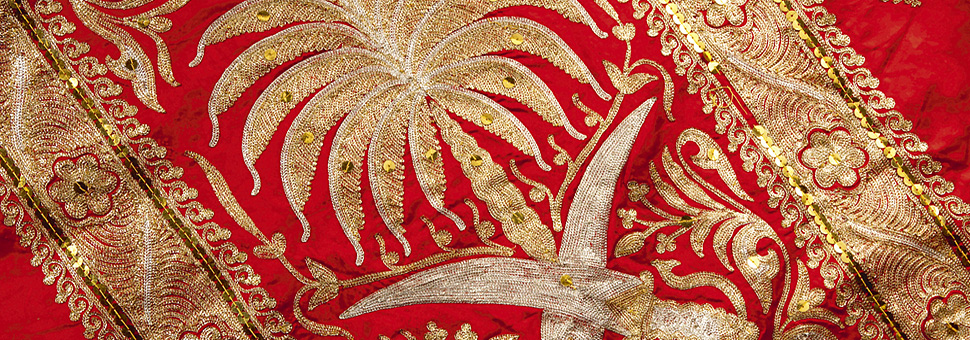

(Gillian Vogelsang, 2 August 2026) For the next six months or so we will be working hard on cataloguing, photographing and adding more details about the large Turkish and Turkish/Ottoman collection that has been donated to the TRC by Jean-Marie Criel and Jos van Vriend (??) in Antwerp, Belgium, and that is now gradually being transported to Leiden and added to the TRC collection. So far we have added over 1100 items to the TRC database and there are (many) more entries to come!
- Large and intriguing donation of 19th and 20th century Turkish garment (9 June 2026)
- A pink quilted kaftan from Konya, Türkiye. A recent donation to the TRC (24 June 2026).
- Turkish collection update (2 July 2026)
- "This gesture felt like an act of hope." The recent donation of a collection of Turkish garments to the TRC, by Besime Alikisioglu, MA student, Leiden University (9 July 2026)
Why did we accept this collection? There are various reasons, firstly, because we have long been building up the TRC’s collection of regional dress from the Islamic World (see comments about the Iranian collection). For historical and indeed modern reasons, Türkiye (Turkey) is an important country both within the Islamic world and elsewhere.
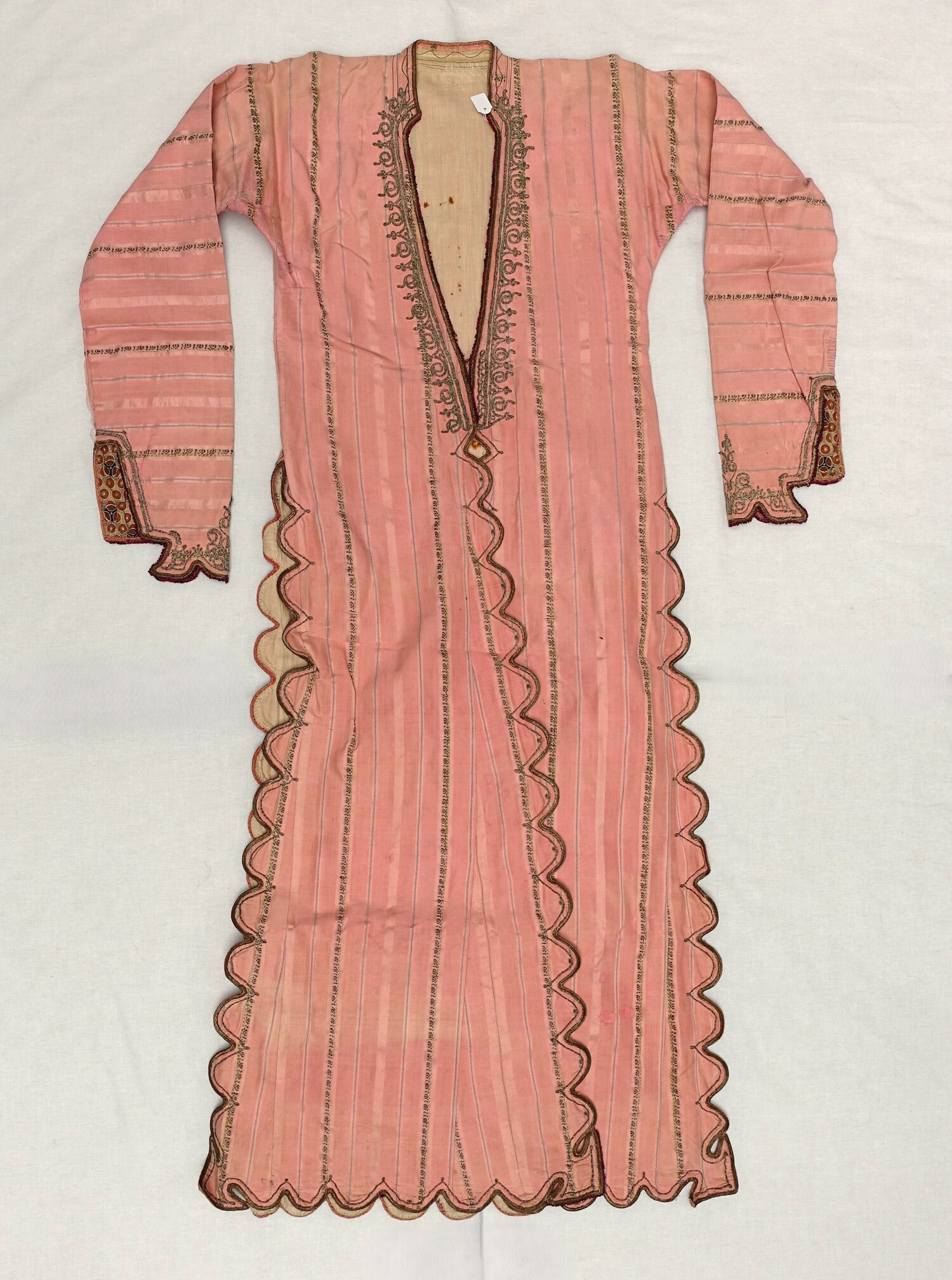 Fig. 1. Woman’s kaftan from Konya, early 20th century (TRC 2025.0799b).
Equally importantly, the Criel collection includes both Turkish urban (Ottoman) and regional forms for men and women’s clothing that were acquired 30-40 years ago although many items are from the first half of the 20thcentury or older. It is significant that many items were acquired in a systematic form with many of the pieces being provenanced. Knowing where something comes from and its approximate date is always a big plus.
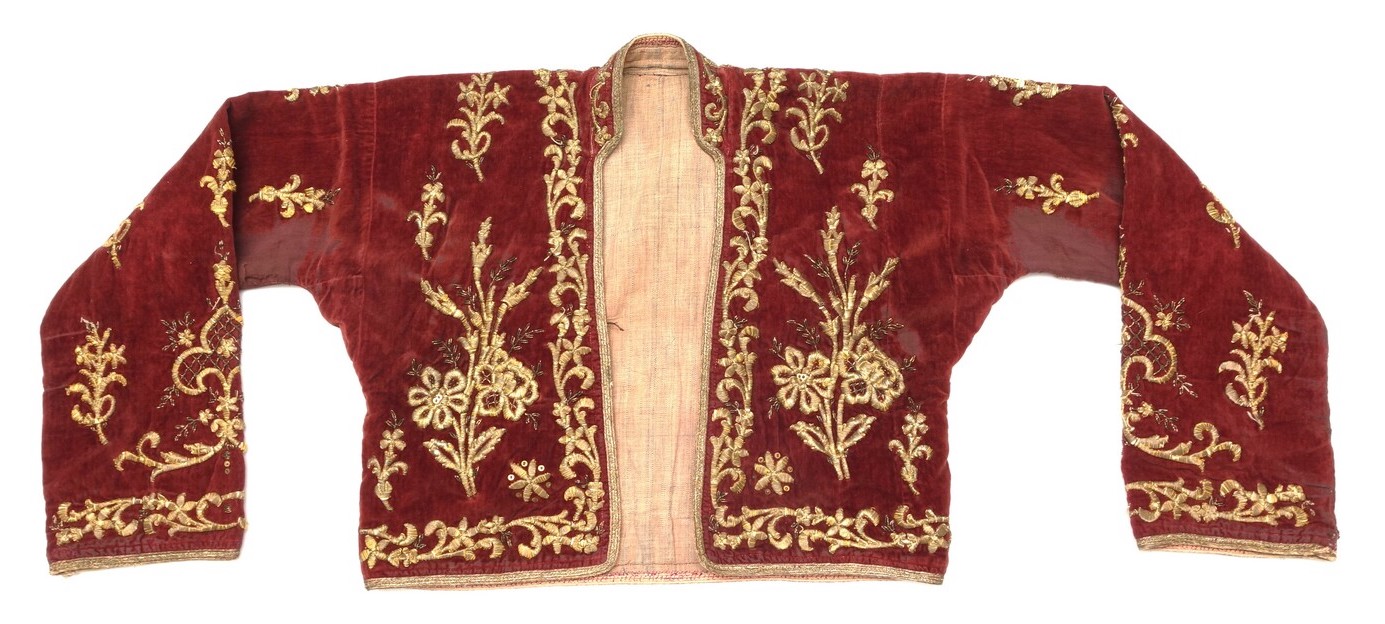 Fig. 2. A women’s embroidered jacket from Beypazari, 1900-1925 (TRC 2025.0802a).
There is also a large Turkish community here in Leiden and we have been working together to properly represent this significant community. In particular, we are working with the Stichting Guney) to make it not only one of the largest collection of Turkish textiles and garments in this part of Europe, but also one of the most accessible. Together we want to make the Criel collection one of the main reference collections of Turkish textiles and dress outside of Türkiye.
In addition, there are many pieces of Ottoman and regional styles of Turkish embroidery, which fits in with the TRC as an acknowledged, international centre for embroidery studies (see below). Shortly, for example, we will have a series of charts for remaking the embroidered patterns, from a variety of garments, including women’s dresses from the Dursunbey region of Balikesil Province in western Türkiye.
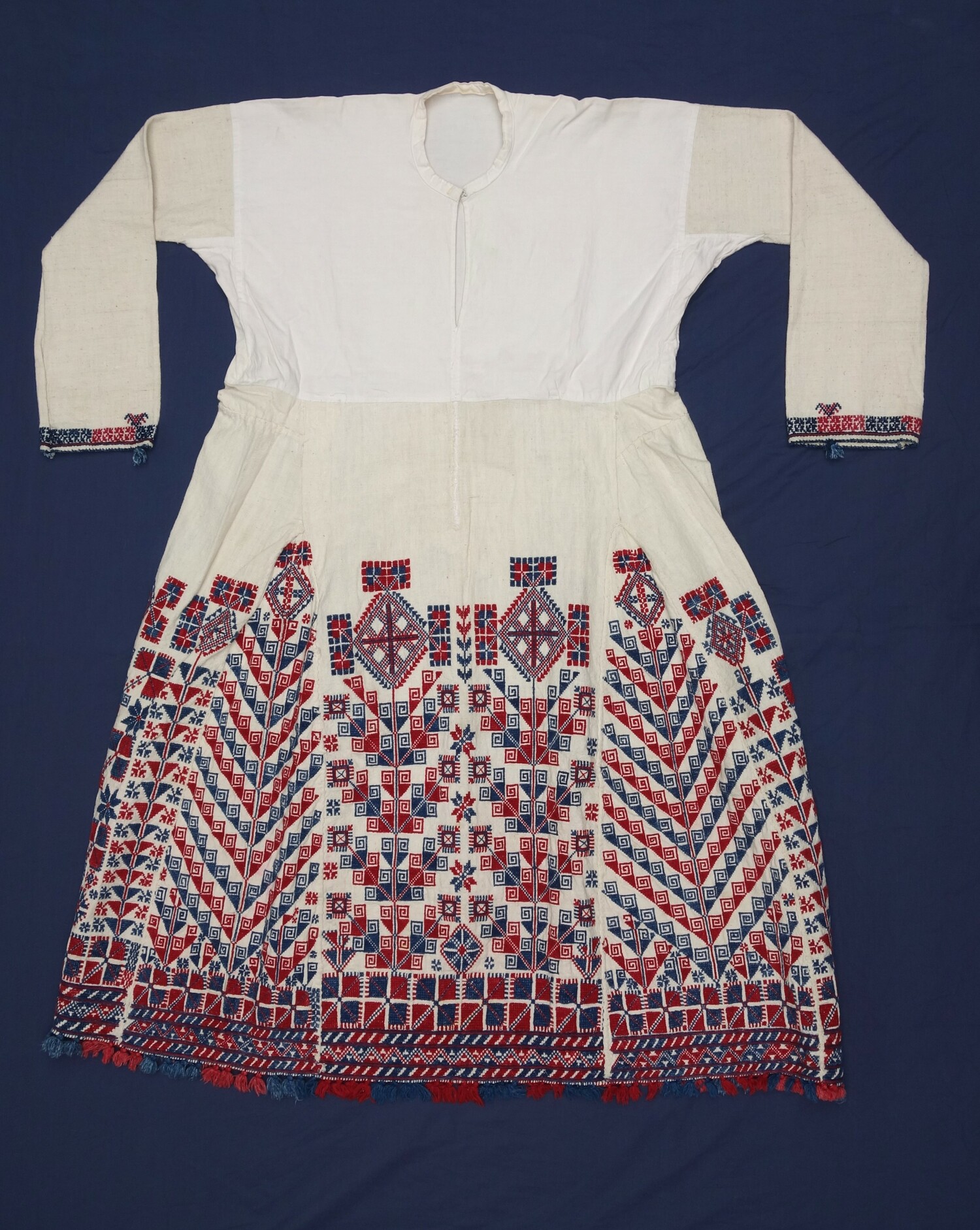 Fig. 3. A women’s embroidered dress from the Balikesir/Dursunbey region, Türkiye, mid-20th century (TRC 2025.0809d).
And last, but by no means least we are in contact with the Turkish embassy in The Hague and we will shortly have a meeting with the Ambassador and Cultural Attache to discuss how we can work together to make this collection more widely know, available, and indeed to see if we can donors who are willing to financially help with the storage of the collection (see our previous appeal)..
Some highlights
Where to start? On 24 June, we published a TRC blog about a pink quilted garment from Konya. But there are other items that are of note, such as men’s felted woollen jackets, and waistcoats and trousers that are decorated with passementerie motifs (Fig. 4). There are both hand sand machine stitched examples. The designs range from simple lines of looping to intricate, mixed organic and geometric patterns.
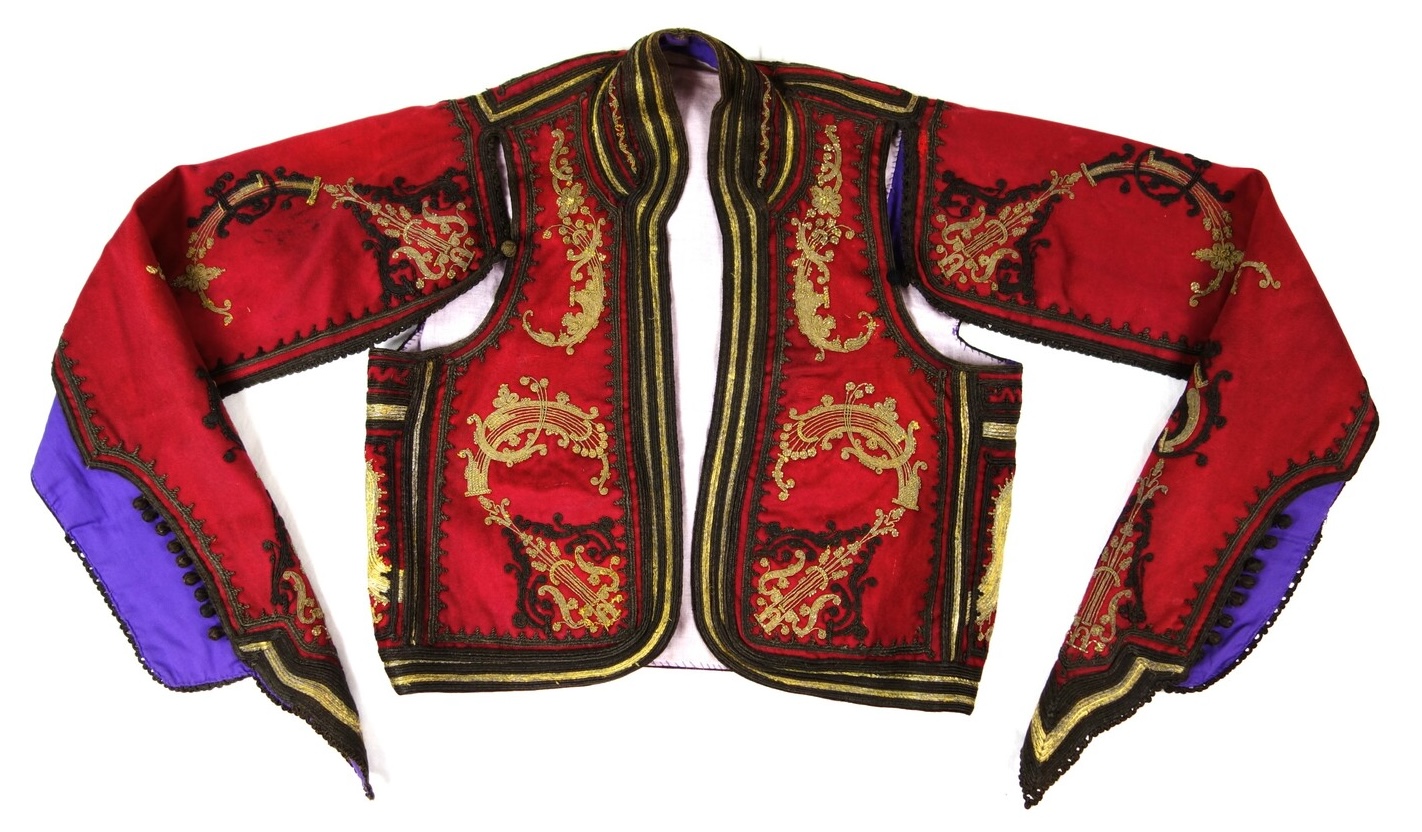 Fig. 4. An example of a men’s open-sleeved jacket decorated with passementerie. Konya, Türkiye, 20th century (`TRC 2026.1329a).
There are also various pairs of embroidered trousers for Yörük women (the last nomadic group living in Türkiye), which have abstract organic patterns worked mainly in a form of tent stitch.
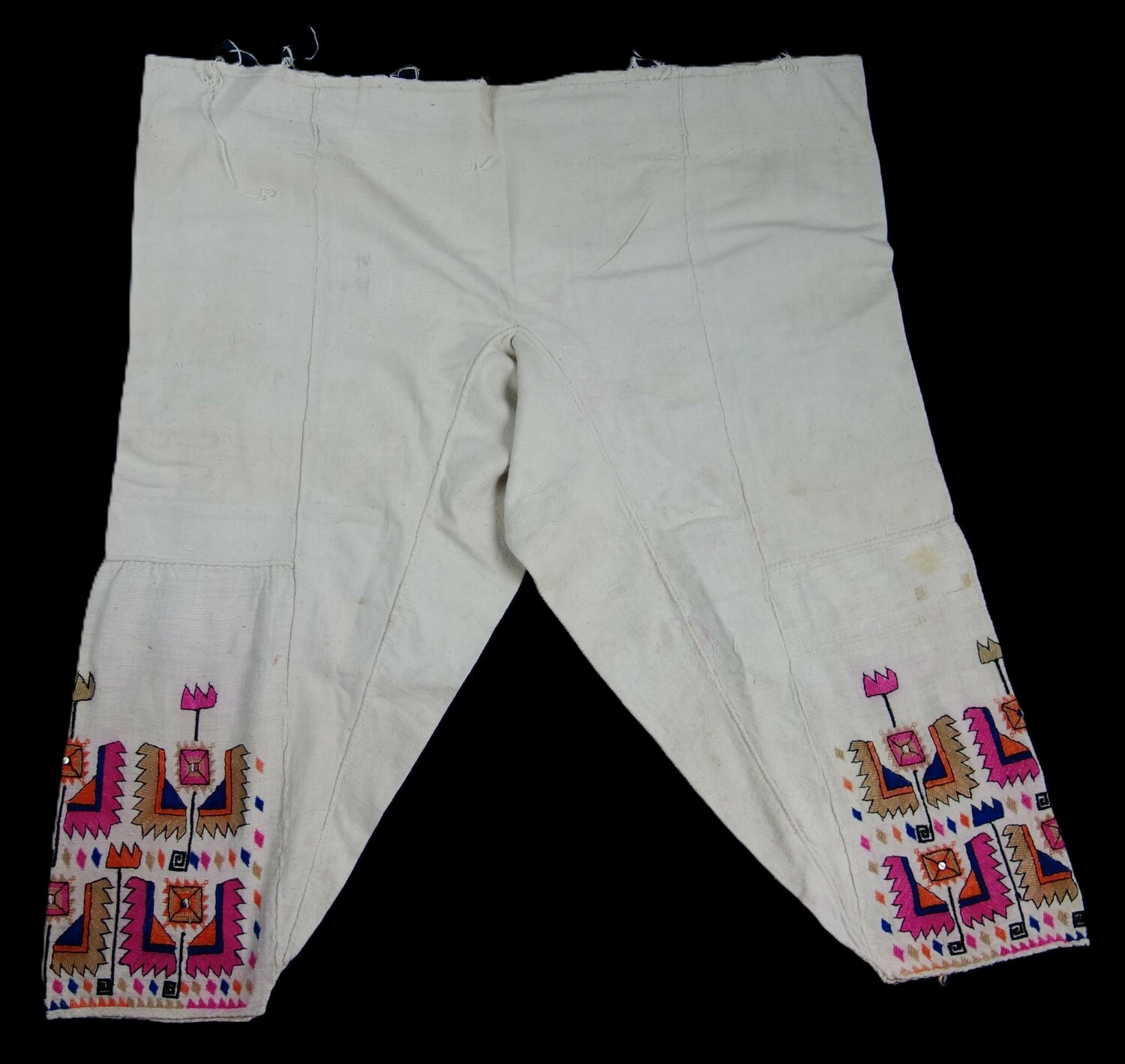 Fig. 5. A pair of embroidered under trousers for a Yörük woman, mid-20th century (TRC 2026.1524).
Another essential garment for many women was a decorative apron that covered mainly the front of the skirt section of a dress, but there are also paired forms that covered the front and back of a dress. These aprons come in a wide variety of forms and are often heavily decorated with woven and/or embroidered forms as well as tassels and fringing.
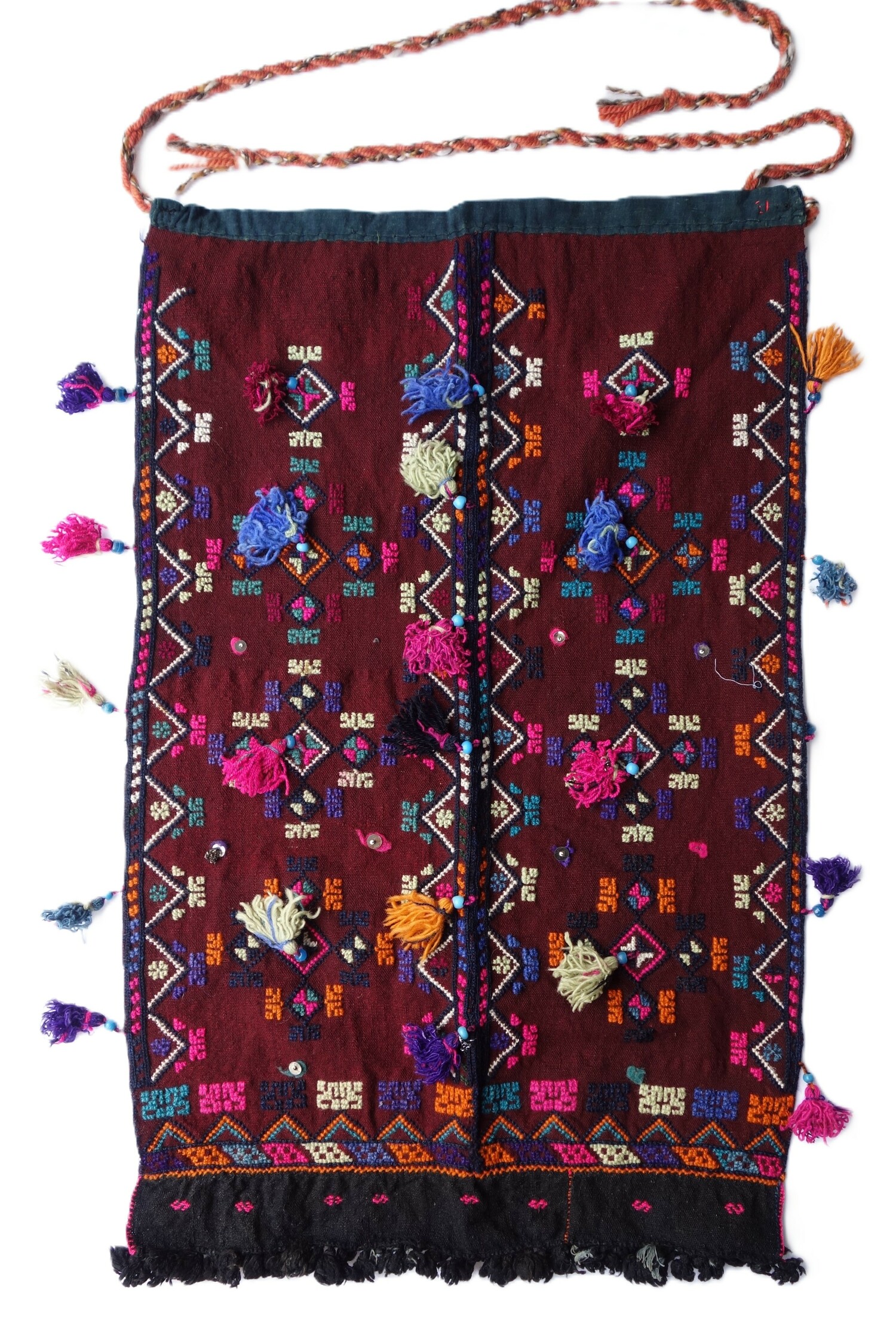 Fig. 6. An embroidered apron from Central Türkiye (TRC 2026.1534).
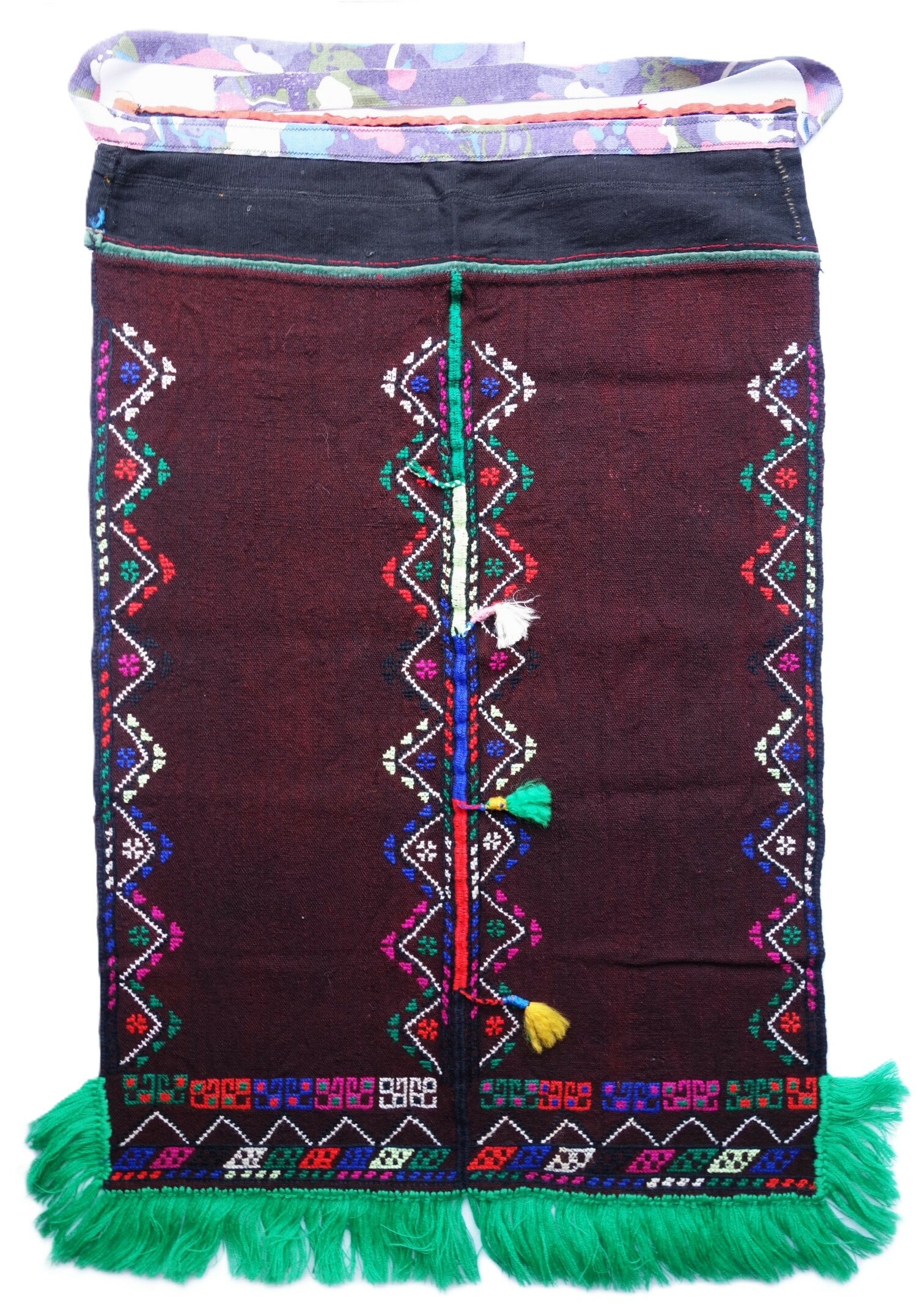 Fig. 7. A Marmara apron decorated with embroidery and tassels (TRC 2026.1551).
Outdoor urban clothing (Çarşaf, ferace, bürgü)
An intriguing, Ottoman urban garment is the Çarşaf, which is basically a long skirt with an attached torso and head covering in the same material. This was generally worn when by urban women when in public places.
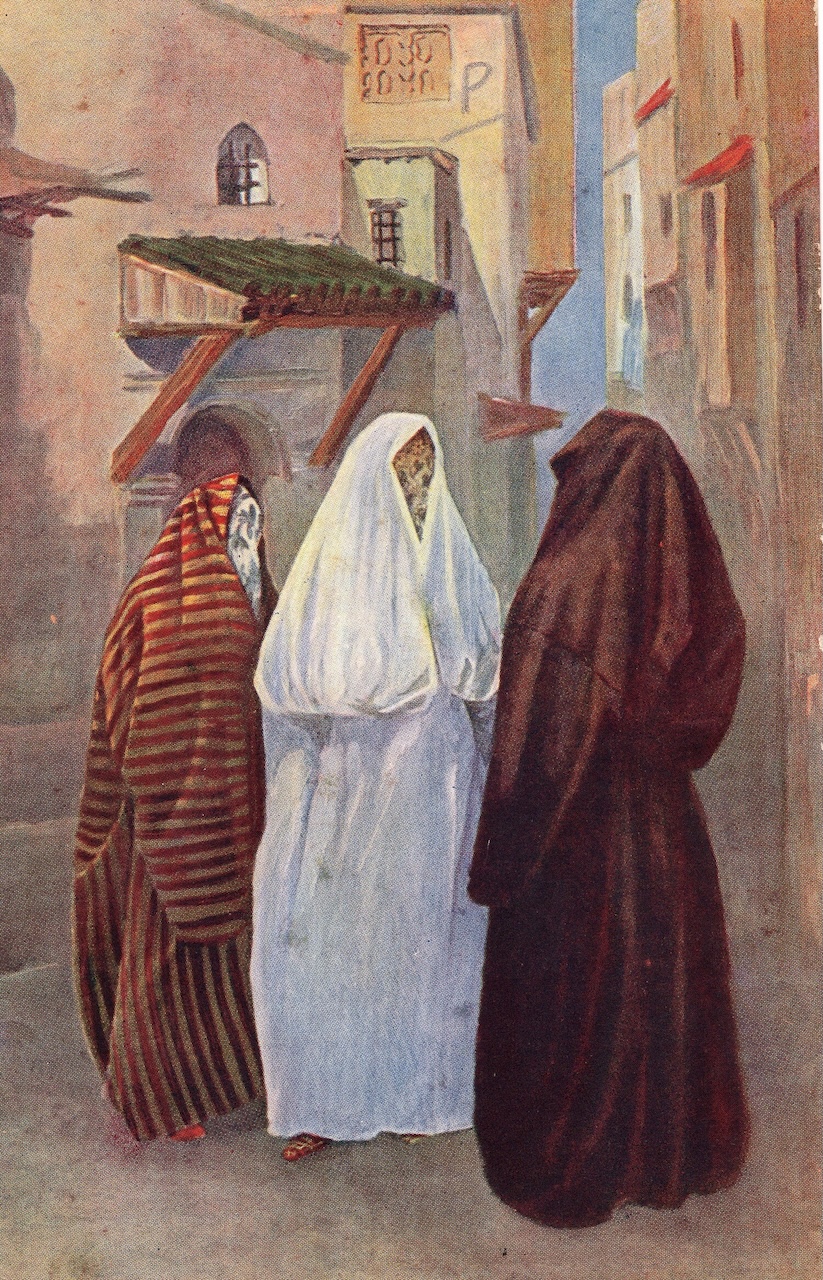 Fig. 8. Postcard of three women wearing a carsaf, Türkiye, early 20th century (TRC 2017.2328 ).
The Criel examples now in the TRC Collection date to about 1900 and are made of silk cloth in various colour combinations
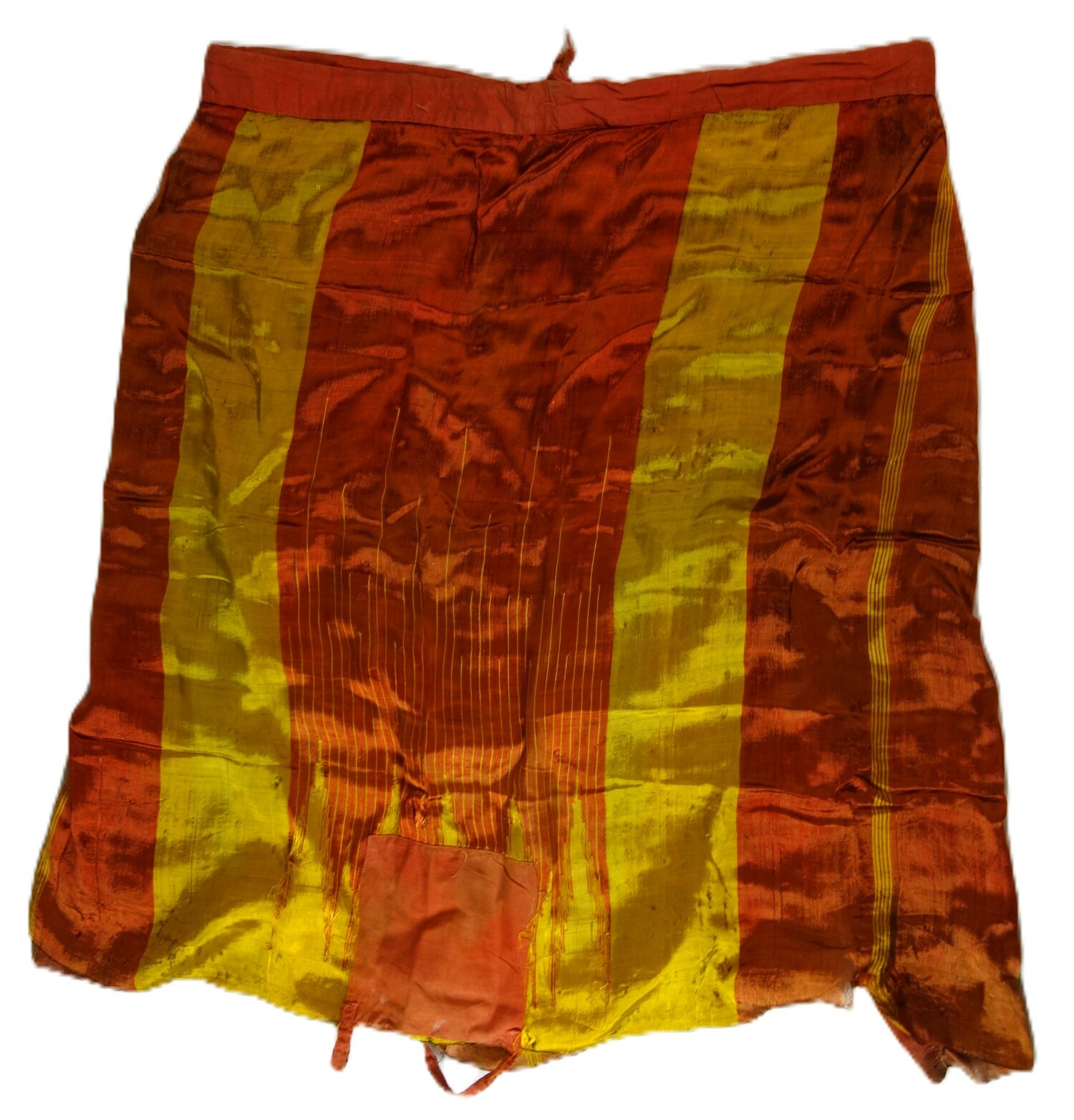 Fig. 8. An example of a carsaf from Türkiye, early 20th century (TRC 2026.1378).
Turkish dance costumes
Jean-Marie Criel and his partner also ran a dance school in Antwerp that specialised in Turkish folk dance and their programme included a variety of forms with specific costumes for men and women.. These costumes are now looking for a new home! If you are involved with a Turkish dance groups and interested in having these costumes can you please contact me at Dit e-mailadres wordt beveiligd tegen spambots. JavaScript dient ingeschakeld te zijn om het te bekijken.