• F2
  • F4
  • F1
  • F3

(Gillian Vogelsang, 13 September 2026) We have just had the second Open Monumenten Dagen (OMD) day (Sunday, 13 September), which was from 10.00 until 17.00 and we are all very, very tired! I am glad that the OMD is only once a year, but it is well worth it for getting people interested in what the TRC is doing and why.

Yesterday we had 111 visitors and today 214 people came to see Boerhaavelaan 6 (B6), giving a total of 325 over the weekend. Again there were people who live on the street or nearby, who were simply curious about the building and the family who had lived there for over 100 years. Many people came for the architectural history of the building, while others came for the textiles and to see what the TRC is and is doing.

There were five TRC volunteers present and we all had a chance to talk with visitors, answer questions, and help with the shop, so plenty of opportunities to tell everyone about what we are doing and why. In addition we were able to talk with teachers from here in Leiden, people from Leiden Council, as well as others working with local commercial groups. In other words, a great opportunity for people to see the TRC in action and its potential as a local and international centre for textile and dress studies.
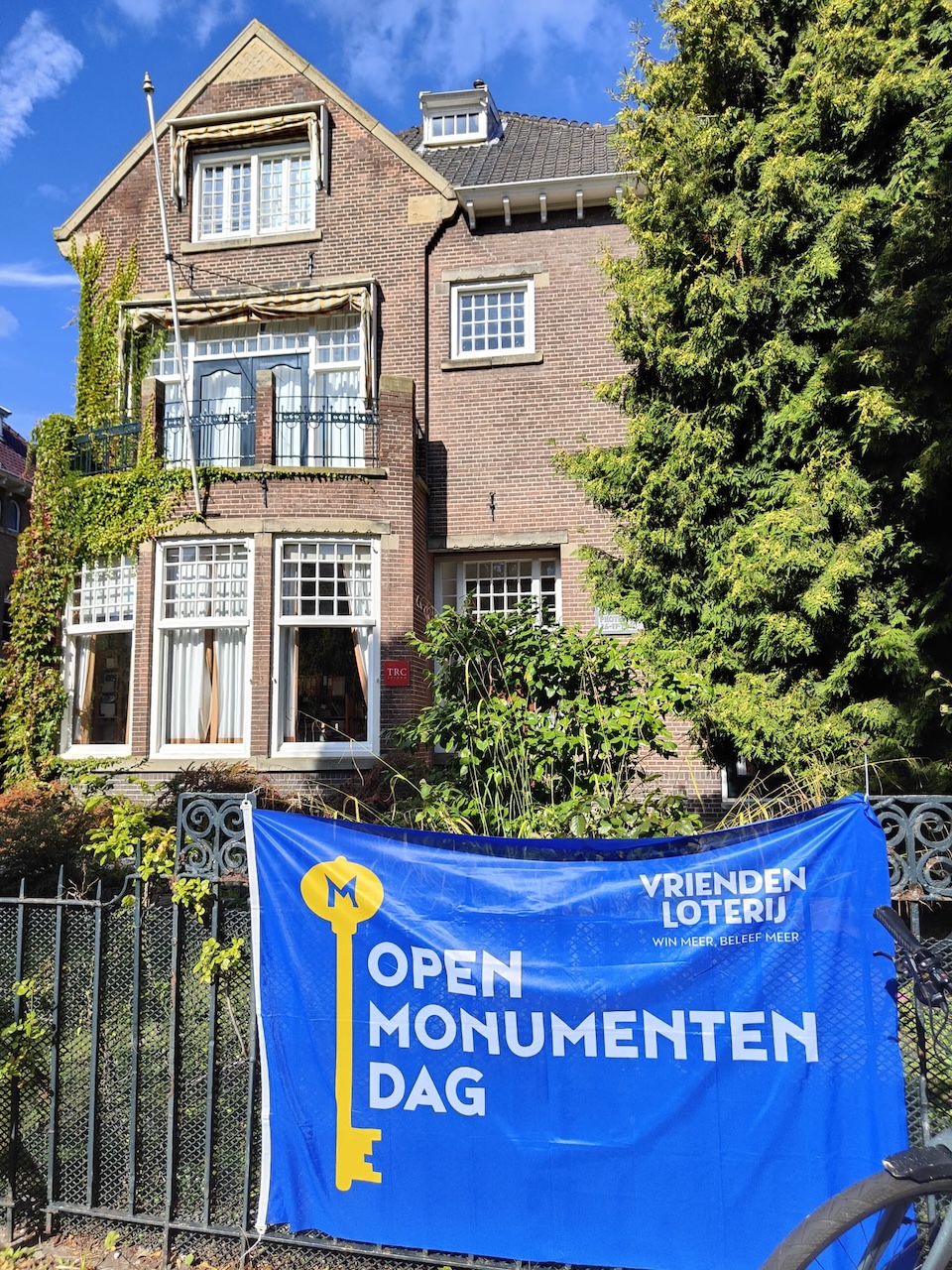
Boerhaavelaan 6Boerhaavelaan 6(Gillian Vogelsang, 12 September) We have finished our first day of the Open Monument Weekend (Open Monumentendagen), which is a national event where people can come and look at various forms of monumental buildings, from factories to cathedrals, via churches and castles. Not to mention, public and private buildings of various types and ages.

The TRC was opened last year and we agreed to be open again this year, as it is a great way for people to see the building (Boerhaavelaan 6) and to learn about the TRC and what we are doing. Today we were open from 12.00 until 17.00 and we had over 100 visitors. The first, actually came at 10.30 as the banner was in situ and the door open!

There was a constant flow of visitors from 11.30 onwards. Most people came to see the building, for example, there were some who had lived on or near the Boerhaavelaan and simply wanted to see what the house looked like on the inside. Others were interested in the architect, Jesse, who was involved in building both the house and its extension.

But there was an equal number who had heard about the TRC via the local newspapers, online (especially LinkedIn), etc., and wanted to learn more about what we are doing and why. The shop was open and many items sold to visitors, another way of helping to support the TRC! Various people took the new TRC brochure with the promise to make a donation. There were also a number of people who are now seriously thinking about becoming a volunteer and helping with the day-to-day running of the TRC.

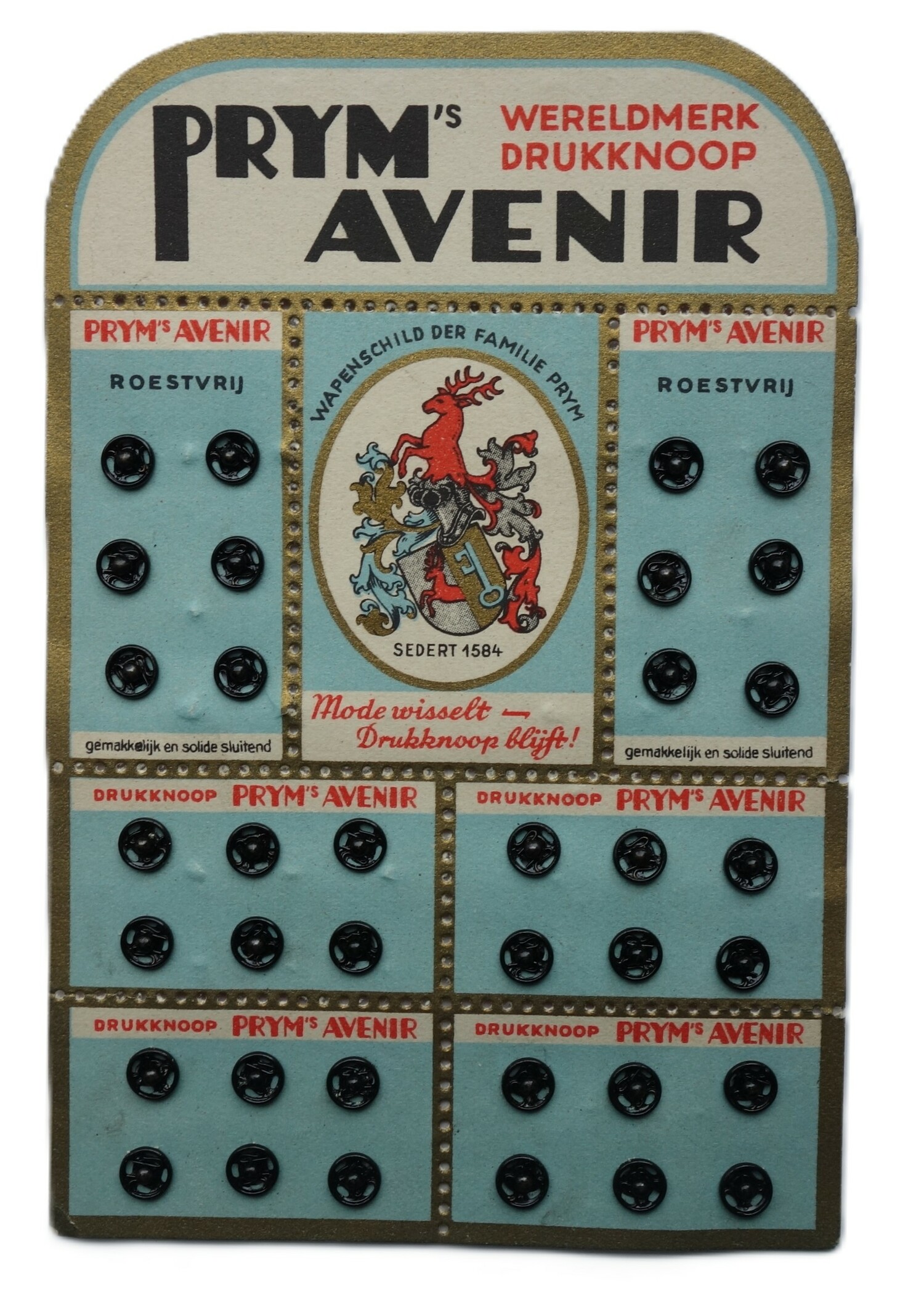
Fig. 1. Card with 6x six black press studs. There is a printed text that states: "PRYM'S AVENIR WERELDMERK DRUKKNOOP", Germany, produced for the Dutch market, early 20th century (TRC 2026.2008).Fig. 1. Card with 6x six black press studs. There is a printed text that states: "PRYM'S AVENIR WERELDMERK DRUKKNOOP", Germany, produced for the Dutch market, early 20th century (TRC 2026.2008).(Gillian Vogelsang, 9 Sept. 2026) Over the years I have become intrigued with some ‘strange’ items in the TRC collection, but I never expected to become interested in that everyday item, the press stud! Perhaps I was drawn to this subject when I realised that, in 2021, I wrote a blog about medieval hooks and eyes now in the TRC Colleciton.

But back to the press studs. I am currently cataloguing various forms of fastenings, not only the press studs, but also hooks and eyes, and buttons, that were given to the TRC by Hennie Stevan-Bathoorn and Sjoerd Stevan of the former Museum voor Naaldkunst, Winschoten, here in the Netherlands.

Press studs are often used instead of buttons to fasten various items, including soft furnishings, as well as a wide range of garments from underwear, to blouses, aprons, trousers, coats and skirts, headwear, gloves and footwear (Fig. 1). They are a hidden form of fastening, and easy to use. There are different grades of press studs, from those suitable for a child to military grade forms used for parachute harnesses, etc. Press studs are also sometimes used to decorate items. In the TRC Collection, for example, there is a child’s embroidered cap from Pakistan that is embellished with buttons, coins and press studs (compare TRC 2026.1897).

The donation includes a folder with various cards of press studs that were produced by different manufacturers. I have never really looked in detail at these small, but useful items before, but I started to wonder about the history of these items as well as looking again at the press studs in the collection, and at a range of garments that are fastened with such studs.

Well, to start with, the press studs (UK) have different names in the (English-speaking) world. In the US, for example, they are called snap fasteners, snaps, or snap buttons. Elsewhere they are sometimes called poppers, tich buttons or dome fasteners.

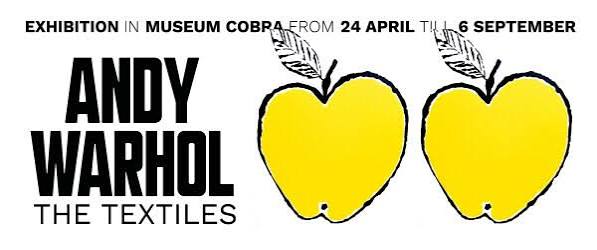
Poster for the Andy Warhol exhibition, now extended until 8 November. Museum Cobra, Sandbergplein 1, Amstelveen.Poster for the Andy Warhol exhibition, now extended until 8 November. Museum Cobra, Sandbergplein 1, Amstelveen.(Loren Mealey, 6 September 2026). Until Sunday, 8 November 2026, Museum Cobra in Amstelveen in The Netherlands presents an exhibition with the title 'Andy Warhol, The Textiles'. TRC friend and volunteer, Loren Mealey, went to see the exhibition in Amstelveen and she wrote the following blog:

When we think of Andy Warhol, we think of Campbell’s Soup Cans, Coca-Cola bottles, Marilyn Monroe and the bright, bold world of Pop Art. Before all of that, though, Warhol was illustrating something quite different: textiles.

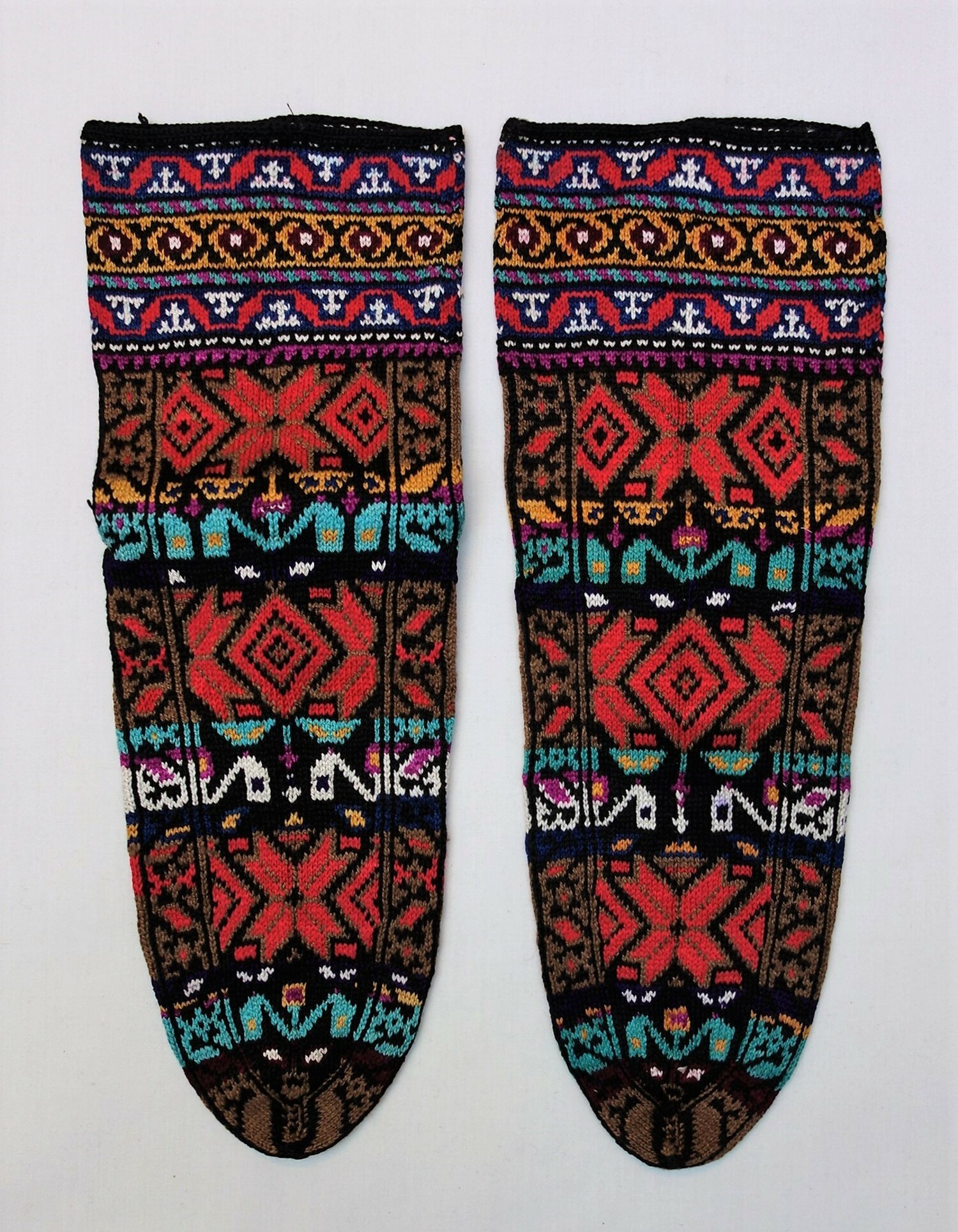
Fig. 1. Late-19th century, silk, knitted socks from Iran (TRC 2002.0078a b).Fig. 1. Late-19th century, silk, knitted socks from Iran (TRC 2002.0078a b).(Nader Sayadi, 5 August 2026) The Textile Research Centre (TRC) holds a significant and growing collection of textiles from the Islamic world. In June 2026, I had the chance to study a few examples from its Iranian Regional Dress collection, a large group of specimens that the TRC collected in Iran between 1998 and 2001.

This collection showcases some of the attire commonly worn in Iran at the turn of the millennium. Many of the garments are an adaptation of older styles, and therefore often known as living “folk” or “traditional” attire.

Other Iranian textiles and garments that are housed at the TRC, such as the donated Bayani Family Collection, include garments and accessories from the mid-nineteenth to the early twentieth century (Fig. 1).

While a few museums have collected nineteenth-century textiles and garments, there has generally been little interest in acquiring, studying, and interpreting recently made textiles and attire in “folk” style. As a result, such textiles are not easily accessible to researchers outside of Iran.

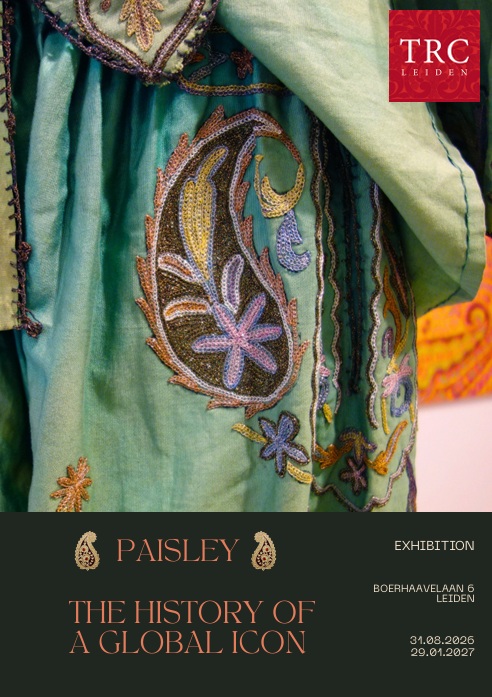
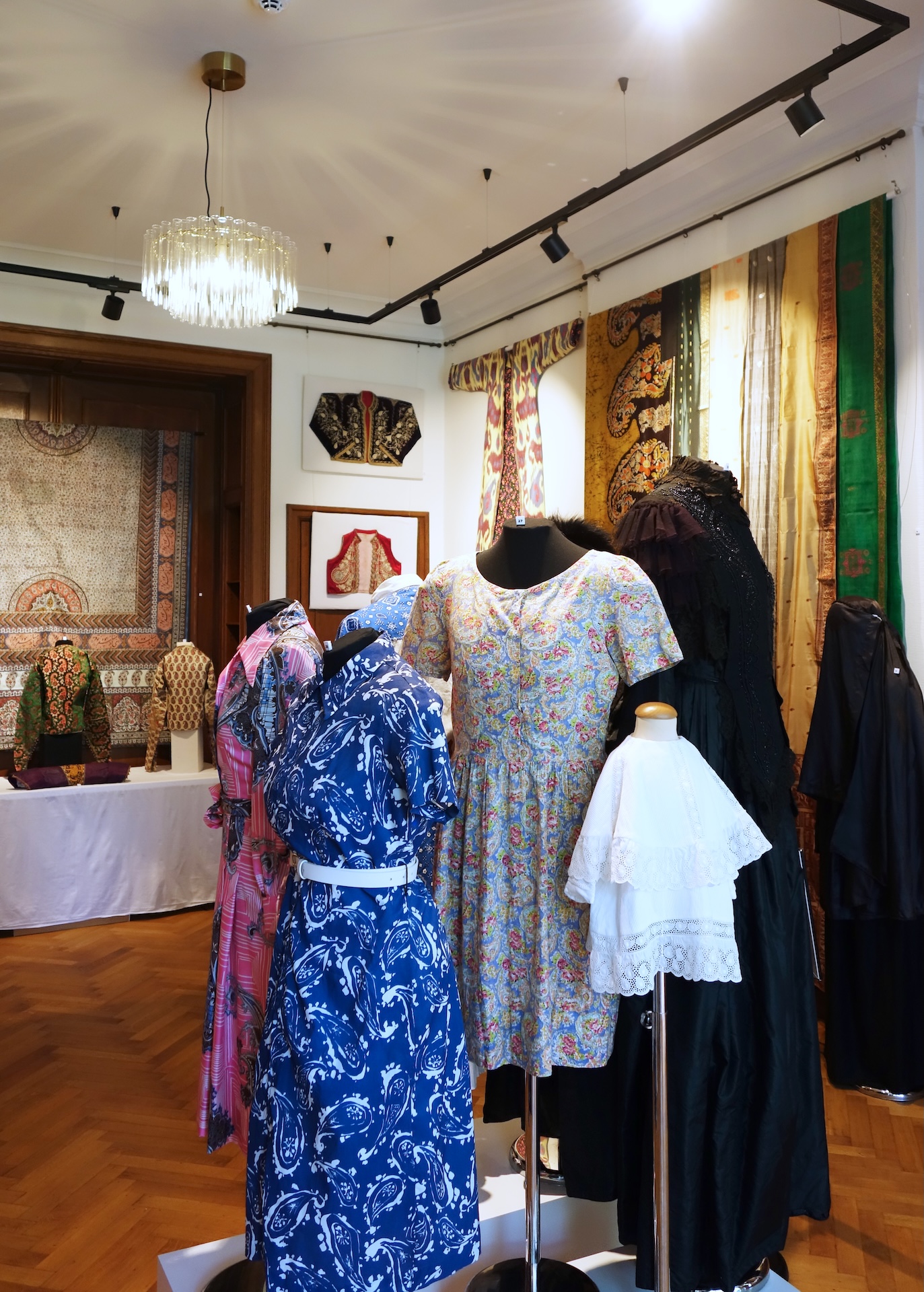
On 31 August, the TRC opened its doors for a new exhibition: Paisley: The History of a Global Icon (by the curator, Augusta de Gunzbourg)

The new Paisley exhibition at the TRC. Photograph by the curator, Augusta de Gunzbourg.The new Paisley exhibition at the TRC. Photograph by the curator, Augusta de Gunzbourg.We all know the motif, that cone shape that is curved at the top, which is found on Kashmir shawls, men’s ties, 1970’s hippie prints, or even on cowboy bandanas. Paisley is everywhere !

It is so well-known that it is generally accepted as just being one of those patterns that have always been there, but we rarely think think about its origins and why it is so popular all over the world.

The TRC exhibition is a re-edited, expanded version of one of its past, and online exhibitions (interrupted by the COVID-pandemic) about the famous Paisley motif, and this time mounted in the TRC's new premises along the Boerhaavelaan (No.6) in Leiden.

The exhibition explores the history of the Paisley motif, its ancient origins and its development to the present day. It also looks at how it is currently used for a wide variety of textiles and garments all over the globe.

Click on the illustration to open the brochure.Click on the illustration to open the brochure.The TRC has made a new brochure about its background, its vision, and its intentions for the future. The brochure is especially aimed at European companies and individuals that want to support the TRC. The brochure also lists the countries where the organisation 'GivingEurope' can help the potential sponsors with information about attractive tax benefits.

These countries include Belgium, France, Germany, Great Britain, Italy, Luxembourg, Portugal, Spain, Switzerland. The brochure also gives information about sponsors from the. USA, who can direct their donations via Myrad USA, which will organise the tax benefits. Potential sponsors from The Netherlands can address the Cultuurfonds.

Joost Kolkman and Ray Raymakers produced a lovely brochure about the TRC, but also about the importance and attraction of textiles. The brochure can be downloaded here. A printed version is also available, and can be obtained from the TRC.

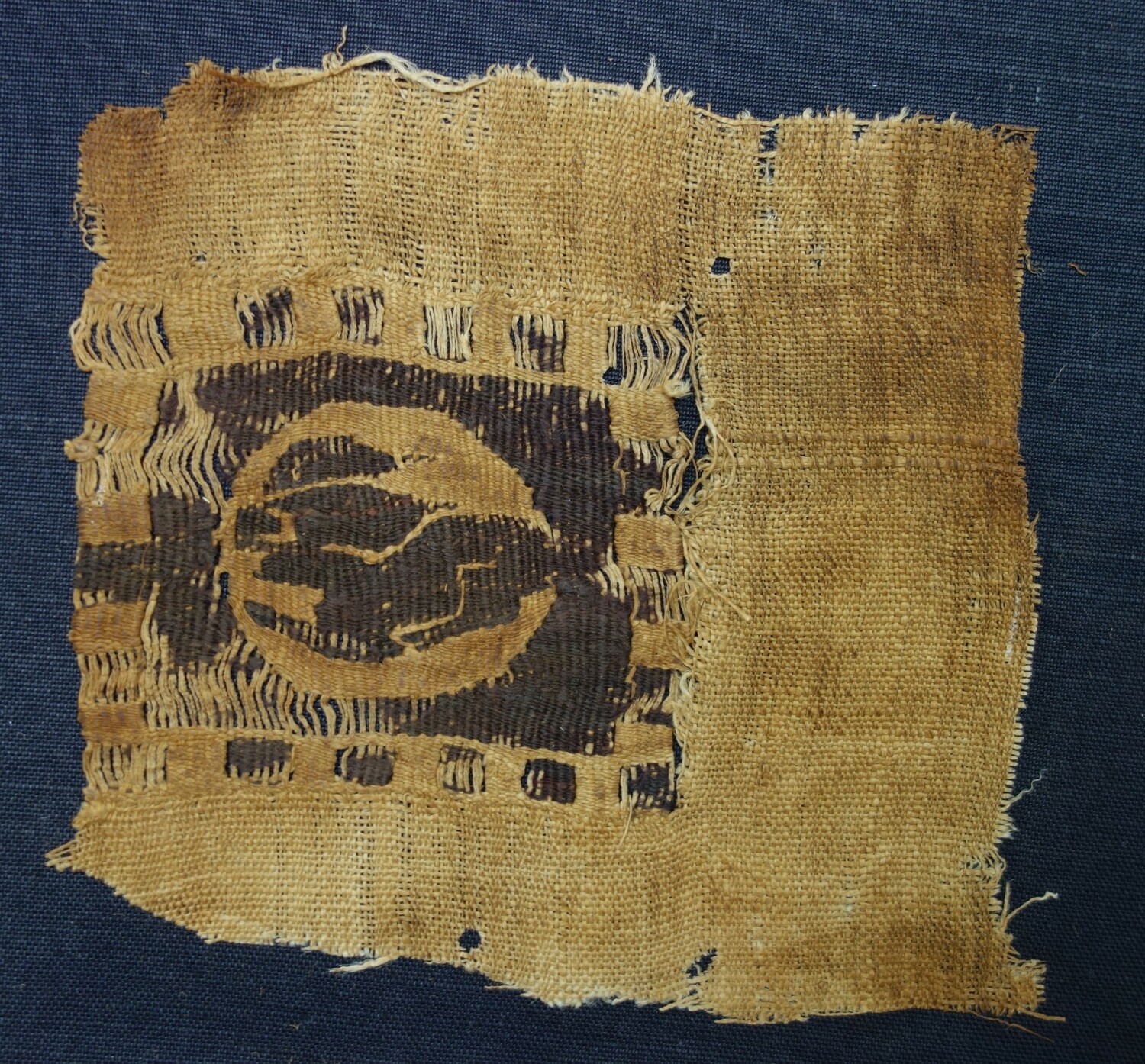
Koptisch weefsel uit Egypte, ca. 4de eeuw na Chr. (TRC 2025.0012), geschonken door Titia Huisman.Koptisch weefsel uit Egypte, ca. 4de eeuw na Chr. (TRC 2025.0012), geschonken door Titia Huisman.Bent u een liefhebber van textiel? Heeft u het TRC bezocht en ervan genoten? Wilt u de toekomst van onderzoek en onderwijs op het gebied van textiel en kleding steunen, zowel hier in Nederland als daarbuiten?

Overweeg dan eens om de Stichting Textile Research Centre (TRC Leiden) op te nemen in uw testament. Wij zijn een Culturele ANBI; dit betekent dat schenkingen vanuit Nederland zijn vrijgesteld van erfbelasting, waardoor uw volledige bijdrage ten goede komt aan het TRC!

Let op: een handgeschreven document volstaat hiervoor niet; een dergelijke schenking in een testament moet door een notaris worden opgesteld. U heeft hiervoor de volgende gegevens nodig: Stichting Textile Research Centre, Boerhaavelaan 6, 2334 EN Leiden, Nederland, ingeschreven bij de Kamer van Koophandel onder nummer 41168554. Onze notaris is TeekensKarstens in Leiden.

Wij zijn al in diverse testamenten opgenomen voor de schenking van objecten, maar financiële steun is minstens zo belangrijk om ervoor te zorgen dat onze vele activiteiten kunnen worden gecontinueerd! Het overwegen waard!

Voor meer informatie kunt u gerust contact met mij opnemen: Dr. Gillian Vogelsang-Eastwood via Dit e-mailadres wordt beveiligd tegen spambots. JavaScript dient ingeschakeld te zijn om het te bekijken..

Subcategorieën

Zoek in TRC website

Contact

Boerhaavelaan 6
2334 EN Leiden.
Tel. +31 (0)71 5134144 (kantooruren)  
office@trcleiden.org

Het TRC is elke dag geopend tussen 10.00 en 15.00 uur.

facebook 2015 logo detail


instagram vernieuwt uiterlijk en logo


Bankrekening

NL39 INGB 0002 9823 59, t.a.v. Stichting Textile Research Centre.

Financiële giften

Het TRC is afhankelijk van project-financiering en privé-donaties. Al ons werk wordt verricht door vrijwilligers. Ter ondersteuning van de vele activiteiten van het TRC vragen wij U daarom om financiële steun:

Giften kunt U overmaken op bankrekeningnummer (IBAN) NL39 INGB 000 298 2359, t.n.v. Stichting Textile Research Centre. BIC code is: INGBNL2A

U kunt ook, heel simpel, indien u een iDEAL app heeft, de iDEAL-knop hieronder gebruiken en door een bepaald bedrag in te vullen: 


Omdat het TRC officieel is erkend als een Algemeen Nut Beogende Instelling (ANBI), en daarbij ook nog als een Culturele Instelling, zijn particuliere giften voor 125% aftrekbaar van de belasting, en voor bedrijven zelfs voor 150%. Voor meer informatie, klik hier.